Ashtanga vs Hatha vs Vinyasa
Ashtanga vs Hatha vs Vinyasa — a clear guide to yoga styles for beginners. Pick the practice that fits you and start your yoga journey with confidence.
- Understanding Yoga Styles
- The Essence of Ashtanga Yoga
- The Roots of Hatha Yoga
- The Dynamics of Vinyasa Flow Yoga
- The physical demands of Ashtanga, Hatha, and Vinyasa Yoga
- Choosing the Right Style
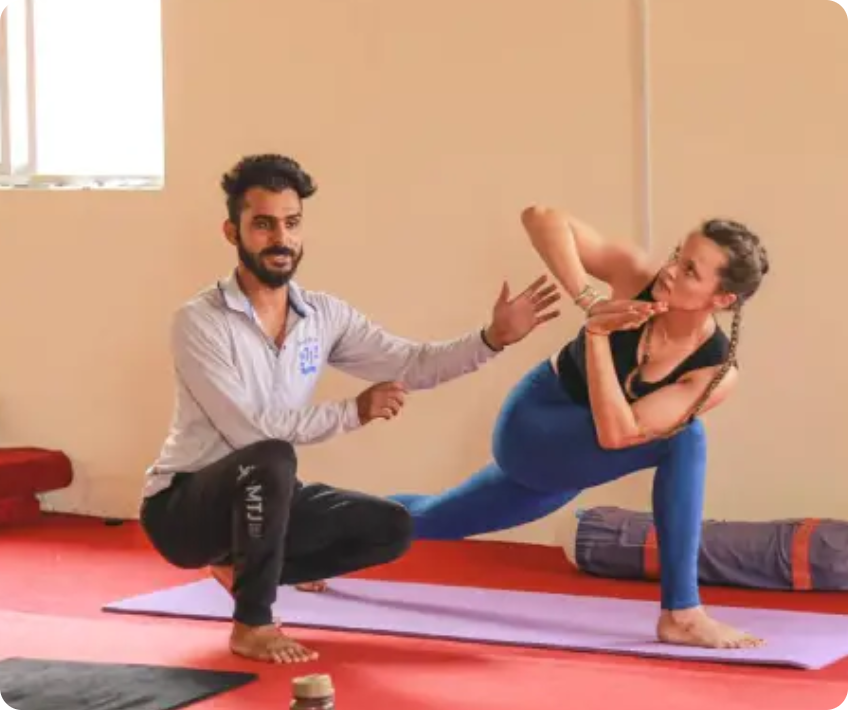
- Teaching Yoga Styles at Rishikesh Yog Nirvana
Understanding Yoga Styles
Have you ever stepped onto a yoga mat and felt a sense of calm wash over you? Or maybe you’ve wanted to try yoga but felt swamped by all the styles and terms. Fear not, fellow yogis! This blog is your one-stop shop for three popular yoga styles: Ashtanga, Hatha, and Vinyasa Flow. We explain how they differ.
The Essence of Ashtanga Yoga
Ashtanga
Rooted in Patanjali’s Eight Limbs of Yoga, Ashtanga stresses discipline, self-study, and building inner heat. Think vigorous Vinyasa sequences practiced in a set order, building strength and flexibility. This dynamic practice builds internal heat, strength, and flexibility.
It is made up of a fixed series of postures linked by vinyasas (flowing transitions). Most classes use the same format. This keeps things familiar and keeps the focus on form. It is the ultimate in intensity. It needs exact movements in time with the breath, so it is perfect for people who want a hard workout.
The Roots of Hatha Yoga
Hatha
Unlike Ashtanga’s strict flow, Hatha Yoga welcomes flexibility. Its roots lie in the physical yoga tradition itself. That tradition blends breathing techniques, meditation, and postures into one complete practice. In a Hatha class, familiar Sun Salutations might be mixed with restorative poses. This lets you explore both ends of the spectrum.
The measured pace lets you look more deeply at form and alignment. Meditation builds inner calm. Hatha’s well-rounded approach makes it ideal for beginners and anyone who wants a slower pace.
The Dynamics of Vinyasa Flow Yoga
Vinyasa Flow
Vinyasa Flow is a creative, dynamic style with a modern feel. The breath shapes the movement and creates a shifting sequence. Classes are often unstructured. Teachers can link postures into a flowing dance led by the group's energy. Those looking for a dynamic, tailored practice will find Vinyasa especially appealing. It places strong emphasis on improvisation and play. This lets practitioners find their flow.
Vinyasa Flow is a dynamic and creative style, often described as a moving meditation. Sequences flow easily and link breath with movement, almost like a dance.
The physical demands of Ashtanga, Hatha, and Vinyasa Yoga
A. Physical Intensity and Pace
Ashtanga: a hard, demanding form of yoga that calls for flexibility and strength. Set sequences move at a steady speed.
Hatha: Suits different fitness levels and is moderate in intensity. Slower pace, with a focus on alignment and breath awareness.
Vinyasa Flow: varies in intensity. It can be fluid and gentle or dynamic and athletic. Transitions flow, and the breath and sequence design set the pace.
B. Breath and Movement
Ashtanga: Vinyasas (flowing transitions) are strongly linked to breath. This creates a rhythmic pattern. Ujjayi breath (victorious breath) is often used to build internal heat.
Hatha: Focus on deep, careful breathing that matches each inhale and exhale to certain movements. Breath awareness is used for inner focus and relaxation.
Vinyasa Flow: Breath is the guide. It directs transitions and keeps the flow going. The order of the steps may call for different breathing techniques.
C. Pose Variations and Sequencing
Ashtanga: A set sequence of postures (vinyasa krama), done in the same order with very few changes. Focus on perfecting alignment and internal heat.
Hatha: A series of positions with choices for different levels of difficulty. Sequences are tailored to specific themes or body areas.
Vinyasa Flow: Original sequences built around specific poses. They allow for changes and improvisation to suit the needs of both the teacher and the students.
D. Meditation and Mindfulness:
Ashtanga: Meditation is built into the practice through Drishti (gaze control) and breath awareness.
Hatha: Guided meditation is often practiced at the end of class. It focuses on inner peace and self-observation.
Vinyasa Flow: Mindful movement runs through the whole practice. It builds awareness of the present moment in poses and transitions.
Choosing the Right Style
A. For Beginners:
Hatha Yoga - Gentle pace, emphasis on alignment, diverse poses with modifications - is the most beginner-friendly.
Starting Tips
- Deepen your Ashtanga practice by mastering the set series. Try advanced variations and go into deeper meditation practices.
- Advanced Hatha: Explore pranayama (breath control). Fine-tune alignment in hard postures and practice longer meditations.
- Try creative sequences, arm balances and inversions, and advanced breathing techniques. These improve your Vinyasa flow.
B. For Advanced Practitioners:
- Deepen your Ashtanga practice by mastering the set series. Try advanced variations and explore deeper meditation practices.
- Advanced Hatha: Explore pranayama (breath control). Fine-tune alignment in hard postures and practice longer meditations.
- Try creative sequences, arm balances and inversions, and advanced breathing techniques. These improve your Vinyasa flow.
Teaching Yoga Styles at Rishikesh Yog Nirvana
Rishikesh Yog Nirvana’s Unique Blend
- Each style is specialized, but the school encourages cross-pollination. Trainees gain insights from other approaches.
- Renowned Yogis with Years of Experience: Renowned yogis with years of experience guide trainees. This creates a rich learning environment.
- Whole-person approach: Besides postures, training explores yogic philosophy, lifestyle practices, and Ayurveda. This builds a complete understanding.
- Differentiated Instruction: Each level of practitioner needs the right challenges and pace of learning. That is why Rishikesh Yog Nirvana offers specialized courses for beginners, intermediates, and advanced practitioners.
- Trainees learn to offer adaptations and variations for a range of physical abilities and limits. This makes yoga open to everyone.
- Student-focused instruction gives each student personal attention and feedback. It builds a safe space where they feel free to choose their course of study.
Yoga in Modern Times
Let us look at how these forms appeal to Westerners. We will also see how yoga will keep growing and changing in the future.
Western Adaptations
Ashtanga: The rigid Mysore method becomes softer, with beginner classes and room for individual differences. The focus on discipline appeals to people who want to work out hard and get hot inside.
Hatha: Beginners and people seeking stress relief enjoy its gentle nature and flexible pace. Modern Hatha meets many needs by adding modern influences like Pilates and dance.
Vinyasa Flow: Its fluidity and creative freedom reflect the energy of modern life. Social media fuels its popularity. It offers countless variations and a sense of community.
Future Trends and Evolution
Integration of Technology: Virtual reality and interactive studios promise personal experiences. They also promise access that is not limited by location.
Emphasis on Mental Health: Yoga can improve mental health and reduce stress. This may become its main draw for people who want a whole-person approach to health.
Fusion and Innovation: Yoga could mix in techniques from other disciplines, such as dance or martial arts. This could lead to innovative new forms of yoga.

Train with Us in Rishikesh
Enjoyed “Yoga Styles: Understanding the Differences Between Ashtanga, Hatha, and Vinyasa Flow Yoga”? Learn it in person with our teachers at our school in Tapovan, Rishikesh. Courses start on the 1st of every month.