Yoga Post Pregnancy: Poses for New Moms
Discover effective postnatal yoga poses in our ultimate guide for post-pregnancy fitness. Rejuvenate your body and mind with yoga post pregnancy.

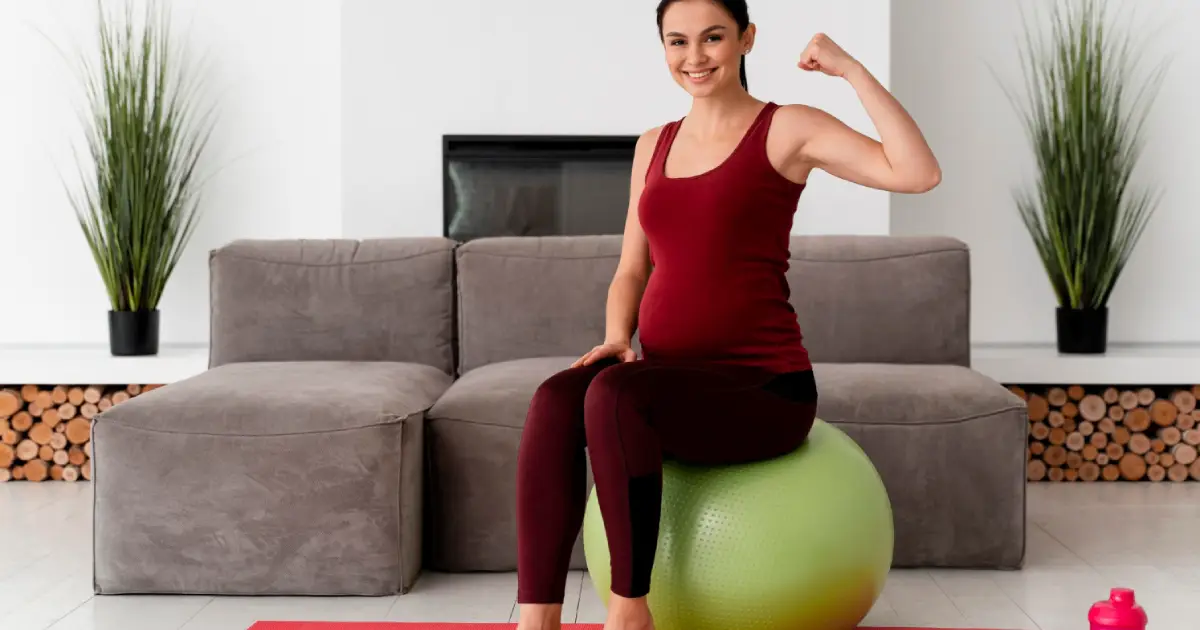
New moms, take a deep breath and hear us out. Congratulations! You've brought new life into this world. Now that your little one is here, you're taking care of them around the clock. But are you taking care of yourself too?
- Introduction
- Physical Benefits
- Emotional and Mental Benefits
- Yoga Poses During Pregnancy
- Breathing Practices During Pregnancy
- Postnatal Yoga Poses
- Breathing Practices for Postnatal Recovery
- Safety Tips and Precautions for Postnatal Yoga
- Practicing Yoga with Your Baby
- Why Rishikesh for Yoga and Teacher Training?
- How to Select a Rishikesh Prenatal and Postnatal Yoga Teacher Training
- Takeaway
Postnatal yoga can be an amazing way to do just that!
It can help with:
- - Regaining strength.
- - Improving flexibility.
- - Reducing stress.
- - Releasing tension.
- - Promoting relaxation.
Yoga post-pregnancy is often called postnatal yoga. It is a special form of yoga designed to support mothers in their postpartum journey. This practice combines gentle yoga poses, breathing exercises, and relaxation techniques. Together, they help new mothers recover in body and mind after childbirth. The postnatal phase is a crucial time for both physical and mental healing. Taking up yoga during this period can greatly add to the new mother's overall well-being. This guide explains the benefits and techniques of postnatal yoga. It offers a path for new mothers like you to recover well and regain physical and mental balance.
Physical Benefits
- Alleviation of Back Pain: Pregnancy often brings discomfort to the lower back. Yoga provides relief through gentle stretching and strengthening of the back muscles.
- Improved Posture: As the body changes during pregnancy, maintaining good posture becomes vital. Yoga helps you build and keep a proper posture. This reduces strain on the spine.
- Reduced Bloating or Swelling: Swelling and bloating are common during pregnancy. Certain yoga poses can ease them by improving circulation and lymphatic drainage.
Emotional and Mental Benefits
- Better Sleep Quality: Sleep disturbances are frequent during pregnancy. Yoga's relaxation techniques and deep breathing exercises contribute to better sleep quality.
- Higher Energy Levels: Pregnancy can be physically taxing. Yoga helps boost energy, keeping expectant mothers more active and refreshed.
- Stress Reduction: Mindfulness and controlled breathing in yoga lower stress levels. They also improve emotional well-being.
- Preparation for Mental Postpartum Challenges: Yoga prepares mothers mentally. It readies them for the emotional changes that often come with the postpartum phase.
- Mood Stabilization: Yoga encourages the release of endorphins, providing emotional stability and a sense of well-being.
Preparing for Labor
- Training Muscles for Childbirth: Yoga involves exercises that strengthen the muscles required during labor. Enhanced muscle tone can make the birthing process more manageable.
- Hastening Recovery Post Childbirth: The strength and flexibility gained through prenatal yoga can speed up postpartum recovery. This helps mothers regain their physical well-being more quickly.
Yoga Poses During Pregnancy
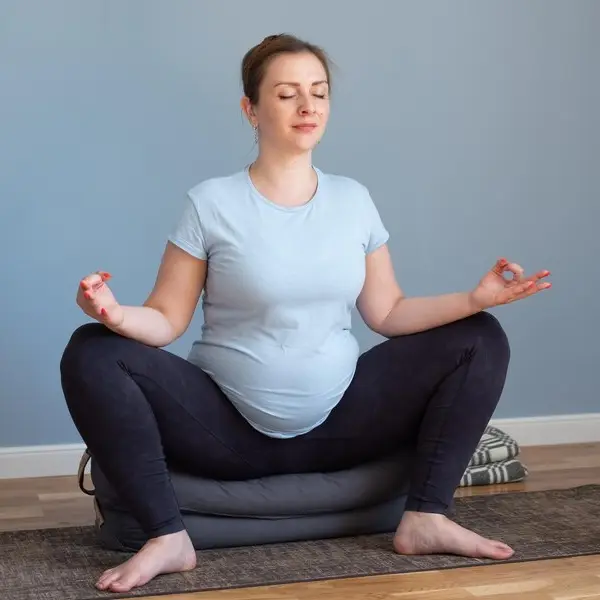
1. Garland Pose (Malasana)
Malasana, or Garland Pose, is a deep squat with your feet close together. Your hands rest in a prayer position at your chest.
- Stand with your feet hip-width apart.
- Bend your knees and lower your hips down towards the ground.
- Bring your palms together at your chest in a prayer position.
- Press your elbows against your inner thighs to gently open your hips.
- Hold the pose, breathe deeply, and release.
Benefits: This pose helps open the hips, stretches the lower back, and strengthens the pelvic floor muscles. It can also relieve back pain and aid in labor preparation.
How to do it:
Precautions: Do you have knee issues or find it hard to balance? Then use a cushion or yoga block under your heels for support.
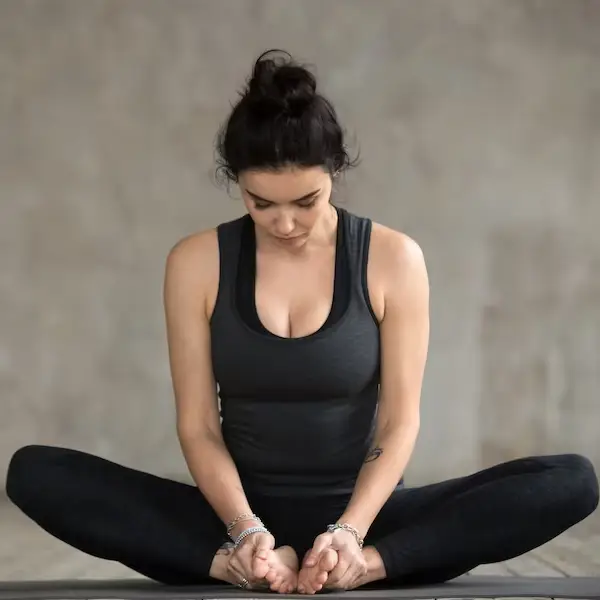
2. Bound Angle Pose (Baddha Konasana)
Baddha Konasana, or Bound Angle Pose, means sitting with the soles of your feet together. Your knees drop to the sides.
Benefits: This pose stretches the inner thighs, groin, and hip muscles. It helps relieve discomfort from tight hips and can prepare the pelvis for childbirth.
How to do it:
- Sit with your spine straight and the soles of your feet touching each other.
- Hold your feet with your hands and gently press your knees towards the ground.
- Breathe deeply, lengthening your spine and keeping your chest open.
- Hold the pose, then release.
Precautions: Feel any discomfort or strain in your knees or hips? Use cushions or props under your knees for support.
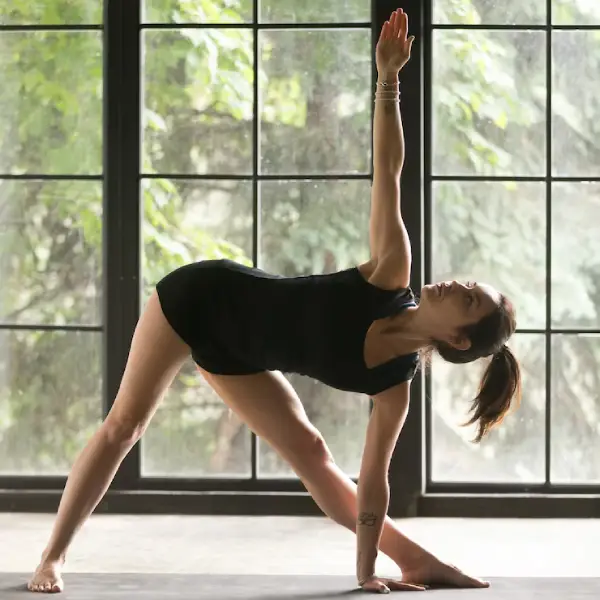
3. Triangle Pose (Trikonasana)
Trikonasana, or Triangle Pose, involves standing with your feet wide apart. You reach one hand down to the floor while extending the other arm upward.
Benefits: This pose stretches the sides of the body, improves balance, and strengthens the legs. It can ease backaches and promote better posture.
How to do it:
- Stand with your feet wide apart.
- Turn your right foot out to the side and extend your arms parallel to the ground.
- Reach your right hand down to your shin, ankle, or the floor. Extend your left arm upward at the same time.
- Keep your spine long and gaze at your left hand.
- Hold the pose, then switch sides.
Precautions: Be cautious with your balance, especially in the later stages of pregnancy. You can use a yoga block under your hand for support if needed.
Breathing Practices During Pregnancy
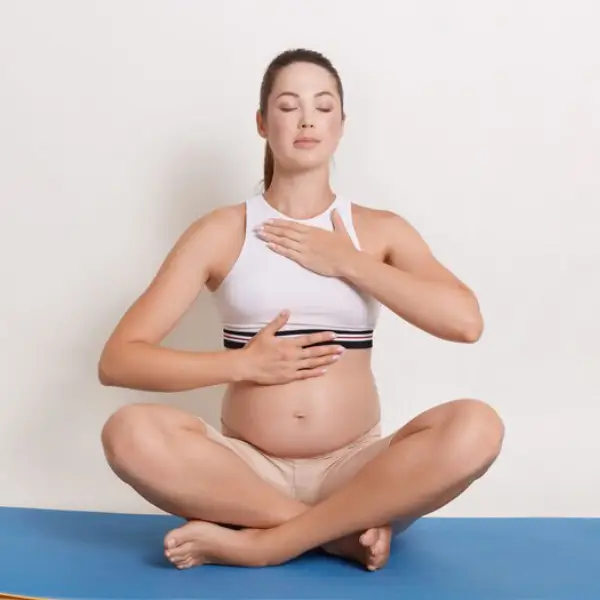
1. Three-Part Breath (Dirgha Pranayama)
Dirgha Pranayama, or Three-Part Breath, involves deep breathing into the three parts of your abdomen: lower, middle, and upper.
Benefits: This practice promotes relaxation, relieves stress, and increases oxygen intake for both you and your baby.
How to do it:
- Sit or lie down comfortably.
- Inhale deeply into your lower abdomen, then expand the middle and upper abdomen with each breath.
- Exhale fully, releasing air from the upper, middle, and lower abdomens.
- Continue this three-part breath for a few minutes, focusing on relaxation.
Precautions: Be cautious with your balance, especially in the later stages of pregnancy. You can use a yoga block under your hand for support if needed.
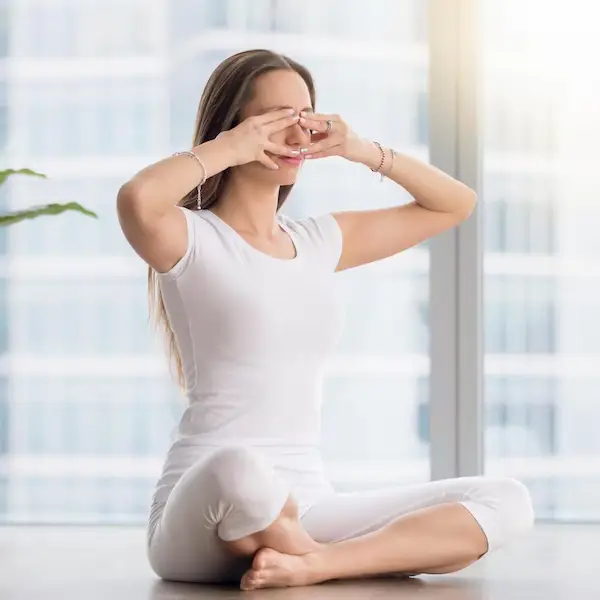
2. Bee Breath (Bhramari Pranayama)
Bhramari Pranayama, or Bee Breath, involves inhaling deeply. You then exhale while making a humming sound like a bee.
Benefits: This practice helps reduce anxiety, calm the mind, and relieve stress. It can also improve focus and concentration. You can learn more about the benefits here.
How to do it:
- Sit comfortably with your eyes closed.
- Inhale deeply through your nose.
- Exhale slowly while making a humming sound like a bee.
- Repeat this process for several breaths, focusing on the soothing vibrations.
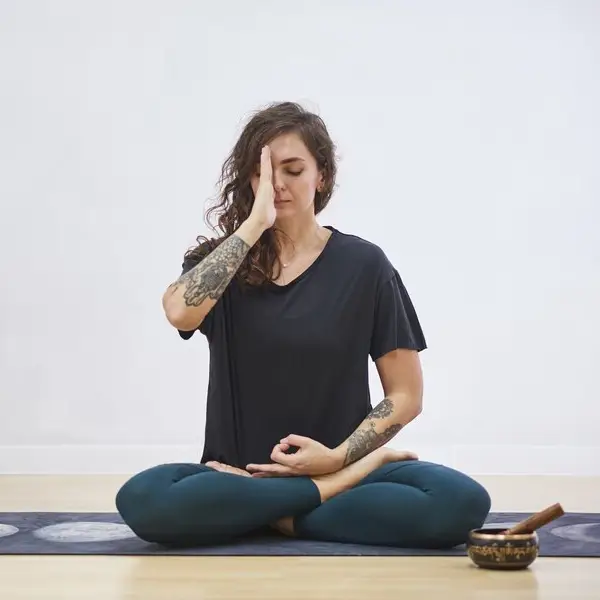
3. The Cooling Breath (Sheetali Pranayama)
Sheetali Pranayama, or The Cooling Breath, is a breath practice. You inhale through a rolled tongue (or pursed lips) to create a cooling sensation.
Benefits: This practice helps reduce body heat and calm the mind. It also eases stress or hot flashes that are common during pregnancy.
How to do it:
- Sit comfortably with your spine straight.
- Roll your tongue into a tube shape or purse your lips slightly.
- Inhale slowly and deeply through your rolled tongue or pursed lips.
- Exhale through your nose.
- Continue for several breath cycles, focusing on the cooling sensation.
Postnatal Yoga Poses
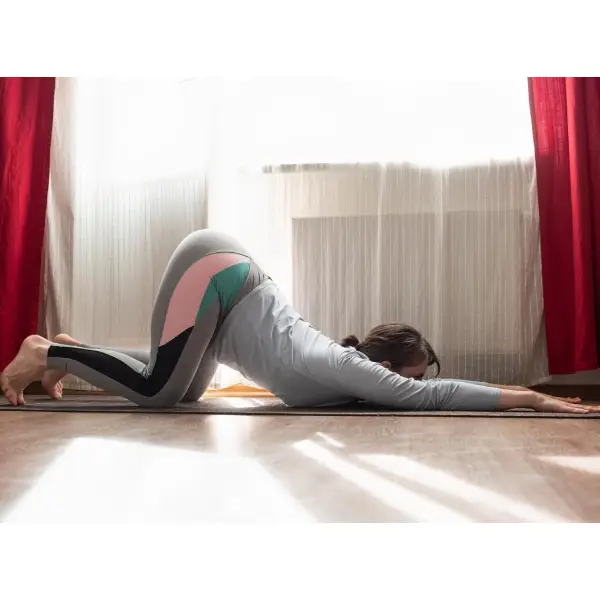
1. Extended Puppy Pose (Uttana Shishosana)
Uttana Shishosana is also known as the Extended Puppy Pose. It is a gentle forward bend that stretches the spine and shoulders. It resembles a puppy stretching forward.
Benefits: This pose helps relieve tension in the upper body, improves flexibility, and calms the mind. It's particularly useful for easing postpartum shoulder and neck tension.
How-to Guide:
- Start on your hands and knees. Align your wrists under your shoulders and your knees under your hips.
- Walk your hands forward and lower your chest toward the ground. Keep your hips above your knees.
- Extend your arms and relax your forehead on the mat.
- Hold for several breaths, feeling the stretch along your spine.
Precautions: Avoid this pose if you have any discomfort or pain in the wrists or shoulders. Make sure you maintain a gentle stretch without straining.
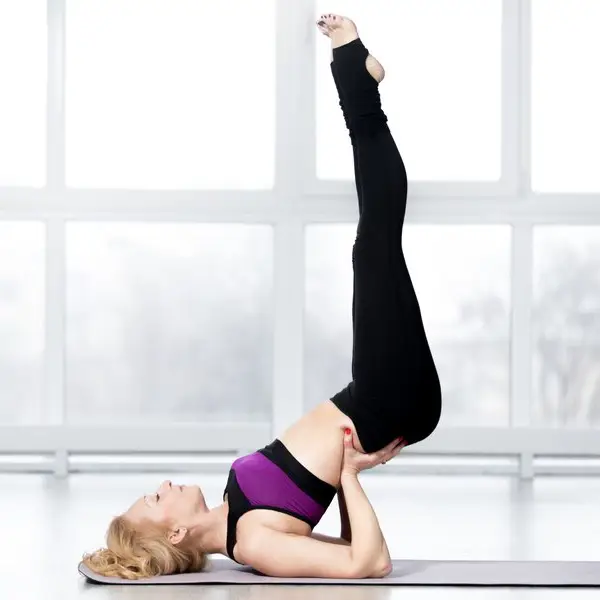
2. Legs Up the Wall (Viparita Karani)
Viparita Karani, or Legs Up the Wall pose, involves lying on your back. Your legs rest straight up against a wall.
Benefits: This restorative pose helps reduce swelling in the legs, relaxes the lower back, and promotes relaxation. It can ease fatigue and stress.
How-to Guide:
- Sit close to the wall with your side against it.
- Swing your legs up the wall while lying on your back.
- Keep your arms relaxed by your sides or on your belly.
- Breathe deeply and stay in this pose for several minutes.
Precautions: Do you have any complications or pain in your lower back or legs? If so, consult your healthcare provider before trying this pose.
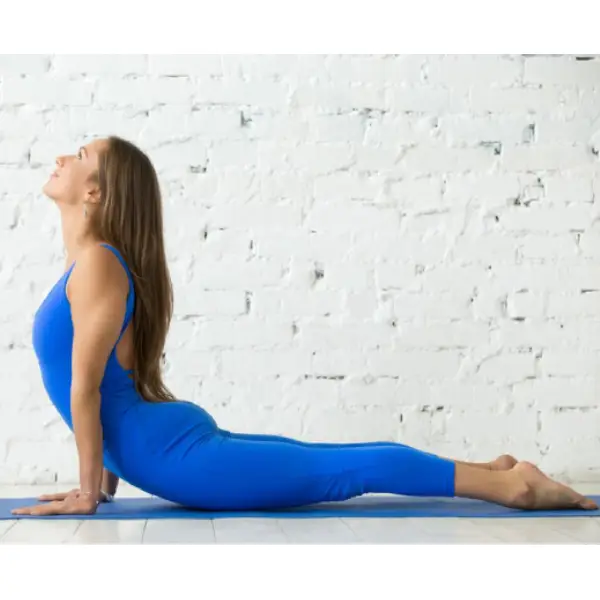
3. Cobra Pose (Bhujangasana)
Bhujangasana, or Cobra Pose, is a gentle backbend. You lift the chest while keeping the lower body grounded.
Benefits: This pose strengthens the back and abdomen muscles, improves posture, and eases back pain. It also helps with digestion.
How-to Guide:
- Lie on your stomach with your palms under your shoulders.
- Inhale and gently lift your chest off the ground, keeping your pelvis and legs grounded.
- Lengthen your neck and look forward, keeping your shoulders relaxed.
- Exhale and lower yourself back down.
Precautions: Have you had a cesarean section, or felt discomfort while doing this pose? Then avoid it or consult your healthcare provider.
Breathing Practices for Postnatal Recovery
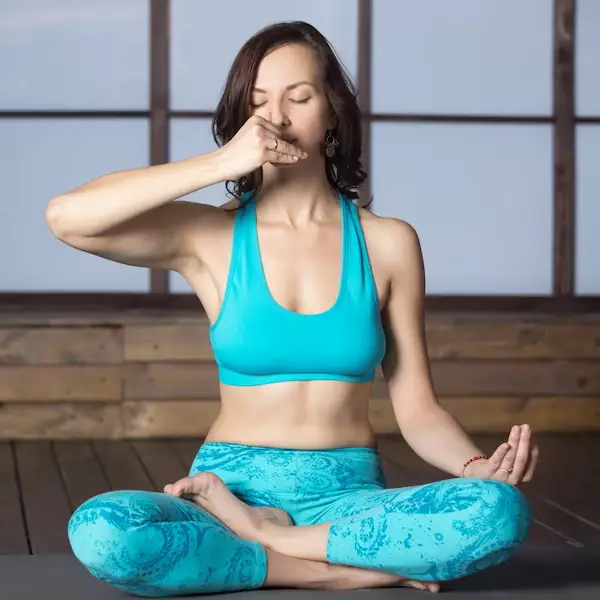
1. Alternate Nostril Breathing (Anulom Vilom)
Anulom Vilom is a yogic breathing technique. You breathe through one nostril at a time, switching between them.
Benefits: This practice calms the mind, reduces stress, and improves lung capacity. It aids relaxation and postpartum recovery.
How-to Guide:
- Sit comfortably with your spine straight.
- Close your right nostril with your thumb and inhale slowly through the left nostril.
- Close the left nostril with your ring finger, release the right nostril, and exhale through it.
- Inhale through the right nostril, close it and exhale through the left.
- Continue this pattern for several minutes.
You can read more about it here
/blog/what-is-anulom-vilom-pranayama.php
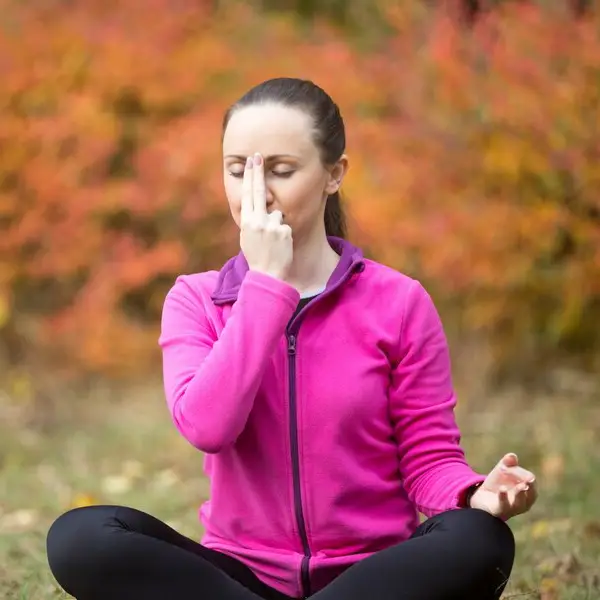
2. Alternate Nostril Breathing (Nadi Shodhana Pranayama)
Nadi Shodhana Pranayama, another form of alternate nostril breathing, helps balance the body's energy channels.
Benefits: It promotes mental clarity, reduces anxiety, and improves lung function. It's particularly useful for emotional well-being post-pregnancy.
How-to Guide:
- Sit comfortably and close your eyes.
- Use your right thumb to close your right nostril and inhale through the left.
- Close the left nostril with your ring finger, release the right, and exhale through it.
- Inhale through the right nostril, close it and exhale through the left.
- Continue for several cycles.
3. Kapalabhati Pranayama
Kapalabhati Pranayama involves forceful exhalations through the nose, followed by passive inhalations.
Benefits: This practice boosts energy, clears the mind, and strengthens abdominal muscles. It aids in postpartum recovery by increasing oxygen intake.
How-to Guide:
- Sit with your spine straight and your hands on your knees.
- Take a deep breath in. Then exhale forcefully through your nose by contracting your abdominal muscles.
- Inhale passively as your abdomen relaxes.
- Start slowly and gradually increase the speed.
Safety Tips and Precautions for Postnatal Yoga
General Safety Tips
- Listen to Your Body: The most crucial safety tip for postnatal yoga is to listen to your body. Your body has gone through big changes during pregnancy and childbirth. So it's essential to take it slow and stay self-aware. If a pose or movement doesn't feel right or causes discomfort, skip it.
- Take It Slow: Postnatal yoga is about gradual recovery. Do not push your body too hard too soon. Start with gentle poses and progress at your own pace. Avoid any competitive mindset and focus on nurturing your well-being.
- Avoid Overstretching: During pregnancy, your body makes a hormone called relaxin. It makes your ligaments more pliable. Be cautious not to overstretch, as this can lead to injury. Use props like blocks and straps to support your practice.
- Stay Hydrated: Breastfeeding and postnatal yoga can be dehydrating. So drink plenty of water before, during, and after your practice.
- Breath Awareness: Pay attention to your breath. Slow, deep breaths can help you relax and provide oxygen to your muscles.
- Pelvic Floor Engagement: Focus on strengthening your pelvic floor muscles gently. You can add Kegel exercises to your practice, but do them mindfully.
Precautions for Specific Conditions
- Cesarean Section: Have you had a cesarean section? If so, you must wait for your healthcare provider's clearance. Do this before starting any physical activity, including yoga. Once cleared, begin with gentle poses and avoid any strain on the abdominal area. Focus on rebuilding core strength gradually.
- Complications: Did you have complications during pregnancy or childbirth? Then you should consult your healthcare provider before resuming yoga. Depending on the circumstances, modifications may be necessary to ensure safe practice.
Practicing Yoga with Your Baby
- Mom and Baby Yoga Classes: Mom and Baby yoga classes are a wonderful way to bond with your infant. You also get the benefits of yoga. These classes are designed to cater to both your needs and your baby's comfort.
- Benefits: Practicing yoga with your baby promotes bonding, reduces stress, and aids in your baby's development. It also provides a supportive community for new mothers.
Why Rishikesh for Yoga and Teacher Training?
Spiritual Environment
Rishikesh is often called the "Yoga Capital of the World." It offers a unique spiritual setting for deepening your yoga practice. It has quiet surroundings on the banks of the Ganges River and many ashrams and temples. This makes it an ideal place for spiritual reflection. Rishikesh is renowned for its high-quality yoga teacher training programs. Instructors in Rishikesh are often highly experienced and steeped in the traditional teachings of yoga. Many programs are approved by well-known yoga organizations.
How to Select a Rishikesh Prenatal and Postnatal Yoga Teacher Training Program
Accreditation
Make sure the program you choose is accredited by a recognized yoga authority. This guarantees that you'll get complete, standard training.
Course Duration
Choose a course length that fits your schedule and commitment level. Programs can run from a few weeks to several months. Pick one that fits your goals.
Reviews and Testimonials
Research the program thoroughly by reading reviews and testimonials from past participants. This gives useful insight into the quality of training and the experience you can expect.
Budget and Accommodation
Consider your budget when selecting a program. Some programs may include meals and accommodations, while others may not. Choose an option that suits your budget and comfort needs.
Course Duration
Choose a course length that fits your schedule and commitment level. Programs can run from a few weeks to several months. Pick one that fits your goals.
Takeaway
The benefits of postnatal yoga are many. Physically, it helps strengthen the body, ease discomfort, and restore flexibility. Mentally, it offers a safe space for less stress, better sleep, and emotional balance. It prepares new mothers for the mental challenges that often come with postpartum life. It builds a sense of well-being and resilience.
However, we cannot stress enough that safety comes first. New mothers should always consult their healthcare provider before starting any yoga practice. This makes sure it fits their unique needs and circumstances.

Train with Us in Rishikesh
Enjoyed “Yoga Post Pregnancy: Poses for New Moms”? Learn it in person with our teachers at our school in Tapovan, Rishikesh. Courses start on the 1st of every month.