Headstand (Shirshasana) Guide
Learn how to perform Shirshasana (Headstand), one of the most iconic yoga poses, and understand its benefits with Rishikesh Yog Nirvana

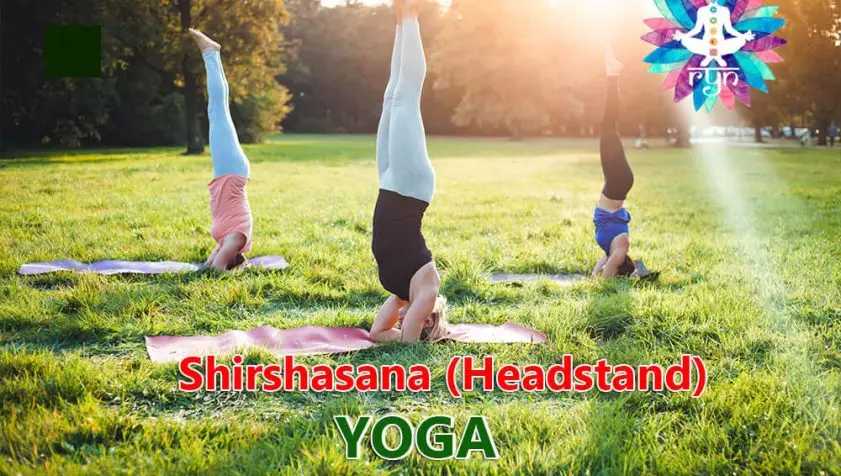
Shirshasan is known as the king of all postures because of the benefits we get from it. In this posture we work on our whole body. This is an inverted pose which helps us to calm down our mind and improves the blood circulation in our whole body. This is one of the best postures for meditation.
How to do Shirshasan (Headstand)
Step 1. Start with table top position. Then rest your elbows down and open your elbows with the shoulders distance.
Step 2. Interlace your fingers properly and tightly.
Step 3. Adjust your crown of the head on the mat in between your arms. The back of the head should touch your palms.
Step 4. Without disturbing your elbows, start lifting your hips up. Start walking forward with your feet as much as you can.
Step 5. Try lifting both legs together or one leg at a time. Use the strength of your abdomen, thighs and spine. Bring your whole body in one line from your head to toe.
How to come out from Shirshasan (Headstand)
Step 1. Slowly start bending your knees and bring your heels close to your hips.
Step 2. Keep your heels close to your hips and bring your knees close to your chest.
Step 3. Slowly release your legs down and go for child pose.
Step 4. In child pose, hold for 8 to 10 breaths. Try to relax your muscles and breath, and normalize your blood circulation. After that you are good to go for the next posture.
Contraindication
- If you have back, shoulders or neck problems so avoid the posture.
- Women’s should not practice this posture while menstruating.
- Do you have a heart condition, breathing problem and concern with blood coming to your head? Then you need to avoid the posture.
- If you have eye concern, Low or high blood pressures then avoid the posture.
- In the posture, if you feel compression or pain on your neck, come out from it immediately. Then correct your body alignment.
- Do not stand up immediately after the posture. First go for child pose and normalize your blood circulation.
Benefits of Shirshasan (Headstand)
- It help us to Strengthen and stimulate abdominal organs.
- This posture is very good for improving digestion system.
- Shirshasan helps to prevent headache.
- Shirshasan helps to stimulate the lymphatic system.
- This poster is very good for enhancing lungs capacity.
- This is one of the best posture for strengthening upper body, core and spine.
- Through the practice of Shirshasan we can alleviate stress and depression.
- This poster help us to come down the mind.
- One of the best posture for activating pituitary and pineal gland.
Preparatory postures
- Dolphin plank
- Forearm plank
- Supported shoulder stand
- Wide legged forward bend
- Push-ups
- Chanturanga danda asana
- Boat pose
We need to have good strength in order to do shirshasana. This exercise can help you to gain Forearm, core, thighs and spinal strength.
Bonus Tips
- Use the wall for support if you are a beginner. Using the wall gives you time to feel how the muscles engage and to adjust yourself.
- If it is hurting your head, you can use a small blanket under your head. It works like a cushion.
- You can place pillows or bolsters around you. If you fall, you can avoid injuries.
Watch: How to Do a Headstand
A teacher shows the steps into a supported headstand. A short clip from our school to go with “How to Shirshasana (Headstand), Steps and Benefits”.
