Simple Meditation for Beginners
Discover the best and easiest meditation practices suitable for beginners. Learn to find peace and enhance your mental wellbeing with Rishikesh Yog Nirvana.

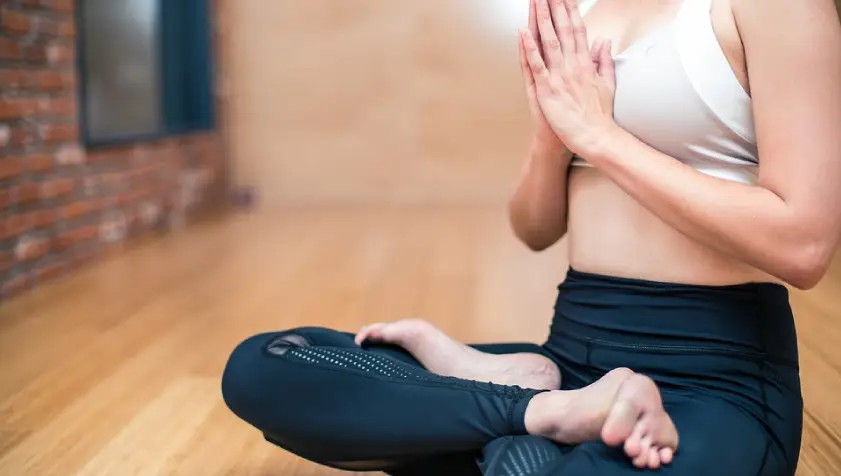
One of the best and easy-to-follow meditation practices for beginners. Want to know how easy it is?
What is Meditation? Why do we all find it intractable?
Meditation has been around for thousands of years. Many define Meditation as study, close study, speculation, attention, chanting, musing and thought. But what actually Meditation is? Why does one need to practice it? Why people are going towards Meditation? It starts with the body. Later the mind becomes more stable, and balanced with self-control. One is introduced to self-discipline as it opens the door to self-trust. Various benefits and some core benefits are found with Mediation. There are various types and techniques of meditation depending upon one’s life. Some are for better sleep, for feeling tired, anger, calming, and the ability to slow your mind. This matters because our mind is traveling 100 miles an hour all the time. They slow down the stressful life we are living. A tree takes its own time to grow. It gives us what we need to live. It gives Oxygen to breathe in, fruits-vegetables to eat, and shadow when required. Likewise, mediation requires practice, it requires concentration. Stillness, balance, and self-learning. We need to move past the part of life where it feels hard and challenging. Meditation can help you to gain control over your stressful mind. It will help you to manage and control your lifestyle. It will help you to do things that are meaningful and lead to happiness and healthy life. Meditation is more effective than Medication. And what side effects can it have? Meditation can have only good side effects and one is called Happiness. Meditation can reverse all the medication side effects. It can improve concentration and attention because part of it asks us to stay focused and mindful. One of the best and easy-to-follow meditation practices for beginners. Want to know how easy it is?
61 points Meditation
Very calming relaxing soothing and the body losing a way of meditation. One can either sit or lay down to practice 61 points of relaxing meditation. As mentioned, our mind runs miles an hour and agonizes all the time. This practice helps us get out of that state into a much more relaxing one. We can then control what is going on in our mind rather than vice versa. In this meditation practice, one has to scan one’s own physical body with awareness.
As the image describes, we start by focusing on the center of the forehead (Point 1). We have to feel all the sensations coming out of that point only. Once we start focusing on that point, we feel a sense of heaviness and warmth energy there. Staying conscious, we have to shift our awareness one by one to all the different 61 points in our body. Let this warmth energy fill the entire physical body. Wherever this energy travels in our body, we feel that body part getting relaxed. We feel all the tension we were carrying there is now loosening. At the end, we scan our entire body with our awareness. Then we feel the complete body melting down towards the floor. All the disturbing elements from this physical body have gone away. This body is falling down, falling absolutely free. The more our body falls down, the more it takes us to the deeper layers of relaxation. One of the best and easy to follow meditation practice for beginners. Want to know how easy it is?
All we have to do is be aware and shift our awareness within the body. Sometimes a thought comes into the mind and takes you somewhere else. As soon as you realize it, accept that you have been distracted from your practice. Then, very gently, without getting frustrated and without fighting your mind, bring your awareness back. Bring it to the point you remember you were on last time. One of the best and easy to follow meditation practice for beginners. Want to know how easy it is?
The most important thing about meditation is that you never ever have to feel frustrated. You need to be patient for that. If you feel you can’t reach the meditation state, you may think this is not for you. You may think all others can do it but you can’t. Then you are doing something very wrong. Remember that you are not the only one who finds it tough at the beginning. We all are like this. The only thing you can do to help yourself is to keep trying. The more you try, the more you get it. So, find a comfortable place for yourself. Experience this very easy yet deep relaxation technique of meditation.
Benefits of meditation:
There are 4 major brain waves
Delta- 1-4 cycles per second. Which is really asleep brain wave when you are asleep.
Theta – 5-eight cycles per second. Very light asleep or meditative state.
Alpha– 9-13 cycles per second. Being awake but sort of relaxed mind.
Beta – above 13 which is processing, and thinking. When you think too much, that turns into stress. Beyond that it becomes an obsession. Beyond that, it’s delusional. Beta waves are always processing. You can’t be in Beta all the time. You will collapse. We need to shift activities in our brain to a lower range. Then we can relax and turn off the processing.
Meditation research has found the part of the brain responsible for that rubberneck. It is called the Default Mode Network. Researchers have studied experienced meditators. They found that the amount of activity in their DMN is way less than in people who don’t meditate. What is DMN? It is all the thoughts going in our brain and letting us be in Beta waves. What mediation actually does is turn off that processing, those thoughts.
Why and how does it do that? The answer is meditation has a direct connection with the Heart and Brain. The heart has got few sensory Neurons in it. Why, why does the heart have these sensory Neurons? In meditation, there is this Heart and Brain union that happens. Scientists found the communication between Heart and Brain. They called these sensory neurons the little brain of our heart. When required and meditative, the heart is the thing that does the largest amount of communication. How do you know something is from your heart? When you ask a question from your heart, that’s when the brain works. That’s how we are caught in thinking and we are not quiet. So, we meditate and disconnect, and the disconnection becomes very strong. Then we can clearly hear what our heart tells us. It tells us right or wrong, and what should be done. We don’t need to ask anyone what is right and wrong. We have the answer, and we need to hear what our heart is saying. But we may be busy in our head and not trust ourselves. As I mentioned above, the head runs 100 miles an hour and makes a lot of stories. Cognitive dissonance is in heads, making so many thoughts and stories. But when we are in Meditation, it’s absent from these sensory neurons. It opens up communication between heart and brain. Heart communication is always from Nature, and it’s best for you. When we learn this communication, we become positive, full of gratitude, and truthful. We get out of the ties our brain tells us to do that is ok or permissive. We get into our heart space. Then life is better and goes smoothly. How you get into Heart space through Meditation. It brings you to heart space quickly. From there happiness happens instantly.
Meditation is not just to be happy. It’s the conduit of super learning and deep intuition. On the whole, it can slow down the aging of the brain. It prevents mind wandering and gives you some control over how you process things. It improves concentration and attention, and reduces anxiety and depression. In science, it shows brain changes. People who meditate and have practiced for a long time have experienced the change in the brain.
Watch: Meditation Explained Simply
A teacher explains meditation in simple words. A short clip from our school to go with “One of the Best and Easy to Follow Meditation Practice for Beginners”.
