Yoga for Neck & Shoulder Pain
Yoga for cervical pain — relieve neck and shoulder discomfort with beginner-friendly poses, daily routines, and tips for safe, mobility-building practice.
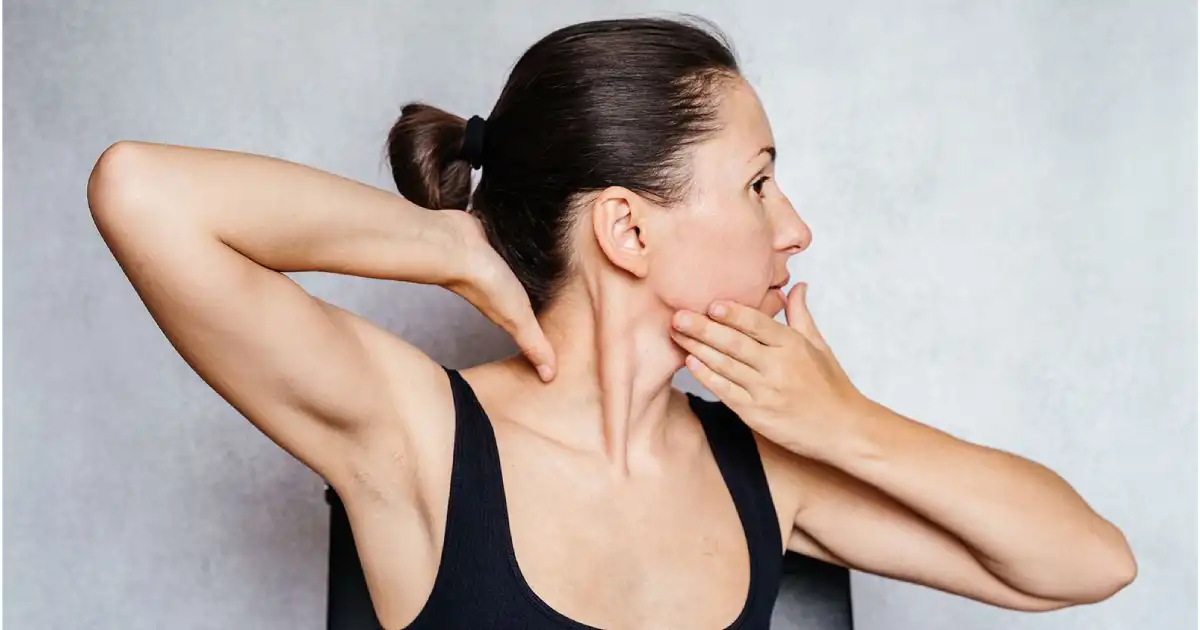
Cervical pain is often caused by poor posture and long screen time. It can lead to constant neck and shoulder discomfort. In the modern digital age, we often sit hunched over devices. We are unaware of the toll it takes on our spine and overall well-being. Pain medications give short-term relief. Yoga offers a more whole-person and lasting approach.
With gentle yet powerful movements, yoga can relieve tension and improve flexibility. It can also restore mobility to the cervical spine. Unlike high-impact workouts, yoga is easy to start. It can also be adapted to different pain levels. This makes it an ideal practice for ongoing cervical care. This guide covers the best yoga practices to ease cervical pain and improve daily comfort.
Understanding Cervical Pain and Its Impact on Daily Life
Cervical pain affects the neck, shoulders, and upper back. It often disrupts daily tasks like working at a desk, sleeping, or driving. Over time, repeated strain and too much sitting can harm the cervical spine. They can cause inflammation and chronic tension there. Poor posture, mental stress, and lack of movement only worsen the issue.
Pain in this area can also spread to the arms and cause headaches. This greatly lowers one’s quality of life. Know the root causes of cervical discomfort. Then you can better choose the right fixes. You can also adopt mindful habits that support long-term spinal health.
Benefits of Yoga for Cervical Pain
Reduces Muscle Tension
Yoga stretches help release stiffness from the neck and shoulders. They encourage blood flow and help the muscles relax naturally. It helps tight areas move more freely. This soothes painful trigger points and improves overall comfort. As a result, this relief can help reduce the need for pain medication over time.
Enhances Flexibility
Targeted asanas increase the range of motion in the cervical spine and shoulders. As flexibility slowly improves, daily tasks get easier and less painful. These include turning the head or lifting objects. This slow progress also lowers the risk of re-injury.
Lowers Stress Levels
Breathwork and gentle movement calm the nervous system. This reduces the mental and physical stress that adds to muscle tightness. As stress levels drop, the body naturally becomes more receptive to healing. This mental clarity also promotes more conscious posture habits. This is especially true when you add practices for easing tension, like these simple yoga poses for stress relief.
Improves Posture
Yoga promotes proper body alignment. This is key for relieving and preventing cervical discomfort caused by slouching. With regular practice, it gets easier to keep good posture all day. In the long run, better posture helps reduce the chance of pain coming back.
Cervical Spine Yoga for Neck Pain Relief
Sukhasana with Neck Stretch
A seated pose encourages an upright spine while gently stretching the neck side to side. This pose calms the mind. It also targets tight areas around the cervical spine. It’s especially helpful after long hours at a desk. You can easily do it even during breaks.
Marjaryasana-Bitilasana (Cat-Cow Pose)
This dynamic spinal flow warms up the cervical and thoracic spine. As you move between flexion and extension, it releases built-up tension and improves spinal mobility. This makes it a great warm-up before deeper stretches. It also improves spinal awareness.
Ustrasana (Camel Pose)
This chest-opening backbend counters slouched posture and stretches the front of the neck and shoulders. Done gently, it boosts blood flow to the neck. It also reduces stiffness from tech-neck syndrome. For beginners, props can be used for added support. A detailed guide on Camel Pose in Yoga covers its full benefits and step-by-step instructions.
Makarasana (Crocodile Pose)
A deeply restorative pose that aligns the spine and allows the neck to decompress. This passive pose helps calm the mind. It also gives gentle traction to the upper spine. It’s ideal before bed or during times of acute discomfort.
Yoga Asanas for Cervical Pain and Shoulder Tightness
Balasana (Child’s Pose)
A grounding pose that stretches the spine while gently opening the shoulders. This pose also invites a sense of surrender. Tension melts away with each exhale. Its calming nature makes it a perfect addition to any routine.
Bhujangasana (Cobra Pose)
Strengthens the upper back and opens the chest, helping relieve pressure around the cervical spine. Done with a mindfully engaged core, it supports the neck without overextending it. Practicing regularly can improve spinal strength.
Garudasana Arms (Eagle Arms)
An upper-body stretch that targets shoulder tightness. It improves circulation and flexibility in the shoulder joints. It also encourages balance between the two sides of the body. This pose can be done seated or standing.
If you want to learn more, check out this detailed guide: How to Do Garudasana (Eagle Pose).
Gomukhasana Arms (Cow Face Arms Only)
This stretch is highly effective for opening up the shoulders. With regular practice, it improves arm mobility. It also helps reduce tightness from repeated overhead movements or slouching. Deep breathing can intensify its effects gently.
Best Yoga for Cervical Pain and Muscle Stiffness
Ardha Matsyendrasana (Seated Twist)
Encourages flexibility and better posture. It reduces stiffness in the upper body. This gentle twist also stimulates the digestive system and energizes the spine. When paired with breathwork, it promotes a greater sense of ease.
Thread the Needle Pose
A calming pose that opens the shoulders and gently stretches the spine and neck. It also supports spinal decompression and encourages mindful breathing. This pose works well in the evening to unwind.
Setu Bandhasana (Bridge Pose)
This pose activates the back muscles while opening the chest. This creates a strong base for better posture and spinal support. It encourages spinal alignment and reduces rounding in the upper back. In this way, it addresses one of the key contributors to neck strain. For added comfort, use a block under the sacrum.
Viparita Karani (Legs-Up-The-Wall Pose)
This inversion promotes circulation to the upper spine. It has a deeply restorative effect on the nervous system. It’s ideal for reducing overall fatigue and supporting gentle healing. Stay for 5–10 minutes to fully experience the calming benefits.
Yoga Exercise for Cervical Pain: A Simple Routine to Follow
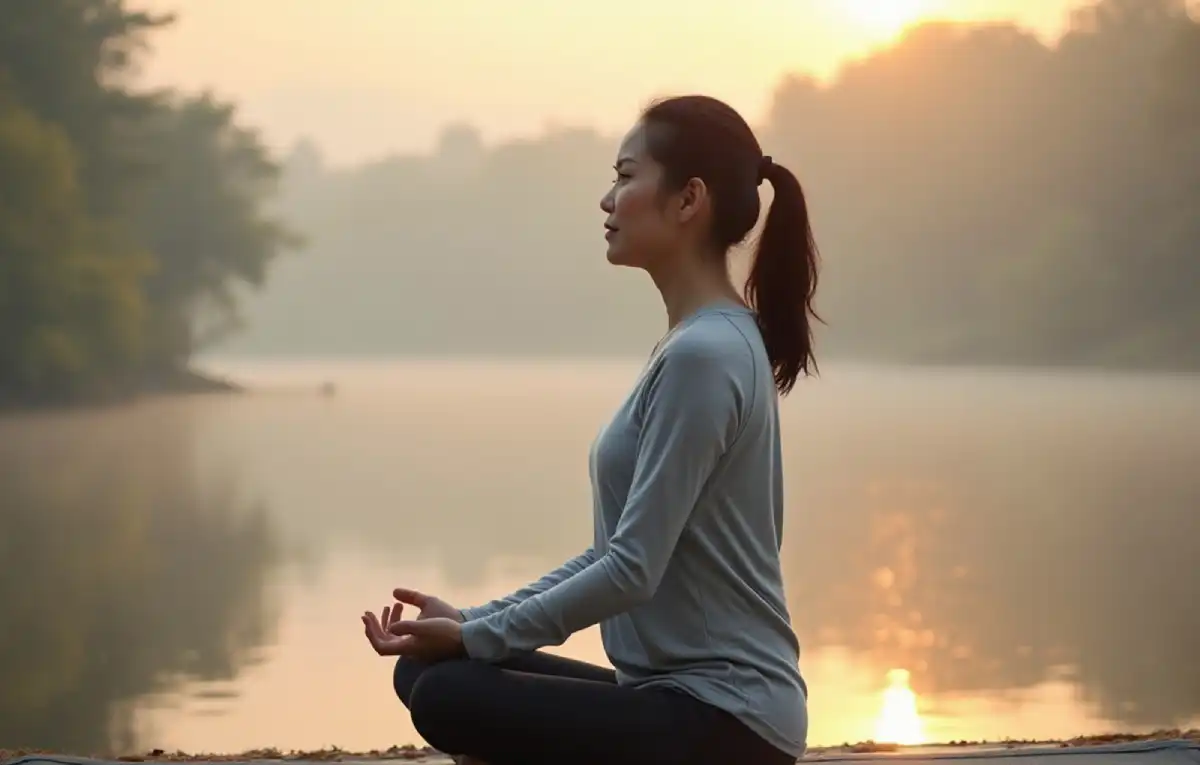
10-Minute Daily Flow for Neck and Shoulder Mobility
A beginner-friendly routine:
- Sukhasana with Neck Rolls (2 minutes).
- Cat-Cow Flow (2 minutes).
- Child’s Pose with Shoulder Stretch (2 minutes).
- Eagle Arms Stretch (2 minutes).
- Viparita Karani (2 minutes).
This short yet effective routine fits easily into your morning or evening. It helps maintain upper body mobility. Practicing yoga daily helps prevent stiffness from building up.
Tips for Practicing Safely and Effectively
- Keep the neck long and relaxed.
- Avoid abrupt movements.
- Never push into pain. Discomfort is a signal to modify or pause.
Taking a mindful approach ensures lasting results and reduces the risk of injury.
Use of Props and Modifications for Beginners
Try yoga blocks under your hands and cushions under your knees. Folded blankets behind the neck also make practice more comfortable. These props encourage good alignment and support as you build strength and flexibility. They also help you stay in poses longer, which boosts the overall benefits.
Breath Coordination with Movement
Use a slow inhale to lengthen the spine. Use a controlled exhale to deepen the stretch. This harmony of breath and movement boosts the benefits of each pose. It also builds body awareness. Over time, this rhythm also improves focus and stress resilience. Learn more about mindful breathing in this guide to Pranayama Breathing Techniques.
Final Thoughts on Managing Cervical Pain Through Yoga
Yoga is a natural, sustainable solution for managing cervical discomfort when practiced mindfully. With steady practice, it can improve posture and reduce pain. It can also improve your overall quality of life. Unlike quick fixes, yoga encourages long-term changes in body mechanics and mental habits.
Even 10 minutes of practice each day can make a remarkable difference. Pair it with mindful breathing and healthy posture habits. Also make ergonomic changes at your workspace to further reduce strain on your neck. Most of all, embrace the journey. Small efforts practiced regularly can lead to major change.

Train with Us in Rishikesh
Enjoyed “Effective Yoga for Cervical Pain to Ease Neck and Shoulder Discomfort”? Learn it in person with our teachers at our school in Tapovan, Rishikesh. Courses start on the 1st of every month.