7 Easy Yoga Exercises for Beginners
Starting your yoga journey? Check out our easy yoga exercises for beginners to help you get started. Join us at Rishikesh Yog Nirvana.

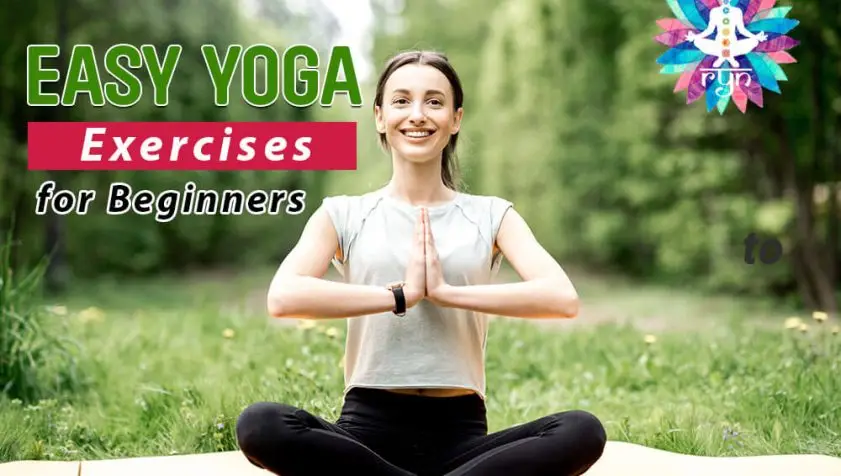
Here is the list of 7 easy yoga exercises for beginners that can be done at home. Perhaps you are trying yoga for the first time. In this article, we list the top 7 simple yoga exercises for newbies. They will help you build your confidence and strength to a great extent. So, let us not waste time. Let us go through the exercises below.
1. Adho Mukha Svanasana
Keep your hands stacked below the shoulders. Your knees should be under your buttocks. Press the index finger and the thumb into the mat while spreading your hands wide. Next, raise your tailbone and press the butt upwards and backward. Draw your hips toward the ceiling. Gently press the heels toward the floor. Straighten your legs as much as you can. Place your head between the arms while facing your knees. Keep your back flat. Hold this position for about 5 to 10 breaths.
While doing this exercise, keep your spine long. If you need to bend the knees, that is fine. Spread the fingers wide and grip the mat with your fingertips. Put more weight into the pad. While doing so, do not put pressure on the wrists.
2. Tadasana
This yoga exercise will teach you how to stand steady like a mountain. The name comes from the term “Tada”, which refers to a mountain. This pose is the base of every standing pose. It involves the major muscle groups while improving concentration and focus. This pose might seem to be simply standing, but many things are going on while doing so.
Stand with the toes together and your heels slightly apart. Hang your arms at the sides of your torso. Spread your toes and place your weight evenly on the feet. Make your thigh muscles firm and rotate them inwards. Roll your shoulders back and down while keeping them relaxed. Lengthen the torso while inhaling. Release the shoulder blades while exhaling. It is also good to place your hands in the prayer position in front of the chest. Breathe in deeply and slowly.
3. Vrksasana
This one is a great standing balance for newbies. It helps them gain clarity and focus. They will learn how to breathe while standing and keeping the body balanced on one foot. This particular exercise copies the stance of a tree.
Start with the feet together. Place the right foot on the inner left upper thigh. Find a spot ahead of you that you can hold with a steady gaze. Place your hands in the prayer position. Hold and breathe for 8 to 10 breaths, then change sides. Do not lean into the standing leg. Keep your shoulders relaxed and the core engaged.
4. Trikonasana
The benefit of doing this particular yoga workout is that it will help to stretch your legs and your torso. It also mobilizes the hips and promotes deep breathing. For this exercise, stand with your feet apart. Stretch out your right foot. Keep the leg nearer to your torso. Balance your weight evenly on both feet. Keep the feet pressed against the floor. Inhale. Then bend the right arm while exhaling. Use it to touch the floor while lifting your left arm. While doing so, it is important to keep the waist straight. Make sure that you lean sideways and not backward or forwards. Take long and deep breaths while stretching to the best of your ability. Repeat this process on the other side as well.
5. Kursiasana
Kursiasana or chair pose is an extremely powerful exercise. It will aid in strengthening the leg muscles and arm muscles. It will also give you more energy and willpower. Stand upright while keeping the feet a bit apart. Stretch the arms, but do not bend the elbow. Bend your knees while inhaling. Push the pelvis down as if you are sitting on a chair. Keep your hands parallel to the floor while doing so. Breathe deeply and bend slowly. However, make sure that your knees do not go beyond the toes. Also learn how Yoga helps to increase height in real life.
6. Urdhva Mukha Svanasana
This pose is also called upward facing dog pose. It is practiced along with Adho mukha svanasana, which was mentioned earlier. This powerful pose will give strength to your upper body. It also gives a fantastic stretch for your abdomen and chest.
Begin this exercise by lying down on your stomach. Stretch your legs back and keep the top of your feet on the yoga mat. Spread your palms beside your waist while bending the elbows. Press the inner hands into the yoga mat firmly while inhaling. Keep your arms straight. At the same time, raise your chest and your legs several inches off the yoga mat. Pull back your shoulders and squeeze the shoulder blades. Tilt your head toward the ceiling and open up the chest.
7. Balasna
This one is also called the child’s pose. It is a gentle exercise that stretches the thighs, hips, and legs. This beginner yoga exercise will help to keep your mind calm. It also helps get rid of tension and stress. Balasna is not only good for beginners. It is also suitable for yoga practitioners of every level.
Begin this pose by kneeling on the floor. Sit on the heels and touch your big toes together. Keep your knees apart, about as wide as the hips. Lie down on your abdomen while exhaling. Rest your forehead on the yoga mat. Keep your arms sideways while making your palms face up close to your feet. Stay in this position for about 5 to 10 breaths. Then lengthen your front torso. Gently release your back as you inhale.
Conclusion
All these yoga workouts are suitable for beginners. They will help to strengthen your body and improve your concentration in the best possible way. You will be able to lead a healthy lifestyle. Your internal bodily disorders will be balanced as well.

Train with Us in Rishikesh
Enjoyed “7 Easy Yoga Exercises for Beginners”? Learn it in person with our teachers at our school in Tapovan, Rishikesh. Courses start on the 1st of every month.