How to do Garudasana Eagle Pose
Learn how to do Garudasana (Eagle Pose) with our step-by-step guide. Enhance your yoga practice and build physical and mental strength.
A Yoga Retreat for the Soul In Rishikesh, even the air seems to breathe yoga. It urges visitors to plunge into the depths of this ancient practice. Here, yoga is not just a lifestyle. It is a deep-rooted philosophy, a part of everyday life. The ambiance vibrates with positive energy. It encourages both beginners and seasoned practitioners to deepen their yoga journeys. The Ancient Practice of Yoga in Rishikesh isn't simply a physical destination. It's a spiritual journey towards self-discovery. It's where the abstract and the physical converge, enriching the yoga experience beyond asanas. Yoga, in its fullest form, is a complete practice that joins mind, body, and spirit. It helps people reach the door to their inner selves.
Here is quick and step by step method to do Garudasana Eagle Pose and its benefits in detail.
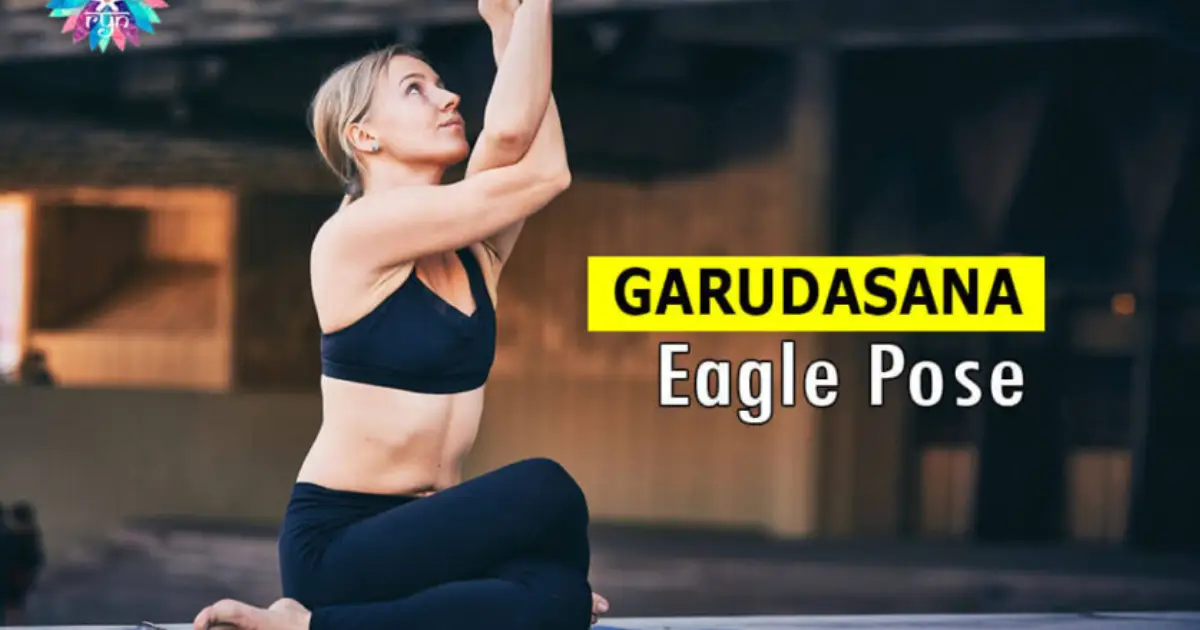
The Garudasana is a traditional standing balancing asana. Its name joins two Sanskrit words. ‘Garuda’ means eagle, and ‘Asana’ means posture. So in English, we call it Eagle posture. According to Hindu mythology, Garuda is the king of birds. He was an incarnation of lord Vishnu who saved humanity from devils. It’s an asymmetric body posture that helps us to improve overall body movements. To get all the benefits from the posture, it’s very important to know how to do it. Here is how we do it.
How to do Garudasana Eagle Pose
- Garudasana is a balancing pose. For every balancing pose, going step by step is very important. It helps us be more stable.
- Start with samastithi ( equal standing pose) or just with normal standing.
- Press your right leg firmly into the ground. Lift your left leg up and bend it.
- Cross your left foot around your right leg. Your left thigh should be very close to your right thigh.
- Your left toe should point to the ground. Your right toe is lifted away from the ground.
- Stretch your arms forward parallel to the ground.
- Bend your right arm and cross it over your left arm. Join your palms together for prayer gesture (namaskar mudra).
- As it is a balancing posture, pick a gaze point and keep looking at it. It will help you keep your balance.
- Hold there for as long as you can with deep breathing. Deep breathing also helps you keep your balance.
- Then slowly release your legs and arm together. Come back to samastithi or normal standing.
Benefits of Garudasana Eagle Pose
- Garudasana improves concentration as it is a balancing posture.
- It helps to strengthen leg muscles and tone thigh and calf muscles.
- Garudasana is very good for easing sciatica pain.
- Helps to improve flexibility and strength with hips and shoulders.
- This pose will also help you to improve core strength, which is very important for stability.
- Very helpful for improving overall body movements.
- Garudasna helps you improve blood circulation to the essential organs and enhance their functions.
- Helps with health issues like asthma and back pain.
Contraindications
- Don’t do garudasana if you have a knee injury and wrist injury.
- Avoid this posture when you have ankle and elbow injury.
- If you have arthritis, avoid this posture.
- Women should stop doing this posture after their third trimester.
- Avoid doing this posture with an internal ear problem, headache, and low blood pressure.
- Do you have twisted or enlarged veins at the back of the knee? Then you need to avoid this posture.
Follow-up asanas for Garudasana or counter-stretch postures:
- Malasana (garland pose)
- Pada hastha asana ( hand to big toa pose)
- Balasna (child pose)
- Adho mukha swana asana (downward facing dog pose)
- Ustha asana( camel pose)
- Utkata konasana (goddess pose)
Also check other useful Yoga poses:

Train with Us in Rishikesh
Enjoyed “How to do Garudasana Eagle Pose”? Learn it in person with our teachers at our school in Tapovan, Rishikesh. Courses start on the 1st of every month.