Kapalbhati Pranayama Guide
In the yoga world, breathing is considered an art form, a symphony of conscious inhalation and exhalation called Pranayama. It is not merely an involuntary act.

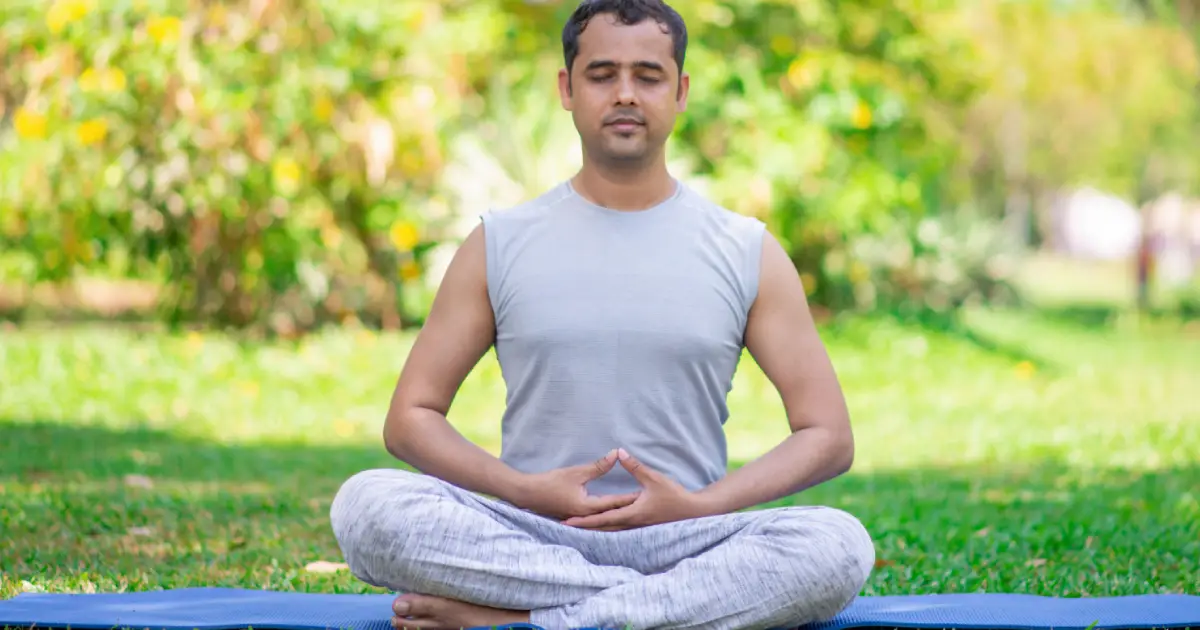
In the yoga world, breathing is seen as an art form. It is a symphony of conscious breathing in and out, called Pranayama. It is not just an act we do without thinking. Pranayama is the Sanskrit word for "life force control." It is a series of breathing techniques. They help us gain control over the prana, or life force, that flows through our bodies.
Kapalbhati is a breathing technique that will put you on cloud nine. Of all the Pranayama techniques, Kapalbhati has the highest cleansing and refreshing effects. Its name combines the Sanskrit words "kapal" (forehead) and "bhati" (to shine). The name describes its power to enliven the body and light up the mind.
Kapalbhati Pranayama and its significance
Known as "Kapalbhati," or "Skull Shining Breath," this is a vigorous breathing technique. It uses quick, forceful exhalations followed by passive inhalations. This rhythmic, bellows-like action makes the body produce heat. It stimulates the internal organs and aids in detoxification.
Kapalbhati is important because of its many advantages. It is an effective detox technique. It stimulates the respiratory system, removes congestion, and flushes out toxins. It also builds mental clarity, boosts energy, and improves cognitive function.
What sets Kapalbhati apart from other Yogic breathing methods
The Kapalbhati breathing technique stands out among yoga breathing techniques. It stresses forceful exhalations. This is unlike other forms of Pranayama, which stress slow, deep breathing. Kapalbhati stresses quick, rapid exhalations. They create a bellows-like effect. This stimulates the internal organs and aids in detoxification.
Types of Kapalbhati Pranayama
Vatakrama Kapalbhati
Vatakrama Kapalbhati is the most common type of Kapalbhati. It involves sitting in a comfortable position with the spine straight. Put your hands on your belly and close your eyes. Take a slow, deep breath through your nose. Next, firmly exhale through your nose while tightening your abdominal muscles. Continue this pattern for 10-15 rounds.
Benefits
- Digestive System Stimulation: Vatakrama Kapalbhati helps stimulate the digestive system. Strong exhalations tone the abdominal muscles. This aids better digestion and reduces digestive issues.
- Increased Lung Capacity: This variation uses quick, forceful breaths. It strengthens the respiratory muscles and enhances general lung function. In this way, it increases lung capacity.
- Enhanced Vitality and Energy: Vatakrama Kapalbhati may lead to more vitality and energy. This is due to the increased intake of oxygen and exhalation of carbon dioxide from the body.
Vyutkrama Kapalbhati
To perform Vyutkrama Kapalbhati, first inhale water through the nose. Then forcefully exhale it through the mouth. It is said that this method works especially well for sinusitis and clearing congestion.
Benefits
- Nasal and Sinus Health: Vyutkrama Kapalbhati involves pushing water out through the nostrils. This can help relieve sinus congestion and clean the nasal passages. It can also help maintain nasal health.
- Enhanced Mental Clarity: The practice opens up the nasal passages and improves airflow to the brain. This may help with concentration and mental clarity.
- Detoxification: Vyutkrama Kapalbhati is thought to have a cleansing effect on the sinuses. It is also thought to aid in the upper respiratory tract's detoxification.
Sheetkrama Kapalbhati
Sheetkrama Kapalbhati is similar to Vatakrama Kapalbhati. The difference is that water is inhaled through the mouth. It is then forcefully exhaled through the nose. This practice is said to strengthen the lungs and respiratory system especially well.
Benefits
- Cooling Effect: Sheetkrama Kapalbhati involves breathing in cool air through the lips. It is believed to have a cooling effect on the body. So it can be especially helpful in hot weather or when the body is overheating.
- Calming the Nervous System: Breathing in cool air slowly and rhythmically can calm the nervous system. This can help to reduce stress and promote relaxation.
- Pitta Dosha Balancing: According to Ayurveda, Sheetkrama Kapalbhati is thought to help balance the pitta dosha. This dosha is linked to the body's fire and heat.
Step-by-Step Guide to Performing Kapalbhati
- 01. Choose a comfortable spot to sit on the ground.
- 02. Keep your back straight and your shoulders relaxed to maintain a straight spine.
- 03. Shut your eyes or look forward slowly: Without straining your eyes, concentrate on your breathing.
- 04. Take a few slow, deep breaths. Inhale deeply through your nose and exhale slowly through your mouth.
- 05. Start Kapalbhati by taking a deep breath through your nose. Make a sharp "ba" sound as you contract your abdominal muscles. At the same time, release the air firmly through your mouth. The inhalation should be passive, while the exhalation is active.
- 06. Keep your breathing rhythm steady: Aim for a rhythm of roughly 15-20 breaths per minute. Beginners can start with a shorter time and slowly increase it.
- 07. Practice for three to five minutes. Start with a few rounds of three to five minutes. As you get used to the practice, slowly extend the time.
- 08. Look at your body: Observe the cues from your body and take a break if you feel uncomfortable.
Tips for Correct Posture and Breathing Rhythm
- Keep your chin slightly tucked in. This helps you keep a neutral spine and prevent neck strain.
- Relax your facial muscles so they do not tense up. Let the exhalation happen on its own.
- Keep your breathing rhythm steady. Stay away from jerky or forced inhalations. Aim for a rhythmic and stable flow.
- Pay attention to the sensations: Notice how your abdominal muscles move. Notice how air enters and exits your nose.
- Pay attention to your body. Be mindful of your body's signals. Adjust the intensity or duration to match.
Health Benefits of Kapalbhati Pranayama
- Enhances respiratory function: Kapalbhati strengthens the respiratory muscles. This helps expand lung capacity and makes breathing more effective all around.
- Improves blood circulation: The forceful exhalation of the Kapalbhati pose increases blood circulation. This in turn helps the body deliver nutrients and oxygen.
- Body detoxification: Kapalbhati encourages the body to rid itself of waste and toxins. This improves general health.
- Reduces anxiety and stress: The rhythmic breathing of kapalbhati aids mental calm and lowers stress levels. It also encourages emotional balance and relaxation.
- Enhances cognitive function and fosters mental clarity. This improves focus and concentration. Kapalbhati is known to do this.
Incorporating Kapalbhati into Daily Routine
Duration and Frequency
Beginners should begin with three to five-minute sessions. With steady practice, they can work up to ten to fifteen minutes. Based on your tolerance and goals, you can practice kapalbhati daily or several times a week.
Integrating with Other Yoga Practices:
You can add kapalbhati to a regular yoga practice with success. It is often done before other asanas and pranayama exercises. Kapalbhati can also be used on its own for immediate stress relief or to stimulate digestion.
Common Mistakes and How to Avoid Them
Overexertion:
Do not overdo it, especially when you are just starting. Pay attention to your body and take breaks when needed.
Breathing through the mouth:
When performing Kapalbhati, always breathe through your nose. Mouth breathing may cause discomfort and dryness.
Practicing on a Full Stomach:
Do not do Kapalbhati right after eating. Give your digestion at least an hour to settle.
Practicing with Underlying Medical Conditions
Do you have any underlying medical conditions, such as high blood pressure or heart disease? If so, seek medical advice from a professional before performing Kapalbhati.
Advanced Techniques and Variations
Bhramari Pranayama (Humming Bee Breath):
Combine Bhramari Pranayama with Kapalbhati by humming as you exhale. This makes a calming vibration. It enhances mental clarity and brings even deeper relaxation. You can read more about Bhramari Pranayama here.
Kapalbhati with Extended Exhalations:
Keep taking passive breaths while slowly lengthening your exhalations. This makes the exercise stronger and boosts its purifying benefits.
Kapalbhati with Visualization:
During Kapalbhati, use visualization. As you exhale, picture toxins leaving the body. As you inhale, picture pure energy coming in.
Kapalbhati for Experienced Practitioners:
Experienced practitioners can try more advanced forms of Kapalbhati. These include Bhastrika Pranayama (Fiery Breath) and Surya Bheda Pranayama (Sun Breath). These variations call for more practice and use a quicker breath cycle.
Conclusion
Kapalbhati Pranayama is an ancient yogic breathing method. It offers a major path to both physical and mental well-being. Kapalbhati Pranayama has great potential for anyone who wants to improve digestion or reduce stress. It also suits those seeking a deeper journey of self-discovery. Embrace this life-changing exercise and feel its deep effects on your general health. Begin your Kapalbhati journey today. Discover the restoring power of this age-old yoga technique.
Watch: Why Healthy Breathing Matters
One of our teachers explains the link between breath and health. A short clip from our school to go with “Unlock the Power of Breath: Mastering Kapalbhati Pranayama for Enhanced Health and Vitality”.
