Kundalini Awakening Guide
Discover the ancient wisdom and practices of Kundalini awakening — its process, challenges, and profound spiritual growth. A guide for seekers.

Introduction
Kundalini is the part of yoga that attracts the most talk and the least clarity. It is usually described as a coiled serpent asleep at the base of the spine. It is potential you carry around without using. Wake it, the tradition says, and both your spiritual life and your physical health change. This piece is for anyone curious about that claim. Maybe you have practised for years. Or maybe you are simply wondering what the term means. The aim is to explain how the energy is said to wake. It also covers how to go about it without hurting yourself.
Demystifying Kundalini
What is Kundalini ?
The word comes from the Upanishads. There, Kundalini is described as a divine power at the centre of consciousness. It connects the person to something larger. The image used is a serpent coiled at the base of the spine. It is huge energy, fully at rest.
The Origins of Kundalini
The Upanishads are the philosophical base of Hinduism. They treat Kundalini as a basic life force. In those texts, waking it is what spiritual enlightenment consists of.
The Symbolism of Kundalini - Serpent Power
The serpent carries a lot of meaning. It stands for rebirth, change, and the cycles the universe moves through. Dormant, it is potential. Woken, it is said to move you along a path of spiritual development.
Understanding the Seven Chakras
Kundalini rises through the sushumna nadi. It lights the seven chakras one after another. Each chakra governs a different part of you, physically, emotionally and spiritually.
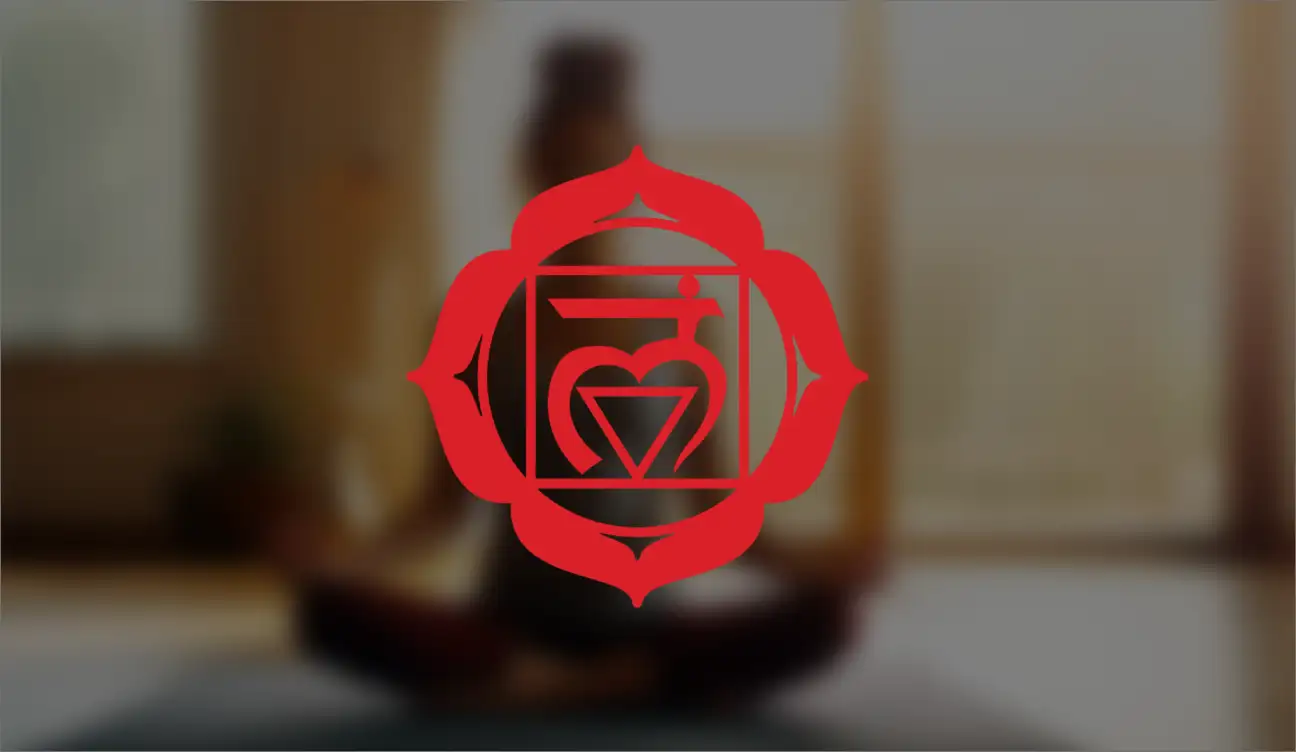
Root Chakra (Muladhara)
At the base of the spine, the Root Chakra is the foundation. It covers survival, safety, and the basic needs. When it is balanced you feel steady.
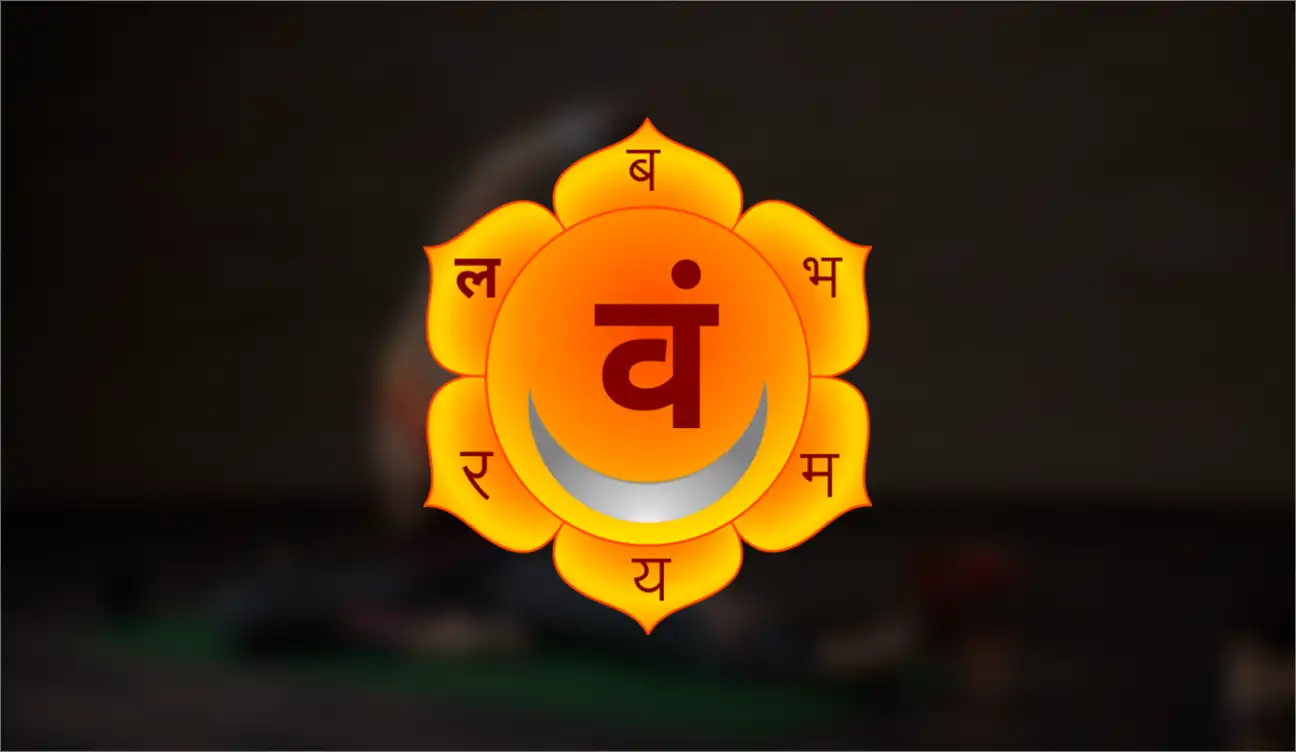
Sacral Chakra (Svadhishthana)
This chakra sits above the pubic bone. It governs creativity, pleasure and the emotions. It shapes how much you are able to enjoy your life.
Naval Chakra (Manipura)
The Naval Chakra sits around the navel. It is where personal power, confidence and inner strength come from. Self-esteem and discipline both depend on it.

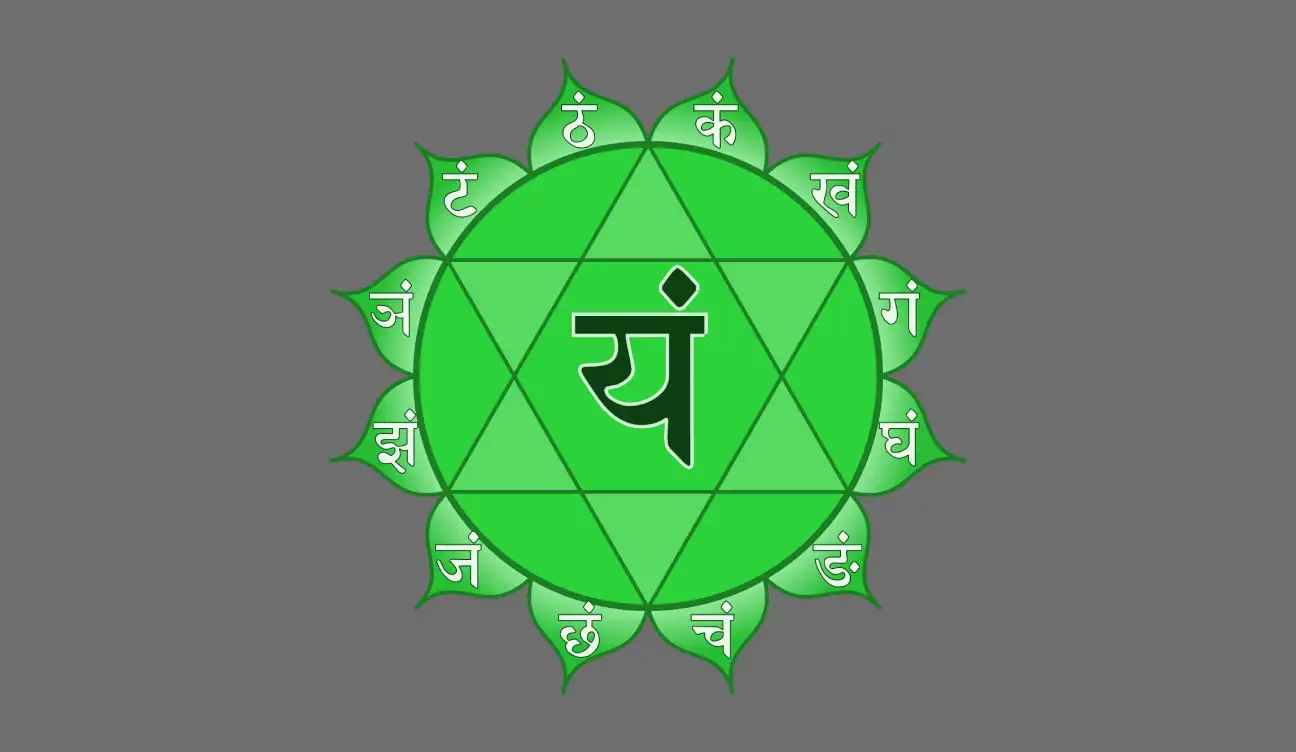
Heart Chakra (Anahata)
The Heart Chakra sits in the centre of the chest. It is the source of love, compassion and kindness. It joins the physical self to the spiritual one.
Throat Chakra (Vishuddha)
This chakra sits at the throat and governs communication. It is what lets you say what you actually mean.

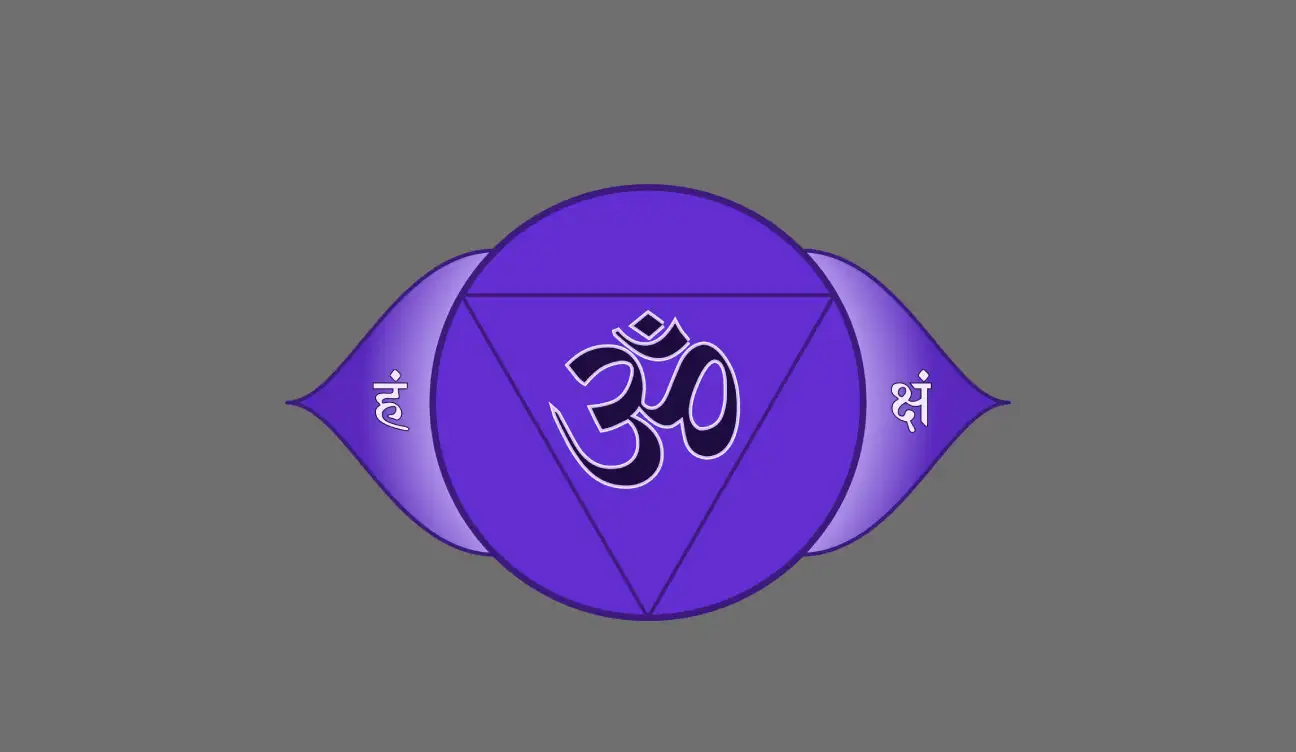
Third Eye Chakra (Ajna)
Between the eyebrows sits the seat of intuition and insight. This is how you perceive what the senses do not report.
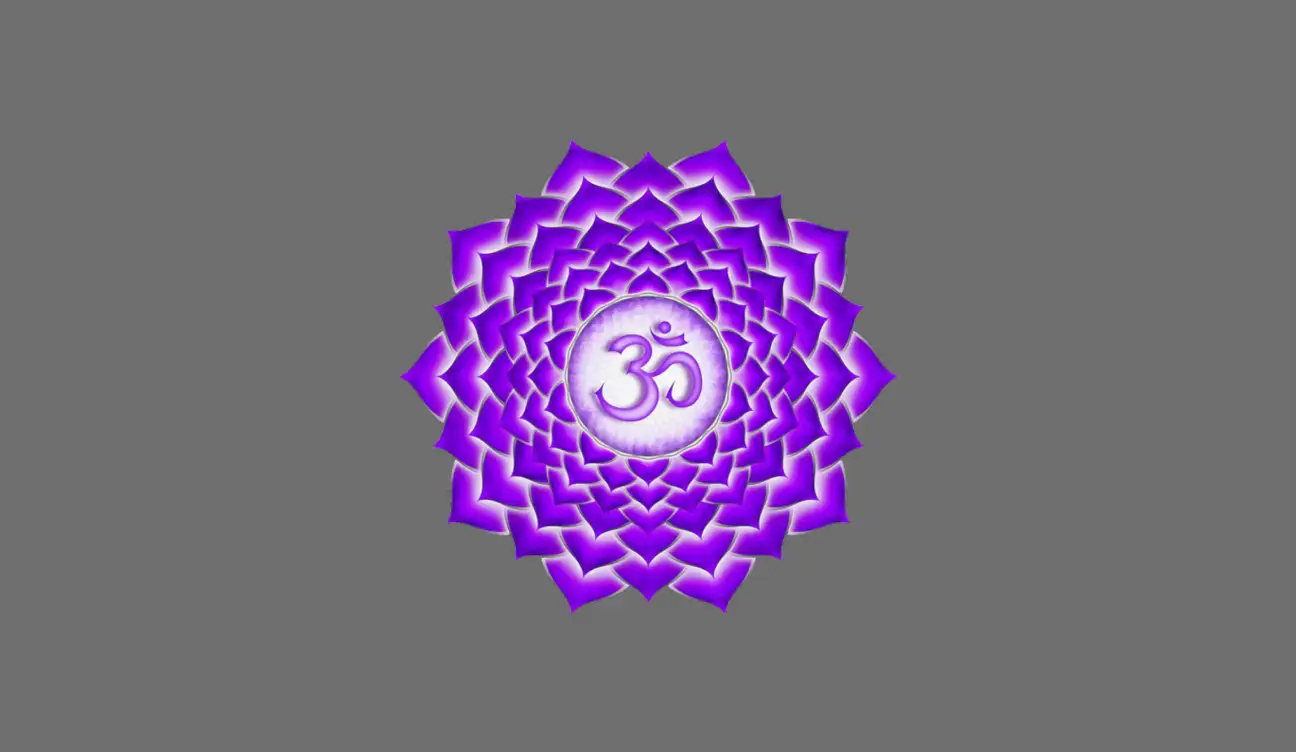
Crown Chakra (Sahasrara)
This chakra sits at the crown of the head. It connects you to the divine. It brings spiritual insight and a
Kundalini Shakti
Kundalini Shakti names this energy in its divine feminine form. The idea behind it is simple enough: everything you need is already in you. It is not a question of physical strength or a clear head. It is about reaching creativity, wisdom and joy. The tradition says these are already present, in everyone.
The Intersection of Science and Spirituality
The Energetic Anatomy: A Deep Dive into Kundalini's Realm
Yoga's older map of the body overlaps with what science now describes. The overlap is larger than you might expect. The energetic anatomy treats the body as more than tissue and bone. It sees a structure carrying energy, organised around the chakras. Woken Kundalini travels through those centres, root to crown. You may read that literally, or as a description of what practice feels like. Either way, the route from ordinary awareness to something wider runs along it.
Scientific Perspectives on Kundalini: Bridging the Gap
Kundalini is no longer discussed only in spiritual texts. Neuroscience and psychology have taken an interest. Early research suggests that what practitioners describe as an awakening matches measurable changes in brain structure and function. That would account for the reported states of heightened self-awareness. The science is young, but it points the same way the texts do.
Expert Testimonials: Voices of Experience
The accounts of people who have practised for decades are worth reading. Teachers and long-time practitioners across the world describe something consistent. Some feel a surge of energy. Others feel a settled clarity. The details differ, but the substance holds. Whatever else Kundalini is, people who go looking for it tend to find something.
Practical Pathways to Kundalini Awakening

Hatha Yoga and Mindfulness Meditation
Start at the beginning. Preparing for a Kundalini awakening is like preparing for anything else that matters. You need the groundwork in place first, and that means Hatha Yoga and mindfulness meditation. Hatha is the soil. It is not there to make you flexible or strong, though it will. It is there to get body and mind working together. That is the condition Kundalini practice requires.
Mindfulness does the other half of the job. It teaches you to stay in the present. You learn to watch what happens without judging it at once. That matters, because an awakening is not only a physical event. Most of what people report is mental and emotional. Build on Hatha and mindfulness and you have somewhere safe for the rest to happen.
A Guide to Safe Kundalini Awakening
Then there are the tools. Breathwork and meditation are the two that count. Pranayama is not deep breathing; it is learning to direct prana deliberately. Kapalabhati is the skull-shining breath. Anulom Vilom is alternate nostril breathing. Both are bracing and thoroughly cleansing, and they prepare the body for what follows.
Meditation focused on the chakras aligns and balances the energy centres. This gives Kundalini a clear path upward. Each session clears a little more of the way.
Navigating Kundalini Awakening

Few subjects in yoga attract as much myth as this one. Some people are frightened of Kundalini, some romanticise it, and most misunderstand it. The honest view is that it is real and serious, and not without difficulty. Treat it with respect and patience, and get proper guidance. The stories of spontaneous awakenings that overwhelmed people are not invented. They are the reason a guided approach matters.
Safety comes first. This is not a race, and there is no single method that suits everyone. A knowledgeable teacher, or a course built properly, is worth a great deal. You want someone who can read where you actually are. They keep the experience useful rather than alarming.
What Are the Signs of a Kundalini Awakening?
People often ask how to tell whether what they are feeling is Kundalini. It is the wrong question to fix on. Sensations arrive (heat, energy moving, shifts in mood or sleep). Trying to label them tends to make things worse rather than better. Give whatever comes up somewhere to go instead: practice, rest, conversation with a teacher. Most people find that easier than diagnosis, and it works better.
WKundalini Shakti vs. Kundalini Yoga
It helps to separate two things that share a name. Kundalini Shakti is the energy itself. Kundalini Yoga is a method for waking it. It is a structured practice, built from sequences and kriyas passed down by teachers. It borrows some of its material from classical Hatha Yoga but goes about things differently.
Kundalini Yoga - A Modern Practice with Ancient Root
Unraveling the Mystique of Kundalini Yoga
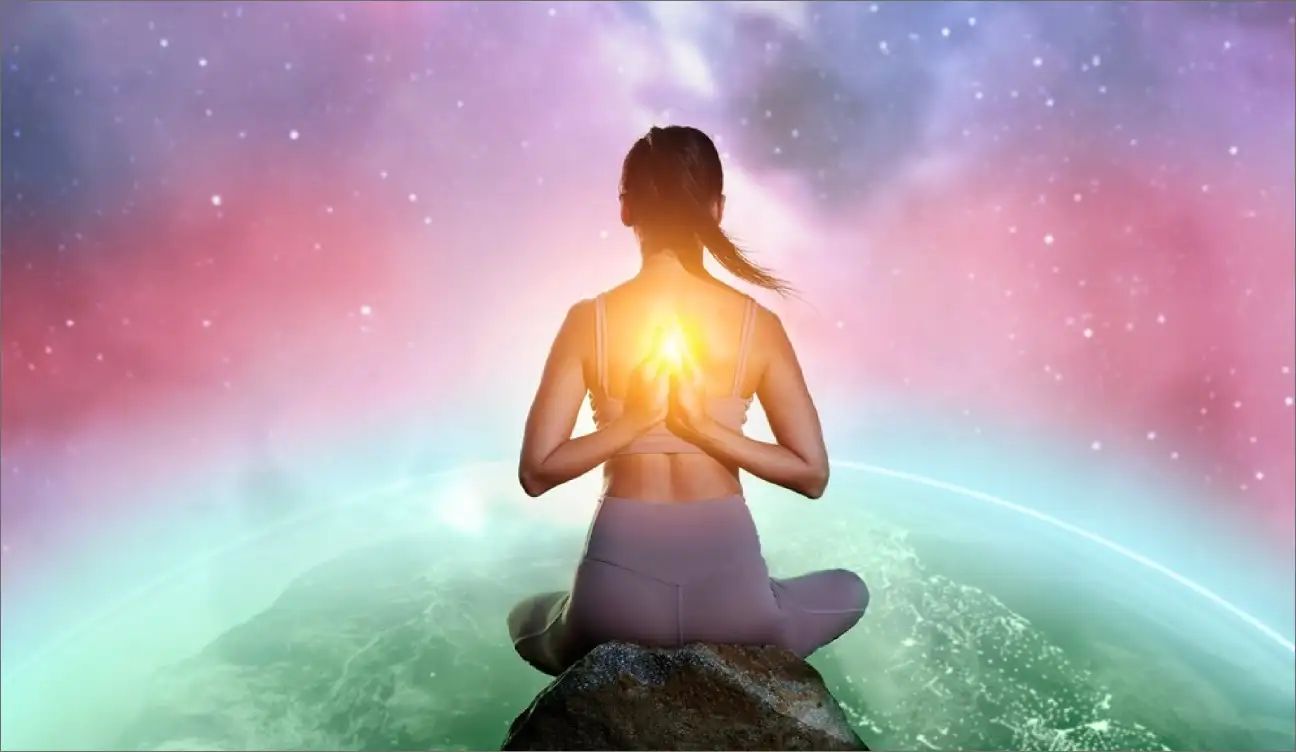
Kundalini Yoga is a term that gets used loosely. So it is worth being precise. Kundalini energy is the primal force said to sit at the base of the spine. Kundalini Yoga is the practice. It combines movements, breathing techniques and meditations. Together they wake that force and guide it up through the chakras. One is the sleeping serpent; the other is the key.
The Pillars of Kundalini Yoga: Kriyas, Mantras, and Mudras
Three elements hold the practice together. They are Kriyas, Mantras and Mudras. Kriyas are set sequences combining posture, breath and sound. Each is built to do a particular job, from raising vitality to settling the mind. They work rather like recipes. Follow the steps and you get a predictable result.
Mantras are sacred sounds or phrases. They are repeated to gather the mind and turn it towards the divine. They give the practice its sound, and repetition is the point.
Mudras are hand gestures that seal and direct the flow of energy. They hold your intention in place while you practise.
Harmonizing Practices
Kundalini Yoga sits well alongside other practices. You may already practise Hatha, Vinyasa or Yin. If so, adding Kundalini work opens up a side of it you may not have met. The base ingredients do not change; what changes is what you notice in them.
It does more than sit alongside them, in fact. It sharpens them. As Kundalini energy wakes, awareness and sensitivity increase. That shows up in steadier asana and more settled meditation. It also shows up as a stronger sense of connection during pranayama. The practices feed each other, and daily life gets some of the benefit.
Embracing Kundalini in Daily Life
Nurturing Your Kundalini
Kundalini practice does not end when you step off the mat. Diet is the obvious place to start. Think fresh food, fruit and vegetables, and whole grains. What you eat either supports the energy or gets in its way.
Sleep matters as much. It is when the body repairs itself. Without enough of it, the balance the practice depends on does not hold.
Then there are the ordinary hours. Carry attention through the day. Breathe consciously, keep some record of what you are grateful for, and walk without your phone. This keeps you in contact with the practice between sessions. Small things, but they add up.
The Kundalini Lifestyle
Living this way gives you a sense of direction. You start noticing the divine in ordinary moments and taking pleasure in simple ones. You see how much is connected to how much else. It shows up in your relationships, in your work, and in how settled you feel.
The Ripple Effects
The long-term effects are real. The largest of them is that consciousness widens. Difficulties start looking more like material to work with. You come to know better who you actually are.
Well-being improves too. Stress and anxiety drop, and a steadier inner quiet takes their place. The path leads towards enlightenment, certainly. But it also leads towards being healthier and happier in the meantime.
Conclusion
Kundalini is a large subject, and this has been a broad pass across it. We covered the principles behind the energy and the practices that wake it. We also covered the ways it fits into an ordinary life.
It is more than a philosophy and more than a set of exercises. Practised properly, it changes you, spiritually and physically. Prepare carefully, practise safely, and understand what you are working with. The path asks for respect and an open mind. It will ask you to go past limits you thought were fixed.

Train with Us in Rishikesh
Enjoyed “Comprehensive Guide to Kundalini Awakening and Its Transformative Journey”? Learn it in person with our teachers at our school in Tapovan, Rishikesh. Courses start on the 1st of every month.