Nadi Shodhana Pranayama Guide
Nadi Shodhana — alternate nostril breathing. A traditional yogic pranayama you can practise sitting comfortably in a chair. Step-by-step guide.

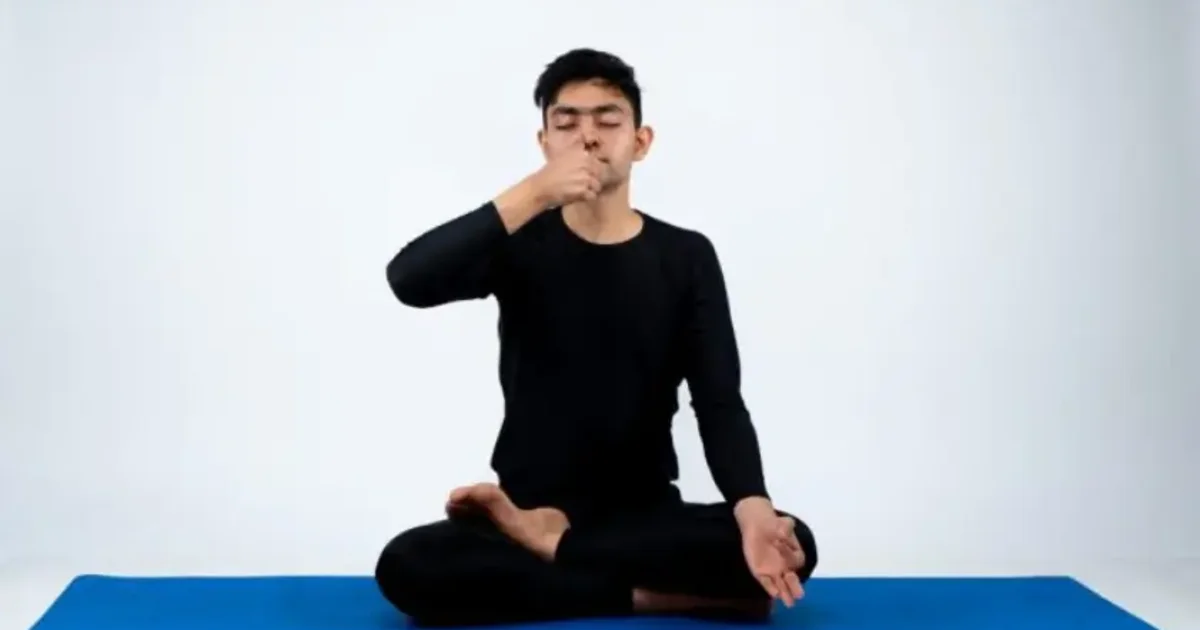
Can you sit comfortably in a chair and relax your body for some breathing exercises? Then this is for you. It is a traditional yogic breathing technique known as "alternate nostril breathing." This practice gently guides the breath through the left and right nostrils. The goal is to balance the body's energies. It has been known to improve focus and concentration in healthy adults. It has also been known to reduce the symptoms of anxiety and depression.
Nadi Shodhana and its link to ancient Indian sages
The origins of Nadi Shodhana can be traced back to the sage Patanjali, author of the Yoga Sutras. He explained yoga principles such as pranayama, or breath control. These are essential to Nadi Shodhana. Sage Adi Shankaracharya, a key figure in Indian philosophy, introduced the concept of Advaita Vedanta. His teachings stressed the unity of all beings. Nadi Shodhana can be seen as a way to reach this unity. It does so by balancing the breath, body, and mind. Patanjali's Yoga Sutras discuss the arousal of Kundalini energy. Nadi Shodhana has a real impact on the nadis, or subtle energy channels. So it is central to preparing the body for the Kundalini ascent.
Foundations of Nadi Shodhana Pranayama
Let us start with the basics.
In Nadi Shodhana, "Nadi" is the Sanskrit word for "channel" or "flow." Think of it as the complex web of channels that carries your body's life force or energy. These pathways are often compared to blood vessels, which carry blood. But they have a different function. They circulate prana, the life-giving energy.
The Pulse of Life
To go a step further, think of "Nadi" as the pulse of your inner energy. Your heart beats to keep your body alive. In the same way, Nadis keep the flow of prana going. This ensures your physical and mental well-being. When these channels are clear and open, your life force flows freely. This promotes health and balance.
Now for the second half of the term: "Shodhana." It literally means "purification" in Sanskrit. Put it together with "Nadi," and the practice becomes clear. Nadi Shodhana is all about cleansing and purifying these vital energy channels. The ancient sages believed that refining the Nadis could lead to a higher state of consciousness. It could also open up the hidden potential within oneself. They understood how the body, mind, and spirit are linked. Nadi Shodhana was their key to keeping this balance.
Modern Interpretation: Alternate Nostril Breathing Exercise
Today, Nadi Shodhana is often known as the "Alternate Nostril Breathing Exercise." It's a simple yet powerful technique. Anyone can practice it, whatever their level of yoga skill. Nadi Shodhana and Anulom Vilom Pranayama share a common goal. Both aim to purify the energy channels and foster balance.
Anulom Vilom Pranayama
Anulom Vilom uses specific hand positions to guide the breath through alternate nostrils. Like Nadi Shodhana, this practice aims to balance the Ida and Pingala Nadis. In Anulom Vilom, the balanced flow of prana brings mind and body into harmony. This makes it a great practice for relaxation and mental clarity.
Benefits of Practicing Nadi Shodhana
- Stress reduction and anxiety relief
- Improved concentration and mental clarity
- Increased lung capacity and better respiratory health
- Enhanced sleep quality and insomnia relief
- Emotional balance and mood stabilization
- Detoxification and lymphatic system stimulation
- Hormonal balance in women
- Improved digestion and reduced digestive issues
- Lower blood pressure and cardiovascular benefits
- Boosted immune system and illness prevention
How to Practice Nadi Shodhana
Pre-practice Preparations
- Posture: Sit comfortably with your spine erect and shoulders relaxed. A comfortable but stable seat is crucial for this practice.
- Facial Expressions: Soften your facial muscles and relax your jaw. Your facial expression should be serene and calm.
The Step-by-Step Process of the Practice
Now, let's get into the details of the practice:
01 - Hand Positioning: Use your right hand to form Vishnu Mudra. Fold your index and middle fingers toward your palm. Leave your thumb, ring finger, and pinky finger extended. This creates a "Y" shape.
02 - Nostril Control: Use your right thumb to close your right nostril. Use your ring finger to close your left nostril. Your thumb and ring finger will take turns opening and closing during the practice.
The Sequence of Breathing:
03 - Close off your right nostril with your right thumb. Inhale slowly and deeply through your left nostril.
04 - Close your left nostril with your ring finger. Release your right nostril. Exhale slowly and completely through the right nostril.
05 - Inhale deeply through the right nostril.
06 - Close off your right nostril and release your left nostril. Exhale through the left nostril. This completes one round.
Completing a Round: Continue this process for 5-10 minutes. Keep a slow and controlled pace. Always finish a round by exhaling through the left nostril.
Remember, Nadi Shodhana is about balance and harmony. So keep a gentle and steady rhythm throughout the practice.
Advanced Techniques and Variations of Nadi Shodhana
The basic form of Nadi Shodhana is open to most practitioners. There are also advanced techniques and variations that can deepen the practice further. It is essential to learn these advanced methods from a qualified yoga teacher or experienced practitioner. This helps ensure safety and effectiveness.
Breath Retention (Kumbhaka)
One advanced variation of Nadi Shodhana adds breath retention, or kumbhaka. After inhaling through one nostril, hold the breath for a few seconds. Then exhale through the other nostril. Breath retention can help enhance lung capacity, mental focus, and energy flow within the body. However, it's crucial to practice breath retention under the guidance of a knowledgeable teacher. This helps you avoid potential risks.
Specific Inhalation-Exhalation Ratios
Advanced practitioners can explore specific inhalation and exhalation ratios during Nadi Shodhana. For example, you might inhale for a count of 4 and exhale for a count of 8. You could also try longer ratios like 1:4:2 (inhale, retain, exhale). These ratios can be adjusted to suit each person's needs. This allows more precise control of energy and relaxation. To use specific ratios well, you need guidance to prevent overexertion.
Visualization and Energy Focus
In advanced Nadi Shodhana, practitioners often add visualization and energy channel awareness. This means focusing on the energy centers (chakras) while doing pranayama. For example, you might picture energy rising through the chakras as you inhale through one nostril. Then picture it coming down as you exhale through the other. This adds a meditative side to the practice and helps with spiritual growth.
Chin Mudra and Bandhas
Advanced variations may include the use of mudras and bandhas. In the Chin Mudra, the index finger and thumb touch lightly. It can be used during Nadi Shodhana to enhance the energy flow. You can also practice Jalandhara Bandha (throat lock) or Mula Bandha (root lock) with Nadi Shodhana. This can intensify its effects. But it should only be done under the guidance of a skilled instructor.
The Rewards of Consistent Practice
In the short term, you will feel immediate benefits. These include reduced stress, increased mental clarity, and improved focus. The gentle act of balancing the breath helps calm the mind. It also prepares the mind for meditation. Over time, you'll notice better emotional stability, improved sleep, and a stronger sense of inner peace.
With regular practice, the rewards multiply. In the medium term, Nadi Shodhana helps bring better respiratory health and enhanced lung capacity. It also helps build a stronger immune system. It helps detoxify the body too. This can lead to clearer skin and a radiant complexion. Your nervous system becomes more resilient. It is better equipped to handle life's ups and downs.
Connecting with Qualified Guidance
Have the rewards of Nadi Shodhana inspired you? Do you wish to explore its depths further? If so, we invite you to consider the 200-hour yoga teacher training in Rishikesh. Rishikesh sits in the foothills of the Himalayas. It is known as the world capital of yoga and spirituality. Here, you can immerse yourself in the birthplace of this ancient art. You can learn from qualified teachers who carry the wisdom of generations. You can read more here
/blog/why-is-rishikesh-most-favourable-place-to-learn-yoga.phpNadi Shodhana, the art of purifying the energy channels, holds age-old knowledge. Regular practice has many benefits for your physical, mental, emotional, and spiritual well-being. It is a complete way of aligning yourself with the universe and your true self. Make it a part of your life. Let its many advantages improve your quality of life.
Watch: Why Healthy Breathing Matters
One of our teachers explains the link between breath and health. A short clip from our school to go with “Mastering Nadi Shodhana Pranayama: An Essential Guide to Alternate Nostril Breathing and Its Ancient Origins”.
