Kundalini Meditation & Yoga
Kundalini meditation and yoga — unlock inner energy, enhance mindfulness, and support holistic well-being. Learn the techniques and benefits.

Have you ever felt like there's a coiled serpent of divine energy just waiting to be awakened within you? Sounds intriguing, right? Well, that's exactly what Kundalini meditation is all about. This ancient practice is shrouded in mystery and steeped in millennia of tradition. It is more than sitting quietly and focusing on your breath. It's about tapping into the primal divine energy at the core of your being. Let's get into the fascinating history of Kundalini meditation. We will also explore its purpose in our modern lives.
The Ancient Roots of Kundalini Meditation
Kundalini meditation has origins lost in the sands of time. It is believed to date back anywhere from a thousand to 5000 BC. The term "Kundalini" itself comes from the Latin word for a spiraling snake. It stands for the untapped energy in every person. This energy is believed to lie at the base of the spine. This meditation tradition aims to awaken this dormant energy. It is as mysterious as it is ancient.
Purpose of Kundalini Meditation
In our daily hustle, it's easy to move through life on autopilot. Driving to work, washing dishes, and even eating can become mindless tasks. But what if you could fill these mundane moments with intention and mindfulness? Enter Kundalini meditation. This practice goes beyond the physical to tap into the primal energy within us all.
Kundalini meditation isn't about following any religious doctrine. It's a universal practice that aims to boost mindfulness and increase awareness. Practitioners focus on awakening the Kundalini energy. In doing so, they set out on a process of change. They unlock potentials they never knew existed. It's about transforming not just the mind, but the very essence of being.
Why Kundalini Meditation Matters Today
In our busy world, finding moments of peace and clarity can be hard. Kundalini meditation offers a sanctuary from the chaos. It is a way to reconnect with the core of our existence. It's not just about reaching a state of relaxation. It's about taking up a deep journey. That journey can lead to genuine insights and heightened states of consciousness.
What stands out about Kundalini meditation is its simplicity and depth. You may be a seasoned meditator or just beginning to explore your inner world. Either way, Kundalini meditation gives you a path to explore the untapped energies within. This leads to a more mindful, intentional way of living.
Kundalini Yoga for Beginners
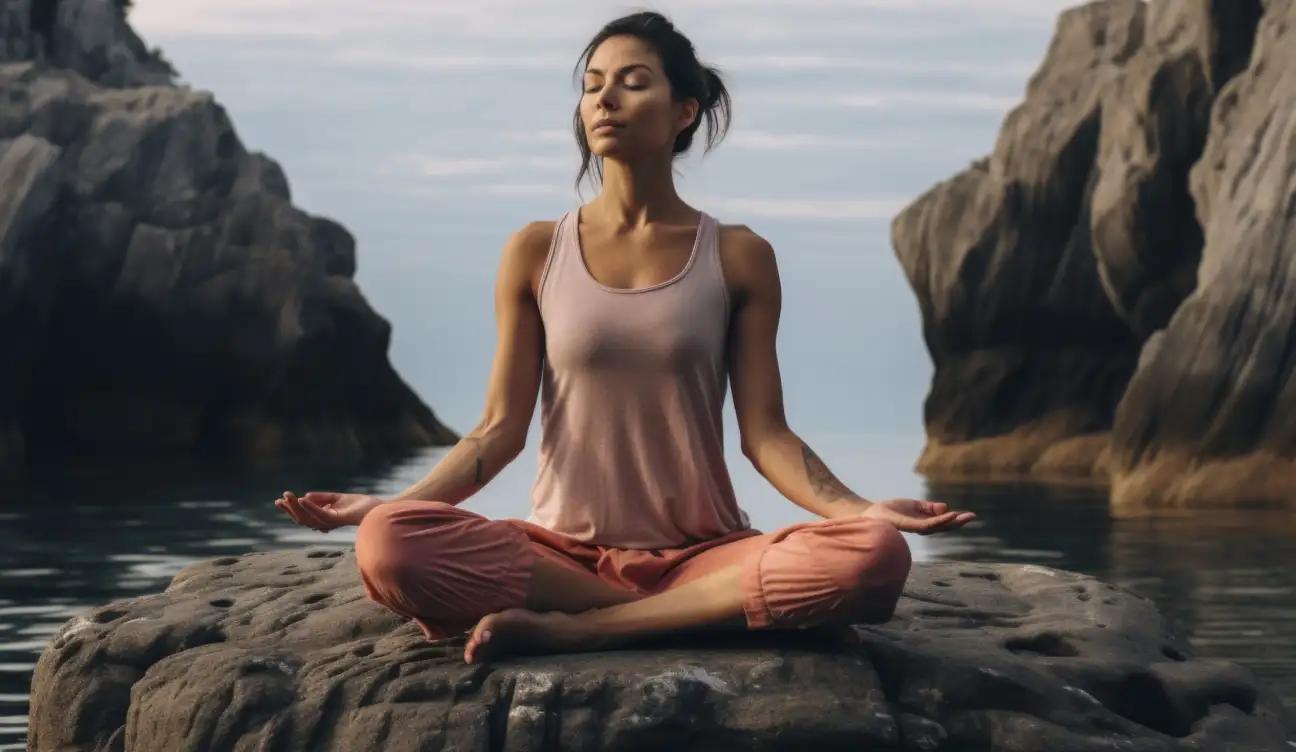
Kundalini Yoga is a form of yoga practice. It includes vocal chants, breath exercises and repetitive poses. The saktis have the aim of activating your Kundalini power. The energy of this spirit lies at the base of your spine and base. Kundalini Yoga helps increase awareness as well as helps you shift away from egos. Frequently practiced practice kundalini yoga may be characterised by yoga in awareness.
The Practice of Kundalini Yoga
Kundalini Yoga combines movement, dynamic breathing techniques, meditation, and the chanting of mantras. One such mantra is "Sat Nam," meaning "truth is my identity." The goal is to awaken the Kundalini energy. It is a dormant spiritual force believed to rest at the base of the spine. Through specific kriyas (sets of exercises) and meditations, practitioners work to release this energy. This lets it rise through the chakras (energy centers) in the upper body throughout. This leads to higher consciousness and spiritual enlightenment.
Advantages of Kundalini Yoga
The benefits of Kundalini Yoga extend far beyond physical health. Practitioners often experience:
- Enhanced Awareness: Regular practice heightens sensitivity to the self and the environment. It encourages a deeper connection to one's inner voice and intuition.
- Emotional Balance: Kundalini Yoga helps in managing emotions and reducing anxiety. It also promotes a sense of inner peace and stability.
- Increased Vitality: Activating Kundalini energy revitalizes the body. It boosts energy levels and overall well-being.
- Spiritual Awakening: This is perhaps the biggest benefit. Kundalini Yoga paves the way for experiencing elevated states of consciousness and spiritual growth.
What Sets Kundalini Yoga Apart
All yoga paths aim to unify the body, mind, and spirit. Kundalini Yoga does so with a specific focus. It aims at awakening and using the Kundalini energy. This focus on energy work sets it apart from other forms. Examples are Hatha or Vinyasa. Those might focus more on physical postures and alignment. Kundalini Yoga has a unique blend of physical exercises, breathing, and meditation. This creates a whole-person spiritual practice. It meets the practitioner's spiritual and physical needs.
The Real Power of Kundalini Meditations
I am a dedicated yoga instructor. I studied at Sanskrit University in India. That gave me a deep understanding of the ancient practices. I've always been fascinated by the life-changing and potential benefits of Kundalini Yoga. This unique form of yoga is known for its power to release and heal the body. It holds a special place among spiritual practices. Let's explore the magic of Kundalini meditations. We will see how they can greatly impact your life.
The Essence of Kundalini Meditations
Kundalini Yoga is not just about physical postures. It's a deeper journey into the realms of energy and consciousness. At the heart of this practice are the Kundalini meditations. They are designed to awaken and channel the dormant energy. This energy sits at the base of the very base of your spine. Imagine tapping into a wellspring of vitality and wisdom. It has been waiting to be discovered within you.
The Impact of Duration on Meditation
What stands out about Kundalini meditations is their versatility. They can have deep effects on the practitioner. This depends on the length of the practice.
- Three-Minute Meditation: Even a short, three-minute session can affect your body's magnetic field. It subtly enhances your aura and presence. It's like giving your energy field a quick, refreshing boost.
- Eleven-Minute Meditation: Committing to an 11-minute meditation can bring significant changes in your body's nerves and glandular system. This duration is perfect for those looking to deepen their practice without overwhelming themselves. It's like a thorough tune-up for your internal systems. It aligns them towards greater harmony and balance.
- Thirty-Minute Meditation: Ready to dive deeper? A 30-minute session energizes the brain and clears the unconscious mind. It's like beginning a cleansing journey. You remove the mental clutter and awaken to a clearer, more lively state of being.
Possible Benefits of Kundalini Meditation
Unveiling the Benefits
Kundalini Meditation goes beyond the physical. It taps into the reservoirs of mental and spiritual well-being. Practitioners awaken the Kundalini energy at the base of the brain patterns the spine. As a result, they often experience a heightened sense of awareness. They also feel a deeper connection to their inner selves. This can lead to:
- Enhanced Clarity and Focus: Imagine going through life with a clear mind. Decisions come from a place of insight and intuition.
- Emotional Balance: It's like finding an anchor in the stormy seas of life. Emotional upheavals are met with resilience and calm.
- Increased Vitality: Picture a wellspring of energy that revitalizes your body, mind, and spirit. It helps you embrace life with zest and enthusiasm.
Possible Kundalini Meditation Risks
Kundalini meditation does not pose a long-term threat. Like with anything physical, it helps to be hydrated and relax if feeling tired. Note that sluggish breathing can cause lightheadedness or dizziness at first. This is an overview of the steps needed to start a basic Kundalini meditation program. Keep in mind that you should start with small things. Pick an effective meditation commitment that is achievable every day. Keep it from getting overwhelming and slowing down the effort. The journey is powerful. Like any exploration of depth, it comes with its cautions.
- Stay Hydrated and Rested: A plant needs water to grow. In the same way, your body needs hydration to support this energy work.
- Be Mindful of Your Breathing: Early practices may stir feelings of lightheadedness. It's the body's way of adjusting to the new flow of energy. Embrace it with patience.
Discovering the Lotus Pose
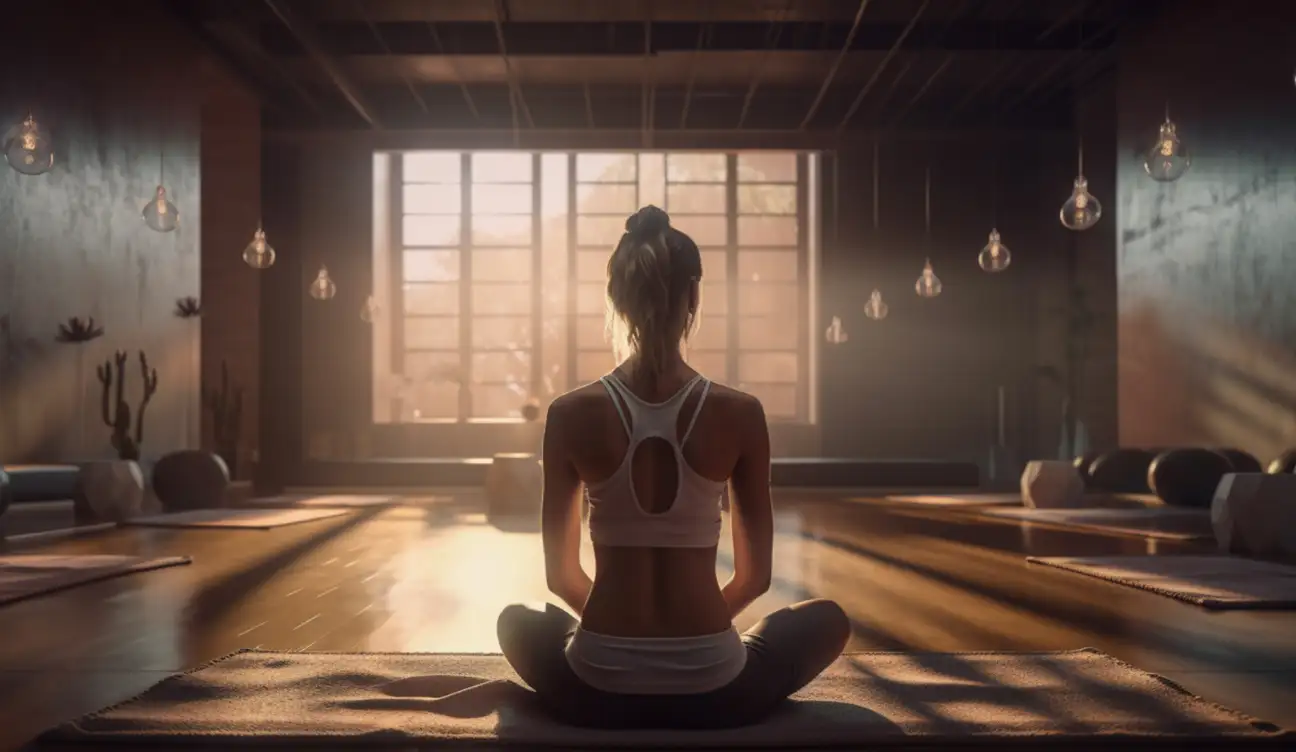
I am a seasoned yoga instructor. I have a deep-rooted passion for the powerful power of yoga. I've always been captivated by the elegance and depth of the Lotus Pose (Padmasana). This iconic posture is celebrated for its peaceful beauty and real spiritual significance. It is more than a physical stance. It's a journey into the heart of yoga's ancient wisdom. Let's unravel the mysteries of the Lotus Pose and how you can embrace its benefits. Stay mindful of your body's limitations as you do.
The Essence of Lotus Pose
The Lotus Pose is prayer pose renowned for its ability to foster deep meditation. It is also known to enhance physical flexibility. You sit upright, with your spine straight. Your feet are tucked on the opposing thighs. This pose symbolizes purity and awakening. It is much like the lotus flower that rises untainted from muddy waters. It's a posture that invites you to open up. Physically, it loosens the hip muscles. Spiritually, it paves the way for a deeper connection with your inner self.
Navigating the Challenges
The Lotus Pose is aspirational for many. Still, it's crucial to approach it with care. This is most true if you're dealing with tightness around the hips. The same goes for existing hip issues. The key is to move slowly and listen to your body's signals. Forcing yourself into the pose can do more harm than good. Patience and gradual progress are your best allies.
Modifications and Precautions
If the full Lotus Pose feels out of reach, don't worry. There are modifications that can help you enjoy its benefits without risking injury. You can start with simpler poses like the Half Lotus, or use props for support. This can give you a gentle path towards the full posture. Remember, yoga is not about pushing your limits. It's about harmonizing with your body's rhythm.
Choose a Mantra

The mantra "Satnam" means "truth is my identity." It serves as a powerful tool to anchor the mind during meditation. Chant this mantra with each inhalation. This invites a lasting sense of awareness and authenticity into your practice. You can say it aloud or silently in your mind. Either way, the vibration of the mantra helps to focus your attention. It also redirects energy towards a state of heightened consciousness.
But the beauty of mantras lies in their versatility. If "Satnam" doesn't connect with you, the world of mantras is vast and varied. The key is to find a word or sound that holds personal meaning. It should align with your intentions and spiritual aspirations. It may be a single word, a phrase, or even a sound. The right mantra will feel like a key unlocking deeper layers of your being.
The Breath of Fire
The Breath of Fire is a dynamic breathing technique. It energizes the body and clears the mind. It has a passive inhalation and a forceful exhalation. This practice engages the abdominal muscles. It creates a rhythm of breath that is both invigorating and balancing. The focus here is not on the speed. It is on the consistency and intensity of both the inhale and breath. This creates an internal heat that purifies and awakens.
Starting slowly is perfectly okay, especially for beginners. The goal is to gradually build up your pace and endurance. Then the Breath of Fire can become a catalyst for deep meditation. You may practice it for 30 seconds or extend it up to 10 minutes. Either way, this breathing technique is a strong ally. It helps in your quest for mindfulness and inner peace.
Integrating Mantras and Breath into Your Practice
Want to use the full potential of these practices? Begin your meditation session in a comfortable seated position. Then choose a mantra that speaks to your heart. As you settle into the rhythm of your breath, introduce the Breath of Fire. Let its energizing pulse guide you deeper into meditation. With each inhalation, silently or softly chant your chosen mantra. This creates a cycle of breath and sound. It wraps you in a cocoon of focused energy.
Stress or distraction may come up. In those moments, return to your mantra and the Breath of Fire. This can be a powerful way to regain your center. It helps you reconnect with your inner calm. These practices are not just techniques. They are gateways to a more mindful, quiet, and enlightened existence.
Difference between Kundalini Yoga and Kundalini Meditation
Kundalini Meditations are included in Kundalini Yogas. You can mix it and experiment. The two substances help the Kundalini energy flow down the spine. Kundalini meditation has been developed using energy-filled breathing techniques. This differs compared to kuddhi yoga which combines physical exercise with yoga. This strengthens the body and aids in releasing sluggish toxins – physical or emotional.
Research on Kundalini Meditation
Kunddalini Meditation has been studied at the early stages. Even so, it appears generally to have positive effects on mental health levels.5. There is evidence of the effectiveness of Kundalini Yoga with other therapies to help people with chronic conditions. There are also claims about its ability to reduce generalized anxiety disorder.
Start to Focus on Your Breath
Notice breathing. Slowing down. You have an intention to only inhale and exhale for about 7 – 8 seconds. Break your exhalation in half and inhale in half. Attempt to achieve this by combining inhalations in deep breaths with exhalations in a full breath. You breathe in it every moment. Immediately stop the practice.
Positioning for meditation practices
Sit comfortably on the floor. You can lie down on a seat for a little help.
Establish deep connection using a mantra
Create a deep connection through the usage of mantra. Keep focusing on the mantra inhalation before exhaling the energies and then let go. Pick something that aligns with your intention to live - for example love and peacefulness.
FAQ
Practice Kundalini in one sitting. Sit straight and comfortably at the waist. ... You focus your attention on that point between your eyebrows and third eye. You breathe in equal parts.
Kundra Yoga has many complexities. It'll take 'not just Chakra activation to get the Kundalini'. It needs integration to become a successful business.
However many practitioners, Kundalini yoga is particularly useful when people want to have a spiritual practice as much as they want to exercise physically.
According to Kundalini yoga teacher, practicing a single day straight will remove negative habits. These are habits blocking growth in the kriya. I only had 40 numbers and I thought it would be an appropriate number.
What is the best method for that? Dress to be comfortable. ... Start by focusing and becoming calm. ... Focus on the thai chakras. ... You could make your mantras. The petty tycoon of the petty tycoon (a smattering of a tycoon), was formerly a member of the petty officers, who were appointed to the petty officers of the Start by breathing deeply. ... Add mudros. Give the breathing space to two equal sections. ... Keep your breath in check for a few deep breaths until the moment your breath goes.
In 10 minutes, the pituitary glandular system and nerve system begin learning and undergoing a transformation. The sympathetic nervous system begins absorbing this increased energy.
Tell me the easiest method you could use right foot to regain kundalini. Love the gods. ... Help people. Maintain good attitude. ... Living with a light. ... ) Become better able to stay informed. The 'Poor' is a term used in the English language. Let me be meditative. ... Do gentle breath exercises, visualization yoga postures, Energize exercise. Chants.
Dawn brings the beautiful positive energy that Dawn brings to this beginner easy kundalini yoga practice class combining Kundalini Yoga with Yoga. She introduces the fundamental of the kundalini practice of yoga for beginners. She also covers concepts that should guide you in every Kundalini class she does. Then she helps to guide you effortlessly with a kriya that's easy to follow. It will bring you deep calmness and concentration.
Kundalini meditation involves the consistent practice of deep breathing, mantra and physical motion. Generally, meditations have the potential to release a dormant energy.
To practice Kundalini meditation at home, follow these steps. They create a helpful setting for your spiritual journey.
- Create a Comfortable Space: Choose a quiet, peaceful spot in your home where you won't be disturbed. You may want to create a small meditation area. Use cushions or a yoga mat for comfort.
- Wear Appropriate Clothing: Opt for loose, comfortable clothing that doesn't restrict your movement or breathing. Comfort is key to maintaining focus during meditation.
- Choose the Right Time: Select a time when you are least likely to be interrupted. This could be early in the morning or late in the evening. A steady practice time can also help build a routine.
- Set Your Practice Duration: Start with manageable intervals, such as 5 to 10 minutes. Then gradually make your meditation sessions longer. Do this as you grow more at ease with the practice.
- Select a Mantra: Mantras are central to Kundalini meditation. Begin with simple, powerful mantras like "Sat Nam" (truth is my identity). They help focus your mind and energy.
- Focus on Your Breath: Begin your session with deep, conscious breathing to center yourself. Pay attention to the feeling of air moving in and out of your body. This prepares your mind for meditation.
- Initiate Kundalini Meditation: With a relaxed body and a focused mind, start your meditation. Focus on your chosen mantra. Picture the Kundalini energy at the base of your spine. See it awaken and rise through your chakras.
- Gradually Deepen Your Practice: As you gain experience, try meditating for longer. Try different mantras, too. You can also add other Kundalini techniques to enhance your spiritual journey.
Kundalini Yoga is a series of six main parts and can be accomplished as follows: Open singing. All classes begin by introducing an opening tune known as tune in. Pranamako is awake. ... Kate. ... Relaxed. ... Meditations. ... Closed screams.
The term practice kundalini meditation comes from Sanskrit words kundal, meaning a coiled snake. kundalini means a snake of energy. It's an illusion to me that we all contain energy coiled snake on the spine. It can be brought through Kundanlini practice to the head.
Breathing in. We opened our HeartCenter. Lift your head covering with your chin up. And then inhale deeply. The time for this?
Your entire physical body and soul undergo enormous internal energy changes. These cause you to feel uncomfortable and move in different directions. Kundalini awakenings can be an important process for enhanced reassurance.
The full breathing cycle is about seven-eight seconds. Approximately two hours. Keeping your fingers firmly pressed will help you recharge. Do you feel dizzy or anxious? Then you can mentally add the mantra "Sa - Ta - Na- Ma" at each inhalation as well as exhalation.
Bring right elbow and your hand to your front left leg, foot and stomach. Keep your abdomen puffy during breath. Then there is the left foot the other side of that.
Watch: Meditation Explained Simply
A teacher explains meditation in simple words. A short clip from our school to go with “Discovering Inner Energy with Kundalini Meditation and Yoga”.
