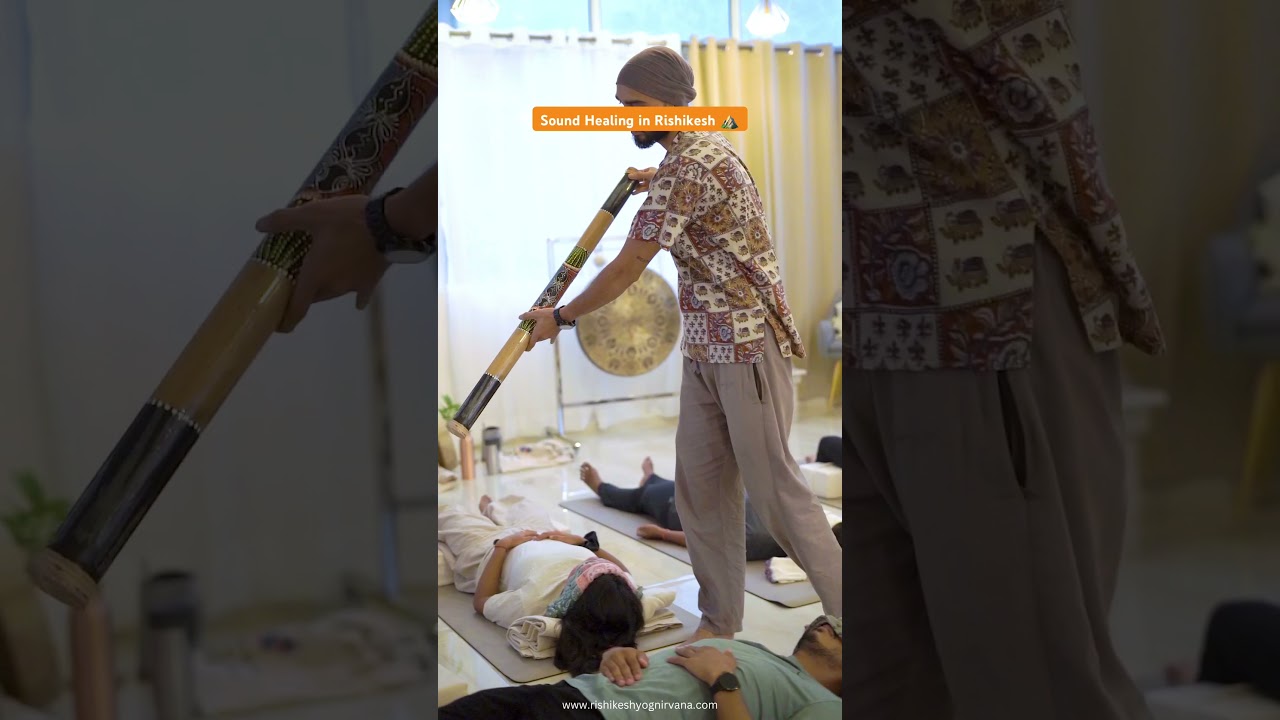
Sound Healing Therapy Explained
Explore advanced Sound Healing Therapy and its benefits for holistic healing in Rishikesh. Learn how sound therapy promotes balance and well-being.

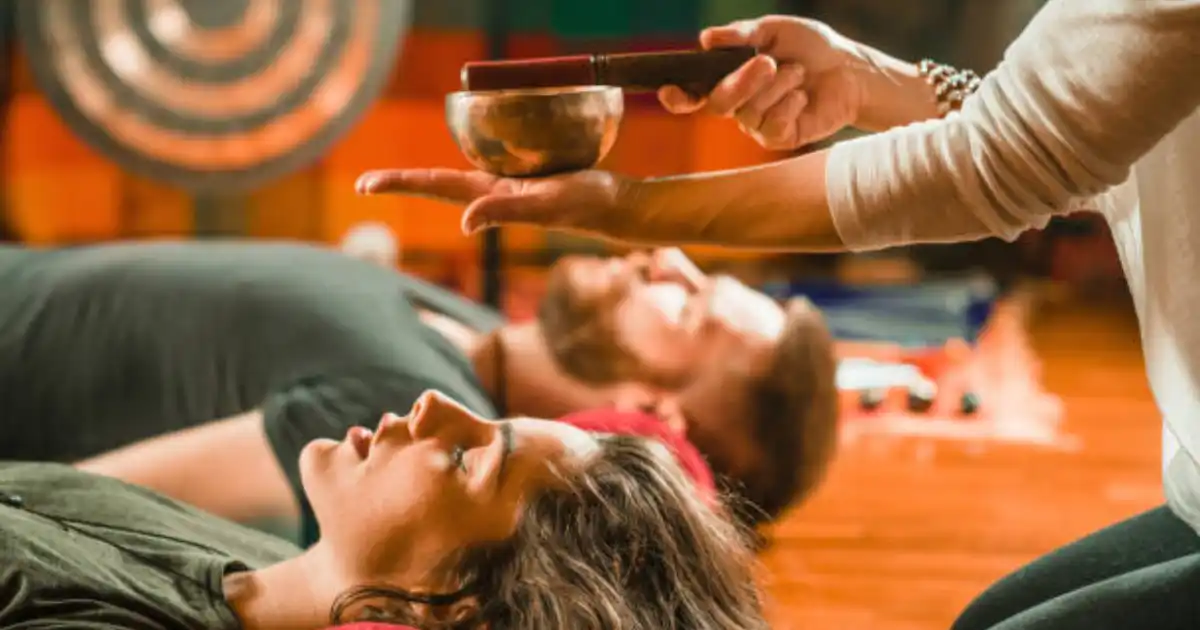
Our world is full of constant noise and stress. People are turning to ancient practices that bring stillness, balance, and harmony. One such method gaining new attention is sound healing therapy. It is a powerful blend of sound and vibration. It aims to restore mental, emotional, and physical well-being. But what exactly is sound healing, and how does it work? Let’s explore this healing practice and the benefits of sound healing for the modern mind.
Understanding Sound Healing Therapy
Sound healing therapy is a complete practice that uses vibrations to promote healing and restore harmony. The vibrations come from instruments such as singing bowls, gongs, tuning forks, and even the human voice. It has deep roots in ancient cultures, including Tibetan, Indian, Egyptian, and Aboriginal traditions.
The core belief is that everything in the universe is always vibrating. This includes the human body. Stress, illness, or emotional challenges can push these natural vibrations out of sync. When that happens, sound therapy can help bring the body and mind back into balance.
With exposure to intentional sound frequencies, the nervous system relaxes. Brainwave activity slows, and the body enters a state of rest and renewal.
How Sound Healing Therapy Works
At heart, sound healing therapy works on the principles of resonance and frequency. Each organ, emotion, and cell in the body vibrates at its own unique frequency. When these frequencies are disrupted, disease or imbalance may arise. Sound healing brings back harmonious vibrations that help reset the body’s internal rhythms.
During a session, you may encounter:
- Tibetan singing bowls or crystal bowls.
- Tuning forks applied near the body.
- Soothing gongs or chimes.
- Gentle vocal toning or chanting.
Sound waves travel through the body. As they do, they can regulate breath, calm the mind, and release emotional blockages. Over time, this encourages the body’s natural self-healing processes both physically and emotionally.
Benefits of Sound Healing Therapy
Relaxation is one of the most immediate effects of sound healing therapy. But its benefits reach much further. After regular sessions, many people report deep shifts in their mental, emotional, and physical well-being.
1. Reduces Stress and Anxiety
Healing vibrations can help the mind shift from overthinking into calm awareness. This can lower cortisol levels and ease tension.
2. Improves Sleep Quality
Sound therapy guides the nervous system into a relaxed state. This helps promote deeper and more restful sleep.
3. Enhances Focus and Clarity
As mental chatter fades, people often find it easier to focus, make decisions, and stay present.
4. Supports Emotional Release
Sound can tap into deeply stored emotions. Many people release pent-up feelings during a session. They feel lighter and more at peace after.
5. Alleviates Physical Discomfort
Some sounds stimulate circulation and reduce muscle tension. This can ease chronic pain or inflammation.
6. Balances the Energy System
Certain frequencies are used to align and cleanse the chakras or energy centers. This restores balance and vitality.
Common Instruments in Sound Healing Therapy
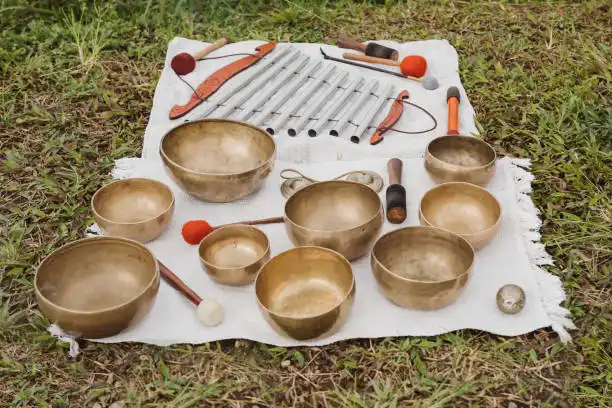
Each tool used in sound healing therapy adds unique vibrations. These serve different healing purposes. Some of the most commonly used instruments include:
- Tibetan Singing Bowls: Known for their grounding, low-frequency hums that promote stillness.
- Crystal Singing Bowls: Made from quartz and aligned with chakra frequencies for energy alignment.
- Gongs: Create deep, wide waves of sound that wash over the body. They break through energetic blocks.
- Tuning Forks: Calibrated to specific frequencies. They are often placed near the body to encourage cellular healing.
- Chimes and Bells: High, delicate tones used to clear the mind and elevate mood.
- Human Voice: Chanting, humming, and vocal toning can be highly personal and powerful. They offer healing from within.
Each of these instruments can be used alone. They can also be combined for a layered, immersive experience.
What to Expect in a Sound Healing Session
A typical session lasts between 30 and 60 minutes. It is held either one-on-one or in a group (also called a sound bath). You’ll usually lie down comfortably, eyes closed, in a peaceful setting.
As the session begins, the practitioner plays instruments in a mindful, rhythmic flow. You may notice:
- Gentle vibrations flowing through your body.
- Deep states of relaxation or meditation.
- Emotional shifts or inner clarity.
- Visual imagery, memories, or dream-like sensations.
- A renewed sense of balance afterward.
Some people feel strong effects right away. Others feel more subtle shifts that unfold over time. Either way, each session offers space for relaxation and healing.
Sound Healing vs. Other Therapies
While meditation, yoga, breathwork, and energy healing all offer powerful benefits, sound healing therapy is unique. It engages the auditory senses and physical body at the same time. The vibrations can reach deep into muscle tissue and energetic layers. This sometimes produces quicker or more tangible results.
Sound healing is not a substitute for medical treatment. Instead, it complements other wellness practices. It creates a supportive space for healing and self-discovery.
Final Thoughts
Many people today feel disconnected from their bodies and overwhelmed by their thoughts. For them, sound healing therapy offers a simple yet lasting way to realign with peace and clarity. The ancient power of sound invites us to pause, listen, and heal. It works not just through words or ideas, but through resonance.
Maybe you're seeking stress relief, emotional healing, better sleep, or spiritual growth. Either way, sound healing can be a deeply nurturing addition to your wellness journey.
Sound is not only heard, it is felt. And in that feeling, true transformation begins.
Frequently Asked Questions
Sound healing is rooted in ancient traditions. Yet modern research supports some of its benefits. This is especially true for reducing stress, improving sleep, and enhancing relaxation. Studies show sound therapy can lower cortisol levels, regulate heart rate, and lift overall mood. However, it’s best viewed as a complementary practice, not a replacement for conventional medicine.
In Traditional Chinese Medicine and Taoist practices, the Five Healing Sounds correspond to specific organs and emotions:
- Ssssss – Lungs (grief).
- Shhhhh – Kidneys (fear).
- Hawwwww – Heart (impatience/hate).
- Whooooo – Liver (anger).
- Heeeee – Spleen (worry).
Chanting or voicing these sounds is believed to help release emotional tension and support organ health.
Absolutely. Many people use singing bowls, sound healing music, or vocal toning at home. It becomes part of their self-care routine.
A sound bath is a group sound healing session. Participants lie down and are immersed in waves of sound from healing instruments. It's called a "bath" because the sound waves wash over the body. This brings on deep relaxation and meditation.
Generally, yes. However, some people should consult a healthcare professional before taking part. This includes people with sound sensitivities, epilepsy, or specific mental health conditions.
Yes! Simple tools like singing bowls, tuning forks, or even your voice can be used at home. Many people integrate sound into meditation, yoga, or relaxation routines.
Watch: Gong Sound Healing
A sound healing session with a gong. A short clip from our school to go with “What Is Sound Healing Therapy and How It Works”.