Yoga for Hypertension
Learn the benefits of yoga for hypertension at Rishikesh Yog Nirvana. Our guided yoga routines can help you manage and lower high blood pressure naturally.
- Why yoga for hypertension?
- Preparatory Practices
- The Importance of Cleansing in Yoga
- Cleansing Techniques
- Breathing and Meditation
- Supplementary Practices
- What to Avoid: Contraindications
- Nourishing the Body: Food Habits
- The Naturopathic Way
Yoga Treatment for Hypertension: A Whole-Person Approach to Heart Health
Beyond its health benefits, yoga can help manage hypertension. This is thanks to its calming, centering effect on the mind. In this article, we look at a detailed yoga treatment program for hypertension. It includes asanas, cleansing rituals, breathing techniques, meditation, and more.
Now you might be wondering, What does hypertension mean? Also known as High blood pressure. It is a chronic disease. In it, the force of blood against your artery walls is high. According to the World Health Organization (WHO), 1.5 billion adults (29%) had hypertension in 2015. Sadly, it is the main contributor to heart attacks, strokes, and other illnesses.
Why yoga for hypertension?
- 1. Yoga combines breath with movement to lower stress and control blood pressure.
- 2. Asanas calm the nervous system and control erratic heart rates.
- 3. Increases immunity. This lowers the risk of heart attack and stroke.
- 4. Restores healthy sleep patterns. This helps with stress-related hypertension.
- 5. Obesity is a major contributor to hypertension. It can be fought with regular exercise and a healthier diet.
- 6. It Instills positivity. It fosters happiness and optimism to control blood pressure.
Preparatory Practices
Before starting your journey, lay a strong base. This lets you progress to intense poses.
Starting with Shavasana Practice for Relaxation (3 minutes)
To begin, lie on your back. A yoga mat or other comfortable surface is ideal. Keep your arms by your sides and your legs extended. Close your eyes and inhale deeply a few times. As you inhale, imagine you are breathing calm and ease into your body. Release any tension or stress you may be carrying as you exhale. You can hold this position for up to five minutes.
Key Asanas for Hypertension
Asanas, or yoga postures, are central to this complete approach. For hypertension, it's crucial to practice these postures at Level 3. This level balances intensity with what suits people managing hypertension.
Essential Asanas
Tadasana (Mountain Pose): This is a basic standing pose that promotes alignment and steady breathing. It strengthens your core muscles and relieves stress and anxiety.
Vajrasana: Taken from the Yoga Sopan book, this series aids digestion. It also improves blood flow to the lower body. It is a series of 15 yoga poses that reduce fatigue and improve sleep.
Pavanmuktasana (Wind-Relieving Pose): It helps ease bloating and helps you relax.
Ardha Chakrasana (Half Wheel Pose): Opens up the chest and improves spinal flexibility.
Anantasana (Side-Reclining Leg Lift): Improves balance and strengthens the core.
Bhujangasana – Shalabhasana – Dhunurasana Series: A series of backbends that stimulate the spine and boost energy.
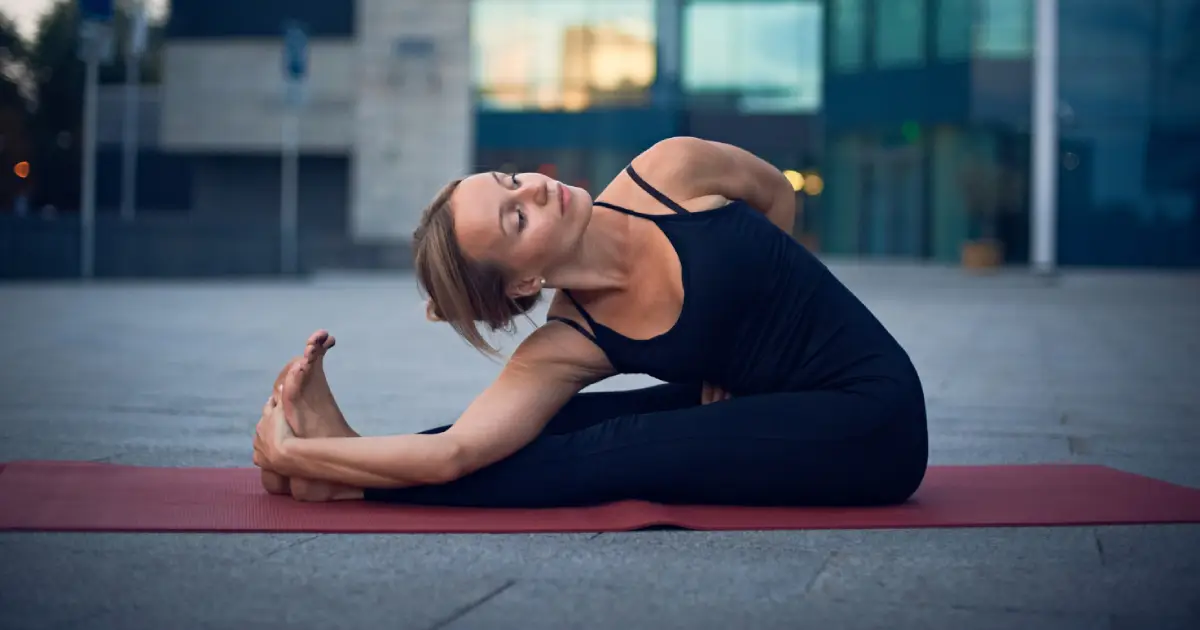
Ardhamatsyendrasana: Practice for one minute on each side to improve spine mobility.
Tadasana – Tiryak Tadasana - Katichakrasana - Trikonasana, – Veerasana: A flowing sequence that improves overall body posture and strength.
Importance of Shavasana: Brief rests in Shavasana between asanas foster relaxation and renewal.
Cleansing Practices
You have probably heard a friend talk about doing a juice fast. That is one method of detoxifying your body. Besides ridding the body of toxins, cleaning techniques help improve mental clarity. There are different kinds, such as herbal, diet, yoga, meditation, and hydrotherapy.
The Importance of Cleansing in Yoga
Cleansing the body supports the heart and blood vessels. This indirectly helps manage high blood pressure.
- Detoxification: Cleansing practices help remove toxins from the body.
- Improved Energy Flow: Cleansing improves the flow of energy through the body.
- Mental Clarity: Cleansing the body can lead to clearer thinking and better focus.
- Supports Digestion: Cleansing techniques can help promote healthy digestion.
- Balanced System: By removing impurities, cleansing adds to the body's overall balance.
- Vitality: Cleansing can lead to more vitality and a sense of well-being.
Cleansing Techniques
Uddiyana Bandha: This abdominal lock massages the inner organs. It aids digestion and detoxification. To practice Uddiyana Bandha, follow these steps:
- 1. Stand or sit in a comfortable position with your spine straight.
- 2. Inhale deeply through your nose.
- 3. As you exhale, draw your abdominal muscles up and in, towards your spine.
- 4. Hold the contraction for 5-15 seconds.
- 5. Release the contraction and inhale.
Jalaneti: Regular practice of this nasal cleansing technique helps clear the airways and reduce stress. To practice Jala Neti, follow these steps:
- 1. Water should be heated to a simmer before cooling.
- 2. Salt the water with a pinch.
- 3. Add the saline water to the neti pot.
- 4. Tilt your head to one side. Insert the neti pot spout into one nostril.
- 5. Pour the saline water slowly into your nostril.
- 6. The water should come out of your other nostril.
- 7. Repeat steps 4-6 on the other side.
Breathing and Meditation
Breathing exercises (pranayama) and meditation play an important role in heart health and in managing hypertension.
The Role of Pranayama in Hypertension
Deep Breathing and Anulom Vilom: Fifteen minutes of these practices improve oxygen supply and help you relax.
Ujjayi Pranayama without Kumbhak: A ten-minute practice that soothes the nervous system.
Sheetali and Bhramari: Cooling breaths and humming bee breath reduce stress.
The Power of Meditation
Focusing on the Anahat Chakra: The heart chakra stands for love and compassion. It aids emotional well-being.
Using the Mantra “Yam”: Focusing your mind with the mantra "Yam" builds calm and centeredness.
Supplementary Practices
Extra techniques can further boost your heart health.
Yoga Nidra and Stress Relief
- Understanding Yoga Nidra: Yoga Nidra is also known as yogic sleep. This guided relaxation technique calms the mind and reduces stress.
- Its Role in Hypertension Management: Yoga Nidra improves sleep quality. This indirectly helps blood pressure control.
The Significance of Walking
Walking for 60 minutes a day adds to your yoga practice. This low-impact exercise promotes healthy circulation and heart function overall.
What to Avoid: Contraindications
When using yoga for hypertension, you need to know clearly what to avoid. Some poses and practices might not suit your body's needs here.
Asanas to Steer Clear From
Yoga offers many benefits. But people with hypertension should avoid certain asanas or approach them with caution. Take care with poses like Sarvangasana (Shoulder Stand), Halasana (Plow Pose), and Shirshasana (Headstand). The same goes for their variations. These inversions can raise blood pressure and strain the cardiovascular system.
Pranayama Contraindications
Likewise, some breathing techniques in pranayama can worsen high blood pressure. Avoid practices with forceful or rapid breathing, as they may raise blood pressure. It's vital to consult a qualified yoga instructor or healthcare professional. They can guide you to pranayama practices that suit your condition.
Nourishing the Body: Food Habits
Managing hypertension goes beyond the mat. It also covers the food choices that add to your overall well-being.
The Ideal Diet for Hypertension Patients
A key part of managing hypertension is eating the right diet. Choose foods that are rich in fiber, low in fat, and low in carbs. Fruits and vegetables matter for regulating blood pressure. They are high in essential nutrients and antioxidants.
Foods and Habits to Avoid
Steer clear of non-vegetarian foods. They can be high in saturated fats. Also limit dairy products, especially full-fat ones. Refined foods are loaded with excess salt and unhealthy fats. They can contribute to high blood pressure. Be mindful of what you eat. This is a big step toward supporting your heart health.
The Naturopathic Way
Naturopathy uses natural methods to heal the body. These include diet, exercise, and natural remedies. The idea behind it is that the body heals itself from its imbalance. Doctors often prescribe nutritious diets, herbal therapy, and massages.
How does Naturopathy align with Yoga?
Body wraps, cold water waist baths and hot water baths are all common naturopathic treatments. These methods improve blood flow, help the body detox, and add to general vitality.
Beneficial Diet Tips from Naturopathy
A healthy diet is a key part of Naturopathy. Here are some specific diet tips:
- Eat vitamin-rich fruits. Bananas and Watermelon maintain healthy blood pressure.
- Leafy vegetables like Spinach, kale, and Swiss chard are rich in minerals.
- Berries with flavonoids.
- Nuts and Seeds such as Almonds, walnuts, chia seeds, and flaxseeds improve cholesterol levels.
- Unpolished rice and millet.
- Dark Chocolate.
Conclusion
Finally, using yoga to manage hypertension is complete and enlightening. It combines mindful asanas, the right pranayama, nourishing food choices, and naturopathy. Together, they create a thorough approach to heart health. But it is important to stress this. Yoga should be used together with medical advice. Yoga can be an effective tool. But working with medical experts guarantees the best results for your health. Keep in mind that this journey is personal. Embrace yoga's power to transform. You will take a big step toward a healthier, more centered life.

Train with Us in Rishikesh
Enjoyed “Yoga for Hypertension”? Learn it in person with our teachers at our school in Tapovan, Rishikesh. Courses start on the 1st of every month.