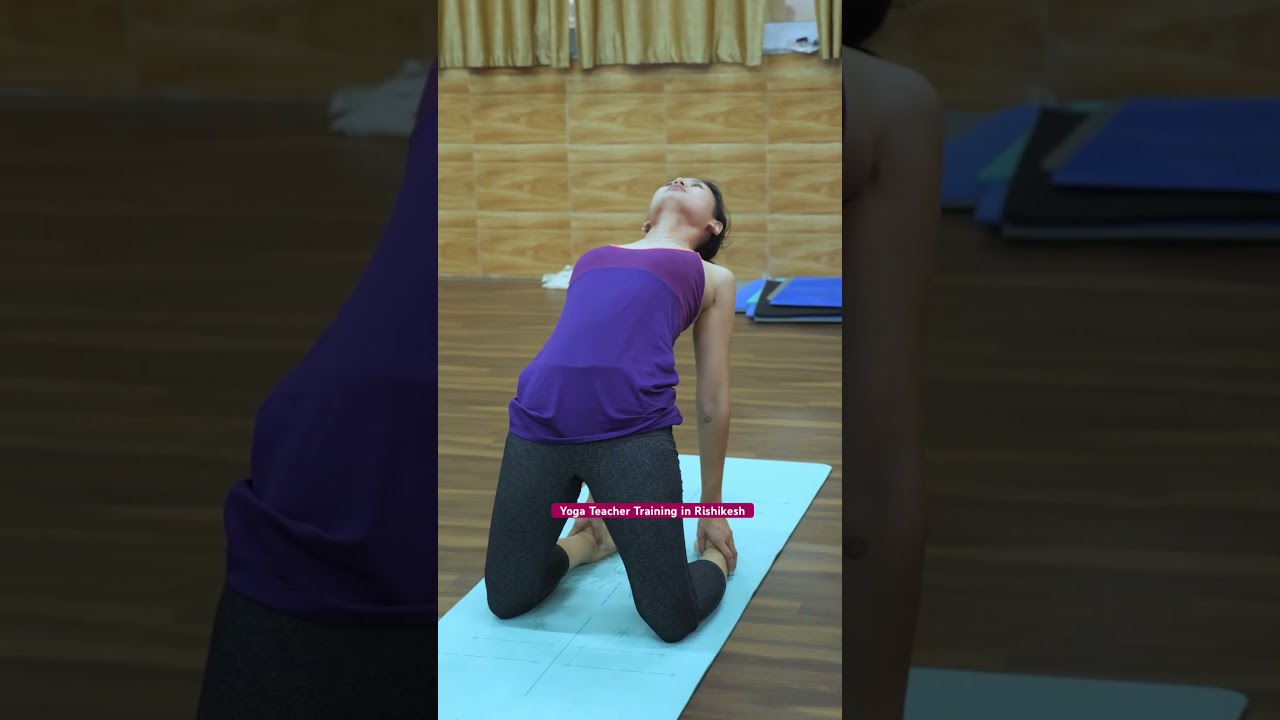
Camel Pose (Ustrasana) in Yoga
Ustrasana (Camel Pose) step by step: how to enter safely, what it opens in the chest and hip flexors, common alignment mistakes, and who should avoid it.
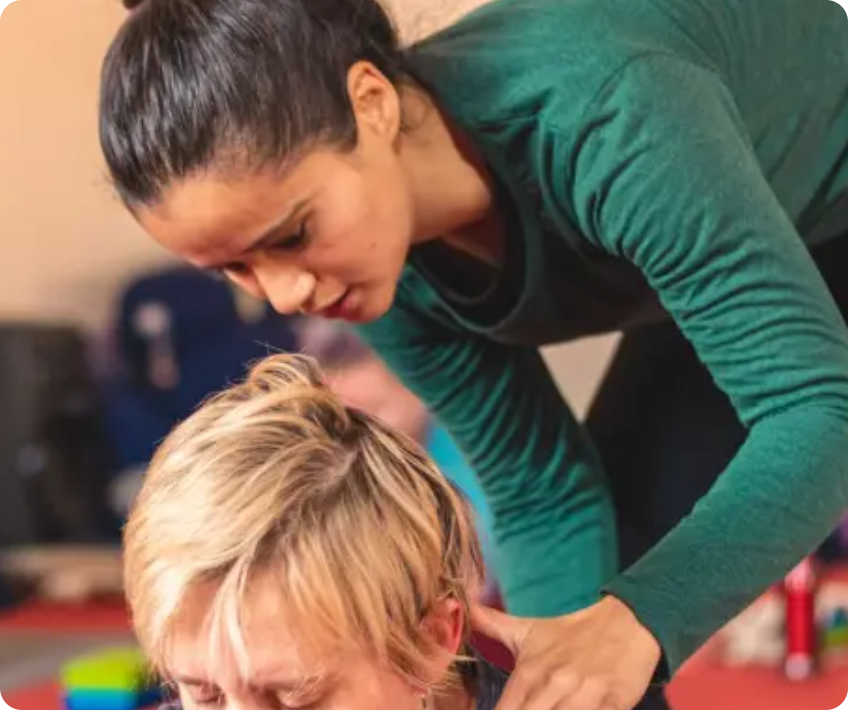
Are you sick of sitting like a pretzel at your desk?
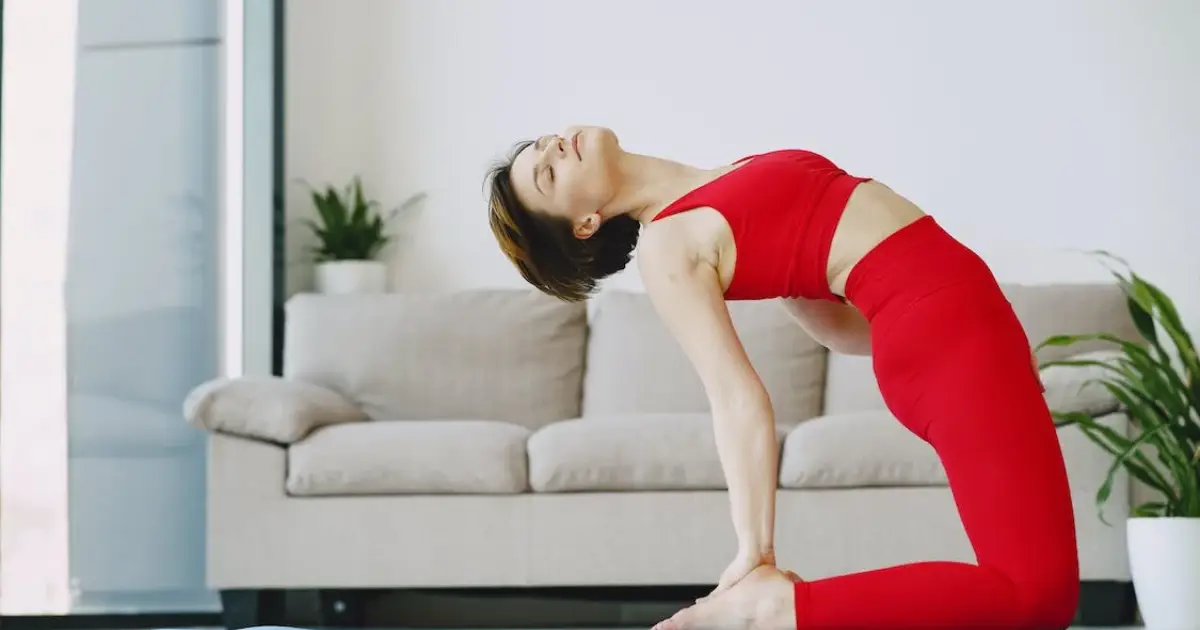
Enter Ustrasana, the yoga pose that straightens things out, literally!
Ustrasana goes by many names, including the Camel Pose. It is an energizing backbend that opens the heart.
It is said to be one of the best yoga poses for relieving tension, stress, and anxiety. To minimize stress, you must do it correctly. The key is to focus on lengthening and lifting before arching into the pose.
Regular yoga can help business professionals with both their physical and mental health. Rishikesh Yog Nirvana gives full instruction on how to do Ustrasana correctly. This can promote well-being in business professionals. With our guidance, you can master Ustrasana and unlock flexibility and strength. You can also achieve a balanced mind and body.
Understanding Ustrasana
Camel Pose is known in Sanskrit as Ustrasana, which translates to "camel pose" in English. The name fits well, as the posture looks like the arched back of a camel. "Ustra" means "camel" and "asana" means "pose" or "seat" in Sanskrit.
A deep backbend that stretches and tones the entire back, including the core muscles, is called an asana. The hips, shoulders, and chest are also opened up. People who have a hunched posture and tight hamstrings will benefit most from this pose.
Benefits of Ustrasana
- Improves flexibility in the spine, hamstrings, hips, and chest.
- Strengthens the core muscles.
- Opens up the heart and lungs.
- Enhances posture.
- Boosts energy levels.
- Reduces stress and anxiety.
Physical Benefits for Desk-Bound Professionals:
Address Posture Problems: The deep backbend of the Ustrasana stretches the shoulders and chest. This offsets the effects of long hours of sitting and improves posture in general.
Boost Spinal Flexibility: This pose stretches the whole spine, step by step. It releases tension and adds flexibility, which lowers the risk of neck and back pain.
Strengthen Core Muscles: The Ustrasana posture works the core muscles. This helps to build overall core strength, reduce the risk of backaches, and stabilize and support the spine.
Spiritual Benefits for Business Professionals:
Encourage Self-Awareness: The mindful practice of Ustrasana promotes introspection and self-awareness. It helps business professionals better understand their motivations, emotions, and stressors.
Boost Emotional Intelligence: Good leadership and good relationships with others depend on one's ability to control emotions and show empathy. The relaxing effects of ustrasana can promote emotional intelligence. This leads to more harmonious and fruitful interactions.
Build Inner Peace: Ustrasana's meditative side builds inner calm and balance. This helps businesspeople deal with the pressures of the corporate world with more strength and poise.
To explore the deeper impacts of yoga, including its spiritual benefits, visit How Yoga Can Help Us Grow Spiritually.
Mastering Camel Pose: A Step-by-Step Tutorial
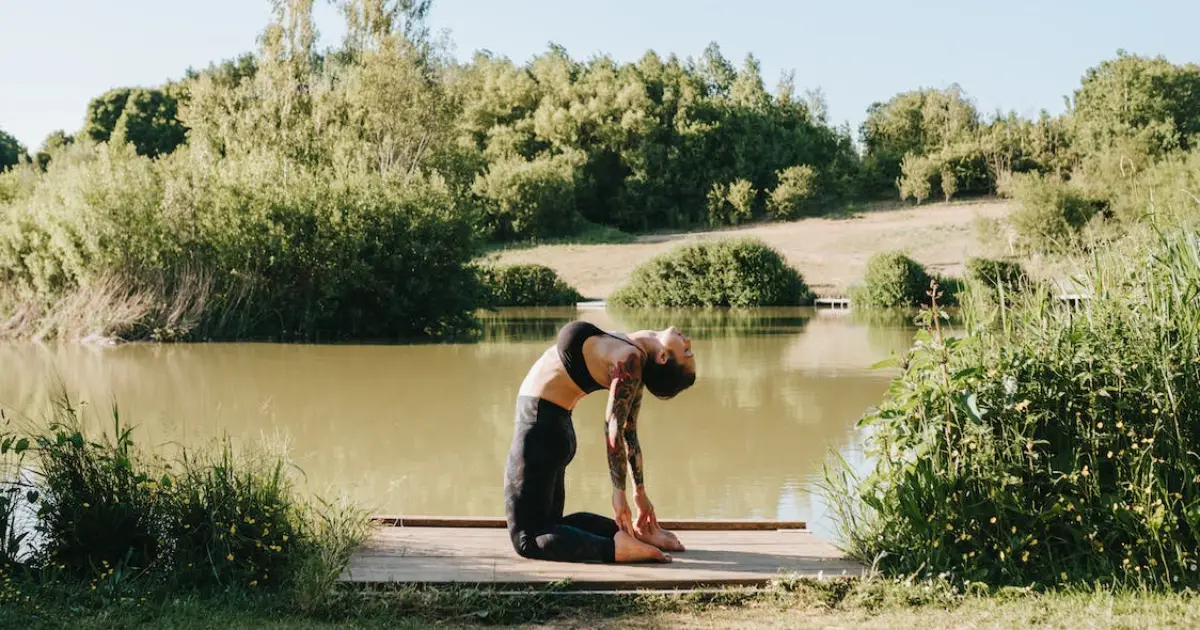
- 01. Kneel on the floor with your knees hip-width apart and your toes pointed.
- 02. Sit back on your heels, ensuring your thighs are perpendicular to the floor.
- 03. Place your palms on your hips and inhale deeply. Lift your chest and draw your shoulders back.
- 04. As you exhale, gently lean back. Keep your spine long and your hips tucked under.
- 05. Reach back with your right hand and grasp your right heel. Repeat with your left hand and left heel.
- 06. Press your hips forward, keeping your thighs vertical and your chest lifted.
- 07. Bend your head back and let your gaze drift up.
Tips for Optimal Alignment
- To protect your lower back during the pose, tighten your core muscles.
- Keep your neck in a neutral position. This avoids too much strain on your cervical spine.
- Use a folded blanket or blocks as support if your heels are too high for you to reach.
- As you hold the pose, breathe slowly and deeply. This helps your body release tension and become more flexible.
Modifications for Beginners
If you're new to yoga or have tight hips, try these changes to ease into Ustrasana:
- Reduce the depth of the backbend by placing a block under your heels.
- For added support, keep your hands on your lower back.
- Try not to force the whole arch. Instead, focus on lengthening your spine.
The importance of preparatory poses
Preparatory poses slowly loosen and stretch the muscles used in Ustrasana. This prepares the body for a safe and efficient backbend. Padangusthasana, or the Toe Pose, is one of the many preparatory poses particularly useful for warming up for Ustrasana.
Padangusthasana, also called the Big Toe Pose, is a standing forward bend. It stretches the hamstrings, calves, and lower back. This prepares these muscles for the deeper stretch of Ustrasana. Here, you can find A step-by-step breakdown of the Padangusthasana pose.
Balancing Business and Well-Being: Integrating Ustrasana
Oxygenating the Muscles
Your muscles are working in unison to strengthen and stretch during Ustrasana. When you take a deep breath, you send a surge of oxygen-rich blood to these muscles. It gives them the energy they need to do their work well. The oxygen-rich blood flushes out metabolic waste products, which lessens muscle soreness and fatigue.
Maintaining Spinal Alignment
The breath serves as an anchor during the deep backbend. It helps to keep the spine aligned and reduce strain. Breathing in, you push your chest forward and fill your lungs. This opens up the front of your body. It promotes a neutral and secure spinal alignment. It balances the urge to round the back and hunch the shoulders.
Breathe with Awareness
Focus on your breathing, the synchronized movement of taking in and releasing air. Notice how the breath guides your movement. It lifts your chest as you inhale and lengthens your spine as you exhale.
Embrace Emotional Fluctuations
During Ustrasana, feelings can come up. They can range from anxiety and discomfort to excitement and a sense of success. Just notice these feelings as passing clouds in the wide sky of your awareness. Let them come and go without judgment.
Counter Poses and Cool Down
Counter poses are asanas that softly offset the stretch of the previous pose. They give the body a sense of balance and rest. Two counterposes to Ustrasana are especially helpful after it:
Paschimottanasana (Intense Seated Forward Bend)
This forward bend lengthens the spine, hamstrings, and lower back. It also offsets the backbend of Ustrasana and encourages relaxation.
Balasana (Child's Pose)
This healing pose offers a mild release for the whole body. It lets the muscles loosen up and the nervous system settle.
Eagle Pose, or Garudasana, is a difficult balancing pose that works many of the same muscles as Ustrasana. Practicing Garudasana after Ustrasana can further enhance flexibility, balance, and focus. Find out more about Garudasana and its benefits.
Anatomy and Ustrasana
Primary Muscle Groups Engaged
Quadriceps: The quadriceps sit at the front of the thighs. They stabilize the knees and hold the thighs in the pose isometrically.
Gluteus Maximus: The gluteus maximus is a large muscle at the rear of the hips. During the backbend, it helps to extend the hips and keep the spine neutral.
Erector Spinae: The erector spinae are a group of muscles along the back of the spine. They work together to extend the spine and keep a healthy backbend curve.
Secondary Muscle Groups Engaged
- Hamstrings: The hamstrings are at the rear of the thighs. They expand as the hips and knees open up.
- Adductors: The inner adductors of the thighs help to keep the thighs aligned and stop them from spreading outward.
- Rhomboids: The rhomboids sit in the space between the shoulder blades. They support the protraction of the shoulder blades and the retraction of the shoulders.
- Abdominal Muscles: The abdominal muscles include the rectus abdominis, obliques, and transverse abdominis. Throughout the pose, they contract to support and stabilize the lower back.
Conclusion
Do you want to improve your posture and reduce stress? Ustrasana, also known as Camel Pose, might be the perfect yoga pose for you. This energizing backbend stretch opens the chest and relieves tension. That makes it a great exercise for those who spend long hours sitting at a desk.
Ustrasana stretches and tones the back, core, hips, and chest muscles. At the same time, it boosts energy levels and improves posture. Through regular practice, it can increase flexibility and reduce stress and anxiety.
Want to learn how to do Ustrasana correctly? Rishikesh Yog Nirvana offers full guidance and yoga courses. They can help you achieve a balanced mind and body. Check out our resources to learn more. See what you are capable of, with a whole-person approach to well-being.
Watch: Camel Pose in Class
Camel pose (ustrasana) during an asana class. A short clip from our school to go with “Unlocking Flexibility and Strength: A Complete Guide to Mastering Ustrasana (Camel Pose) in Yoga”.