Chandra Bhedana Pranayama
In the realm of yoga, Chandra Bhedana Pranayama stands out as a profound practice that embodies the timeless wisdom of ancient yogic traditions.
Introduction to the Art of Chandra Bhedana Pranayama
Embracing Ancient Wisdom for Modern Well-being
Chandra Bhedana Pranayama is one of the older cooling breath practices. It has kept its place in yoga for good reason. Below we look at where it comes from and how to do it. We also look at what it does to the body and mind.
The Essence of Chandra Bhedana Pranayama
Meaning and Significance
- "Moon Piercing" — what the name means: Chandra Bhedana translates as "Moon Piercing." The image is of breaking through the surface layers of the mind. You reach the cooler, quieter energy the moon stands for. In practice it works against the body's own heat. It settles you down.
- Working with lunar energy: The practice balances Ida Nadi, the lunar channel in yogic physiology. Ida governs the cooler, more reflective side of the mind. That is why this breath turns attention inward.
Historical Roots
- Where it comes from: Chandra Bhedana appears in the Hatha Yoga texts, the Hatha Yoga Pradipika among them. Those texts set out most of what we still practise. They treat breath as the lever that balances the body's energies.
- Carried down the generations: Yogis have used this pranayama for centuries. They use it to settle mind and body together. It has been refined along the way. But its core has not changed, even as our grasp of physiology has.
Exploring the Practice
The Technique: A Step-by-Step Guide
- Setting up: Sit comfortably with a straight spine and loose shoulders. Pick a quiet spot where no one will disturb you.
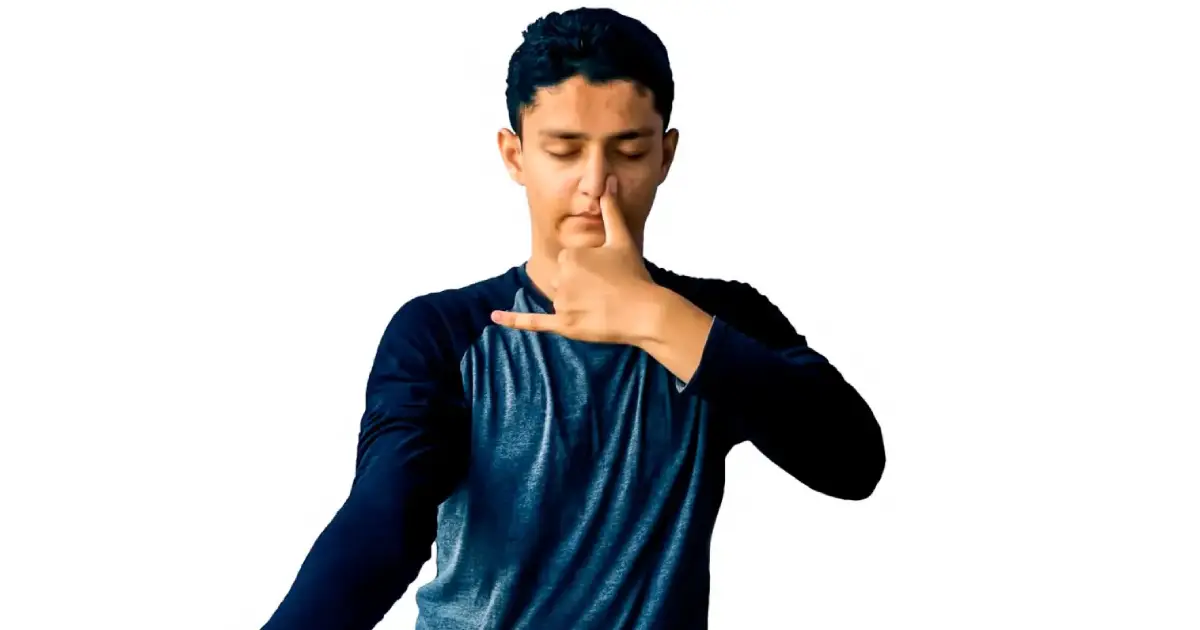
- The method: Close the right nostril and breathe in slowly through the left. That in-breath is the cooling, lunar half. When the breath is full, close the left nostril and breathe out through the right. Let heat and tension go with it.
- How long: Repeat the cycle for five to ten minutes. Adjust to your own comfort and experience.
Delving Deeper into the Technique
Chandra Bhedana is a breathing technique, but it reaches further than that. It reaches into the subtler energies and into stillness. Next come the advanced variations, and how to fit the practice into a normal day.
Advanced Steps and Variations: Elevating the Practice
- Adding Bandhas: Skilled practitioners can bring in energy locks (Mula Bandha at the root, Jalandhara Bandha at the throat). These sharpen the practice a great deal.
- Mula Bandha: Drawing up the pelvic floor during retention focuses the flow of prana. It increases its effect.
- Jalandhara Bandha: Lowering the chin a little towards the chest during retention tightens the focus. It holds the energy in.
- Longer retention: With experience you can safely extend Kumbhaka. This means both Antar Kumbhaka after the in-breath and Bahya Kumbhaka after the out-breath.
- Visualisation: Picture cool moon energy coming in and solar heat leaving. This takes the practice closer to meditation.
- With meditation and mantra: Move straight from the pranayama into meditation or chanting. This carries the effect further.
Integration in Daily Practice: A Part of Life’s Rhythm
- After strong practice: End a Vinyasa or Ashtanga session with Chandra Bhedana. It brings the body's heat back down.
- In the morning: A few minutes on waking sets a steady tone for the rest of the day.
- In the evening: Practised at night, it lets the day's stress go. It also prepares you for sleep.
- Under pressure: It is quick enough to use in a hard moment. And it works.
Addressing the Challenges: Fine-Tuning the Practice
- Physical limits: The advanced variations do not suit everyone. This is most true for anyone with a respiratory condition. Listen to your body and adjust.
- Patience: Progress comes from turning up regularly. The deeper effects take their time.
- Individual differences: No two people respond the same way. Shape the practice around your own constitution.
The Science Behind the Practice: Understanding the Impact
- The autonomic nervous system: The advanced techniques act on the autonomic nervous system. In particular, they act on the parasympathetic side that governs rest.
- Neuroplasticity: Sustained practice appears to change the brain in ways that improve emotional control and resilience to stress.
- The endocrine system: There is evidence that these practices affect hormonal balance, and through it general health.
Practised carefully and worked into daily life, Chandra Bhedana stops being an exercise. It becomes something you rely on. You rely on it for physical health, for a clear head, for steadier emotions, and for whatever spiritual work you are doing. The more you practise it, the more it gives back.
Comprehensive Benefits Explored
1. Complete Health: The Multi-Dimensional Healer
- Cooling and soothing: Chandra Bhedana is known above all for bringing body temperature down. This makes it useful against excess heat and internal inflammation.
- Digestion: By settling the nervous system, it improves digestion. It helps with acidity and indigestion in particular.
- Breathing: Regular practice gently strengthens the lungs and airways. This suits anyone with mild respiratory trouble.
- The heart: As the mind and body calm, blood pressure and heart rate tend to fall.
2. Emotional Balance: The Path to Inner Peace
- Mood: The practice steadies mood. It takes the edge off swings and instability.
- Stress: It reduces stress and anxiety reliably. It leaves you settled.
- Resilience: Practised regularly, it builds emotional steadiness. This makes the hard days easier to take.
3. Cognitive Clarity: Sharpening the Mind
- Concentration: It gathers a scattered mind. This makes work and study easier.
- Memory: Recall and retention improve. This is useful for students and anyone whose work depends on it.
- Mental agility: It keeps thinking flexible. This helps you adapt quickly and solve problems.
4. Energy Regulation: Balancing the Subtle Body
- Harmonizing Ida and Pingala: Chandra Bhedana matters for balancing the Ida (feminine, lunar energy) and Pingala (masculine, solar energy) Nadis. This ensures a harmonious energy flow.
- Energizing Effect: While it cools the body, it also revives the energy channels. This removes lethargy and fatigue.
- The subtle body: Regular practice wakes up and regulates the flow of prana through the Nadis. Vitality follows.
5. Spiritual Awakening: The Gateway to Higher Consciousness
- Before meditation: Chandra Bhedana prepares the mind well. That is why it works so well as a lead-in to sitting practice.
- Stillness and connection: The practice builds a real sense of peace. It also builds a sense of connection, to yourself and to everything else.
- Kundalini: In Tantra Yoga it is held to help wake Kundalini energy. It is also held to support spiritual growth.
In-Depth Analysis: Understanding the Mechanisms
- Physiologically: Chandra Bhedana acts on the autonomic nervous system. It shifts you out of the sympathetic stress state and into the parasympathetic one.
- Neurologically: Research suggests it changes brainwave patterns. It seems to encourage the alpha and theta waves linked with relaxation and alert awareness.
Practical Integration: Bringing Chandra Bhedana into Everyday Life
- Start small: A few minutes a day is enough at first. Lengthen it as it becomes comfortable.
- Pay attention: Notice how your body and mind respond. Shape the practice around what you find.
- Keep at it: Regular practice is what makes the difference. That is why it belongs in any serious wellness routine.
The Science Behind the Practice
Physiological Insights: Current research looks at how Chandra Bhedana acts on the autonomic nervous system. It also looks at its effect on stress and heart rate.
Neurological Impact: Studies point to changes in brainwave patterns. They also point to the relaxation and mental clarity that follow.
Integrating with Other Yogic Practices
Complementary Asanas and Pranayamas: Paired with the right asanas and other pranayamas, its effects compound. The practice becomes a rounded one.
Meditation and Mindfulness: It prepares the ground for meditation. The sitting that follows tends to be steadier and more centred.
Safety Guidelines and Precautions
Understanding Limitations: It is a safe practice. But work under guidance and know the contraindications. This matters most if you have an existing health condition.
Chandra Bhedana in Daily Life
Practical Applications: Practised day to day, it improves how you handle stress. It steadies your emotions and brings you closer to yourself.
Creating a Routine: Practical ways to fit Chandra Bhedana into a normal routine, so that it lasts.
Chandra Bhedana Pranayama has survived because it works. It is not only a physical exercise and not only a mental one. Practised properly, it changes how you feel in yourself. Balance, clarity and calm come out of it. So does a closer connection to what is going on inside you and around you. Keep practising it and it keeps opening up.
Watch: Why Healthy Breathing Matters
One of our teachers explains the link between breath and health. A short clip from our school to go with “Embracing Tranquility: Deepening the Journey with Chandra Bhedana Pranayama”.
