Cow Face Pose (Gomukhasana)
Welcome to the enchanting world of Gomukhasana, the Cow Face Pose, a yoga asana that beautifully blends balance and flexibility.
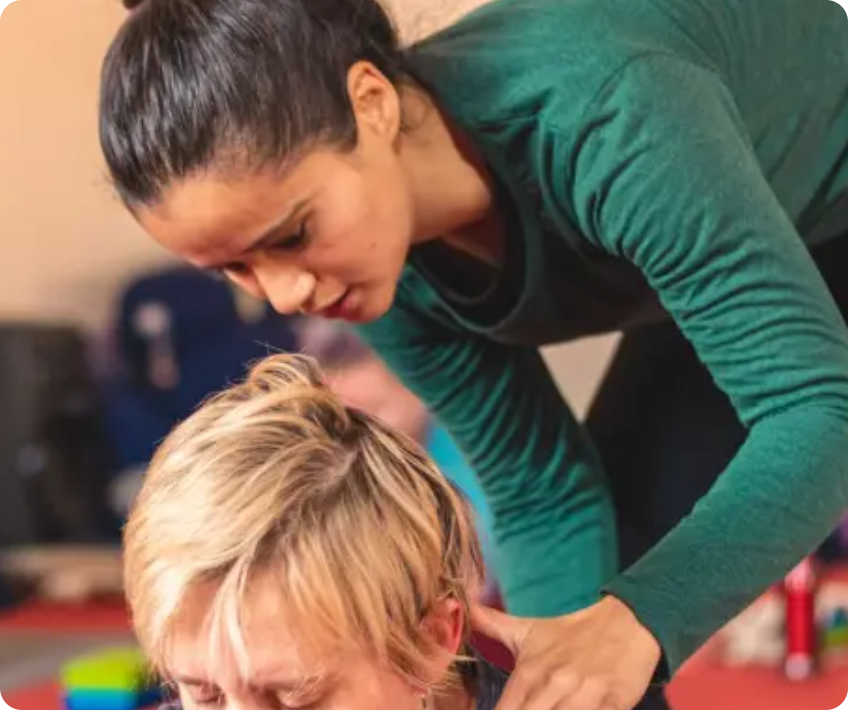
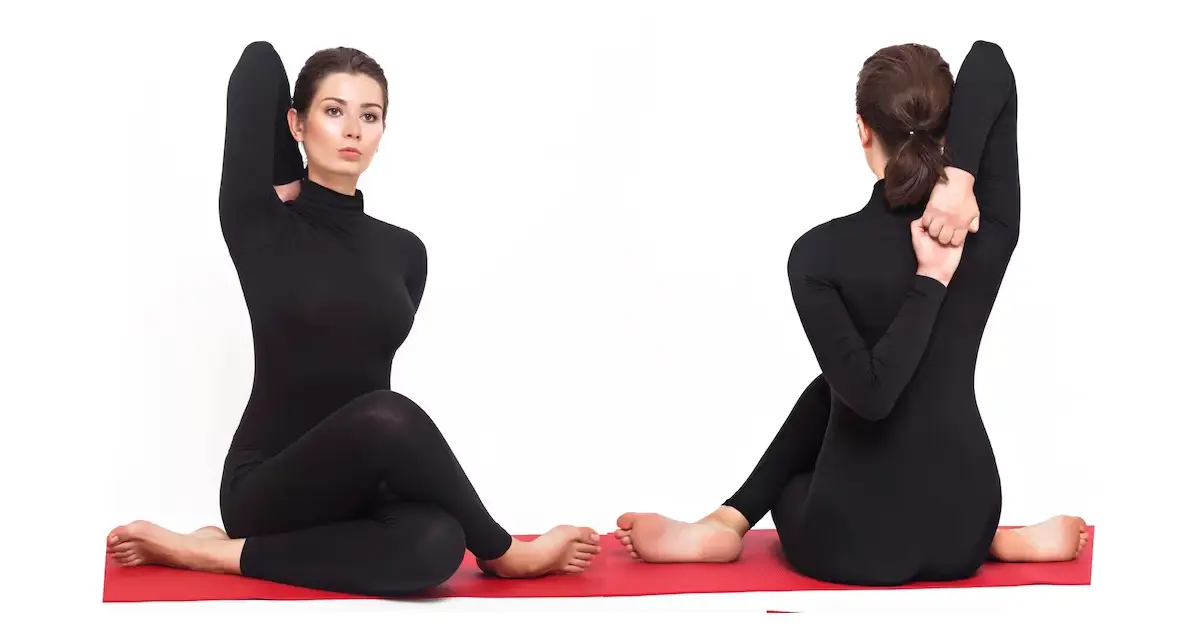
Welcome to the world of Gomukhasana, the Cow Face Pose. This yoga asana blends balance and flexibility. The pose offers a mix of stretching and strengthening. It suits yoga lovers at any level.
The Essence of Gomukhasana
At a glance, Gomukhasana may seem like a simple seated pose. But it is much more than that. This asana is a journey to find symmetry in your body and explore its potential. The name comes from Sanskrit. 'Go' means cow, 'Mukha' means face, and 'Asana' means pose. The Cow Face Pose looks like a cow's face, due to the unique way you place your legs and arms.
Significance in Yoga
Gomukhasana stands out in yoga because it works on many body parts. This asana is not just a pose. It is a full experience that nurtures both body and mind. It targets your ankles, hips, thighs, shoulders, and arms. So it is a whole-body practice.
Gomukhasana is useful in today's desk-bound life. It counters the downsides of long hours of sitting. It opens up often-missed areas like the hips and shoulders. It also works the triceps and the rotator cuff. This gives a rewarding stretch to the upper body.
A Pose for Every Body
The real charm of Gomukhasana is that anyone can do it. You may be new to yoga or have practiced for years. Either way, you can adapt this pose to your level. For beginners, it is a great first lesson in balance and body awareness. It asks you to focus on posture and breathing. Seasoned yogis will find it tests their flexibility and endurance. It often reveals subtle imbalances and areas that need attention.
The Journey Within
Practicing Gomukhasana is a journey of the body and also of inner discovery. As you work through the pose's details, you will learn what your body can and cannot do. You will learn the value of patience and resilience. You will also learn how to find comfort when things are hard.
StepbyStep Guide to Cow Face Pose
Starting from Dandasana (Staff Pose)
Begin seated in Dandasana. Stretch your legs out in front of you and keep your spine erect. This first pose sets the stage for Gomukhasana. It grounds you and prepares your body for the journey ahead.
Moving into the Pose
1. Bend the Right Knee: Gently bend your right knee. Bring your left foot under and to the outside of your right hip. This motion starts the hip opening that is central to Gomukhasana.
2. Position the Left Leg: Now, weave your right foot around to the outside of your left hip. This stacks the knees, with the right knee on top. This position might feel hard at first. But it is key to the deep hip stretch Gomukhasana offers.
3. Align Your Sitting Bones: Make sure both sitting bones rest evenly on the floor. This alignment is key to keeping balance and stability in the pose.
4. Inhale and Lengthen: As you breathe in, lengthen your spine and reach upwards. Stretch your arms out to the sides. Here the breath becomes a key part of the pose. It helps to create space in the spine and upper body.
5. Internally Rotate the Right Shoulder: Turn your right shoulder inward. Let your palm face behind you, thumb down. Sweep this arm behind your back. Walk your hand up between your shoulder blades.
6. Stretch the Left Arm Up: At the same time, lift your left arm, fingertips to the sky. Bend the elbow and aim to hook your fingers together. If they do not meet, bring them as close as they can get. This movement brings the needed stretch to your shoulders and arms.
Final Adjustments and Breathing
As you settle into the pose, keep your shoulder blades firm against your back. Open up your chest. Breathe deeply and hold the pose for a few breaths. Feel the stretch and alignment. To exit, gently release your arms and legs. Then repeat on the other side to keep the body balanced.
Benefits of Gomukhasana
Gomukhasana is great for the lower body, especially the ankles, hips, and thighs. The unique leg position gives a deep stretch. This boosts flexibility and eases tension. For the upper body, the arm position works to strengthen the triceps and rotator cuff. It also works the muscles of the upper back and chest. This makes it an ideal way to offset the effects of long hours of sitting and computer use.
Stretching the Lower Body
Gomukhasana is a marvel for the lower body, mainly the ankles, hips, and thighs. The unique leg position deeply stretches these areas. This boosts flexibility and relieves tension.
Upper Body and Arm Strengthening
The arm positions in Gomukhasana deeply work your triceps and rotator cuff. They also work the muscles in your upper back and chest. This pose is a great way to offset the effects of long hours of sitting and computer use. These habits often lead to tight shoulders and a hunched posture.
Opening the Chest and Thoracic Spine
As you reach your arms and open your chest in Gomukhasana, the thoracic region expands a great deal. This opening is good for your lung capacity and overall respiratory health. It also helps improve posture.
Challenges and Adaptations
Gomukhasana has many benefits, but the pose can be hard to achieve. This is true for beginners and those with limited flexibility. Props like straps and blocks can make this pose easier to do. They let people of all levels feel its benefits. It is crucial to listen to your body and adjust as needed. The pose should serve your unique needs without causing strain or discomfort.
Starting your yoga journey with Gomukhasana, or Cow Face Pose, is a step towards flexibility and mindfulness. This pose may look complex. But with the right approach, even beginners can find comfort and progress in it. Let's look at some tips, variations, and common pitfalls for a safe and effective practice.
Beginners’ Tips for Cow Face Pose
Starting a new pose can be daunting, but don't worry. Gomukhasana is all about slow and steady progress. Here are some beginner-friendly tips:
Modifications for a Comfortable Start
- Leg Position: If stacking your knees is hard, simply cross your legs as far as is comfortable. It is more important to keep a long spine than to force the leg position.
- Use of Props: Sitting on a folded blanket or a block can deepen your hips. This makes it easier to keep your balance. Props are not just aids. They are tools to deepen your understanding of the pose.
Incorporating Straps and Blocks
- For Arm Reach: If your hands don't meet behind your back, use a strap. Hold it in your top hand and let it dangle down your back. Then grab it with the other hand. This will still give you a great shoulder stretch.
- For Seated Support: A block under your sitting bones can help keep your spine aligned. This helps most if you find it hard to keep your balance.
Variations and Advanced Techniques
Once you are at ease with the basics, you are ready to try variations. These can deepen your practice.
Introducing Forward Folding
Once you're in the full pose, try leaning forward slowly. Keep the leg and arm positions. This variation deepens the hip stretch and brings a new dimension to Gomukhasana.
Tips for Deepening the Pose
Focus on Your Breathing: Deep, conscious breathing helps you relax into the pose. This allows a deeper stretch.
Gradual Progression: Hold the pose for longer. Over time, if you're using a strap, try closing the gap between your hands.
Watch Out for Common Mistakes
Knowing the common mistakes can greatly improve your practice. It can also help prevent injuries.
Maintaining Alignment
Keep your head and spine aligned. This is crucial. Avoid leaning forward or sideways. The spine should stay long and straight.
Ensure your knees are comfortable. If you feel any pain, readjust or come out of the pose.
Modifications for Shoulder and Knee Injuries
Shoulder Injuries: If you have shoulder issues, be extra gentle. Don't force the arm rotation. Work within a range that's comfortable.
Knee Injuries: If you have knee concerns, sit in a simple crosslegged position. Then focus on the arm part of the pose. This can be helpful.
As we go deeper into the world of yoga, Gomukhasana, or Cow Face Pose, stands out. It is a remarkable asana that balances symmetry. It also challenges our body in unique ways. Its value lies in the physical posture and also in the mental and spiritual realms. Let's explore why Gomukhasana is a must-try. We will also see how props can help and how it fits within a wider yoga routine.
Why Gomukhasana is a MustTry Pose
Exploring Symmetry and Balance:
Gomukhasana is a sign of the balance of opposites in yoga. It teaches us the art of keeping balance, both in the body and in our inner energies. This pose needs equal parts of strength and flexibility. It challenges both sides of your body evenly. As you practice, you may notice one side feels different than the other. This awareness is crucial. It helps you understand your body's unique balance and work towards symmetry.
Benefits for Posture and Counteracting Prolonged Sitting:
Many of us spend hours hunched over computers. In this world, Gomukhasana is a savior for our posture. It stretches and opens up the hips and shoulders. This reverses the effects of long hours of sitting. Regular practice of this pose can lead to better spinal alignment. It can also bring relief from backaches and stiffness. It reminds us to offset our desk-bound lives with mindful movement.
Cow Face Pose with Props
Using Blocks and Straps Effectively. Gomukhasana, with its complex alignment, may at first seem out of reach. But props like blocks and straps make it possible for everyone.
Using a Block: Sitting on a block helps raise the hips. This makes it easier to stack the knees and keep a straight spine. This change is most helpful for those with tight hips or lower back issues.
Using a Strap: If your hands don’t meet behind your back, a strap can bridge the gap. Hold the strap in one hand and let it drop down your back. Then reach behind with the other hand to grab it. This still gives the shoulder stretch Gomukhasana aims for. It also allows for limited flexibility.
Making the Pose Accessible
Using props is not a sign of weakness. It is a step towards smarter practice. Props let you enjoy the pose's benefits without strain. They make yoga open to all bodies and abilities.
Additional Stretches and Counter Poses
When you add Gomukhasana to your yoga routine, include some warm-up and counter poses. Baddha Konasana (Bound Angle Pose) and Garudasana (Eagle Pose) are great for warming up. Purvottanasana (Upward Plank Pose) and Paschimottanasana (Seated Forward Bend) are great counter poses.
In short, Gomukhasana is more than a yoga pose. It's a journey to better posture, sharper body awareness, and a more balanced body and mind. Embrace this pose with patience and persistence. Then discover its many benefits in your yoga practice.

Train with Us in Rishikesh
Enjoyed “Mastering Gomukhasana: A Journey into Symmetry and Strength with Cow Face Pose”? Learn it in person with our teachers at our school in Tapovan, Rishikesh. Courses start on the 1st of every month.