Rishikesh Weather by Month: When to Come for Yoga (and When to Avoid)
Month-by-month Rishikesh weather for yoga students: temperatures, monsoon, crowds and festivals, from teachers who live in Tapovan. Plan your dates.

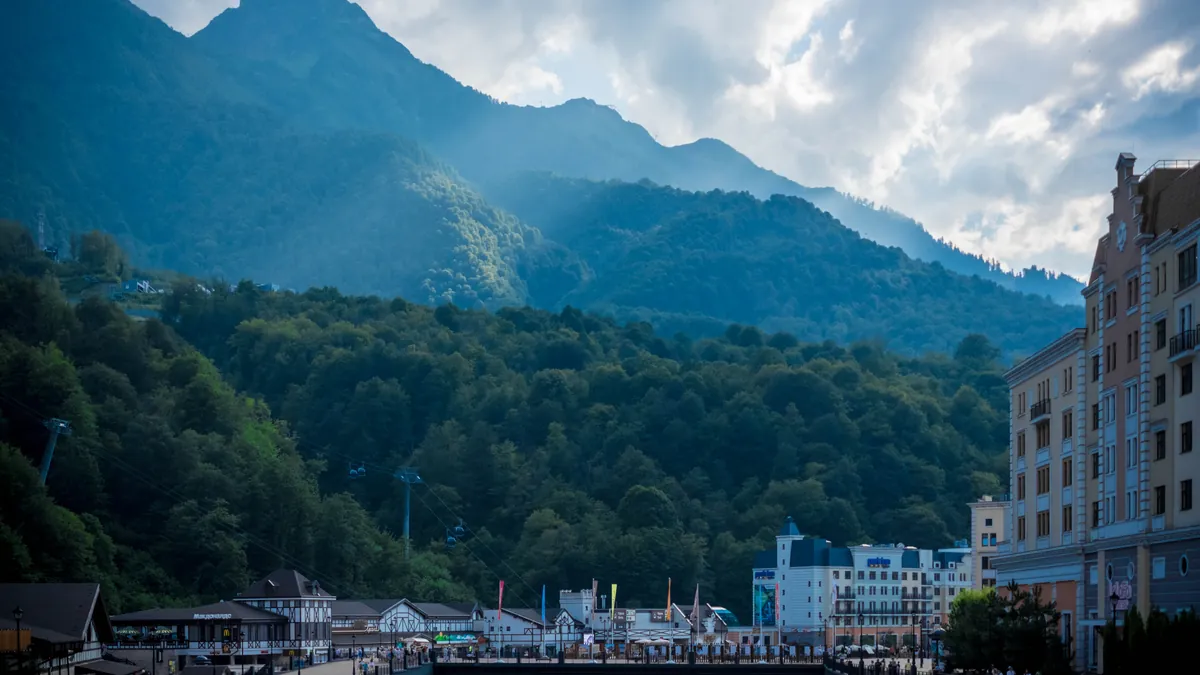
So you've settled on Rishikesh. The harder question is which month. Winter mornings here can sit at 6°C, pre-monsoon afternoons hit 36°C, and in between comes a rainy season that can drop more rain in July than London gets all year. The month you pick decides how your hamstrings feel at 6am, what goes in your bag, and how many people you're weaving past on the ghats on your way to class.
We live and teach in Tapovan, on the quieter northern edge of town, and a new training batch starts with us on the 1st of every month. So we've taught through every season here, sweaty Mays and soggy Julys included. Below is what the Rishikesh weather is really like month by month, what you give up in each season, and which months we'd pick depending on what you want from your trip.

The short answer
Come in October–November or February–March. Days are warm, mornings are cool and it barely rains. November is the driest month of the year.
The toughest stretch is May–June, when afternoons reach 36°C, and July, which is the wettest month and also brings Kanwar Yatra traffic.
Rishikesh weather at a glance
Rishikesh is about 350–380 metres up in the Himalayan foothills, right where the Ganga comes out of the mountains. The climate is humid subtropical: dry winters, a hot spring, a heavy monsoon and a clear autumn. The numbers below are rough long-term averages. Any given year can run hotter or wetter.
| Month | Day high | Night low | Rain | Our verdict for yoga |
|---|---|---|---|---|
| January | 19°C | 6°C | Low | Good if cold mornings don't bother you |
| February | 22°C | 8°C | Low | Very good |
| March | 27°C | 12°C | Low | Excellent (festival month) |
| April | 33°C | 16°C | Low | Good early on, warm by the end |
| May | 36°C | 21°C | Low | Hot. Only if you cope well with heat |
| June | 36°C | 24°C | Rising | Hot and humid until the monsoon arrives late in the month |
| July | 33°C | 24°C | Heaviest | Wettest month, and the quietest |
| August | 32°C | 24°C | Very heavy | Monsoon; green and calm |
| September | 31°C | 21°C | Moderate, easing | Good in the second half |
| October | 30°C | 16°C | Very low | Excellent |
| November | 25°C | 11°C | Almost none | Excellent, and the driest month |
| December | 21°C | 7°C | Low | Good, with cold mornings |
Winter in Rishikesh (December to February)
- Days 19–22°C
- Mornings 6–8°C
- Rain: low
- Crowds: moderate
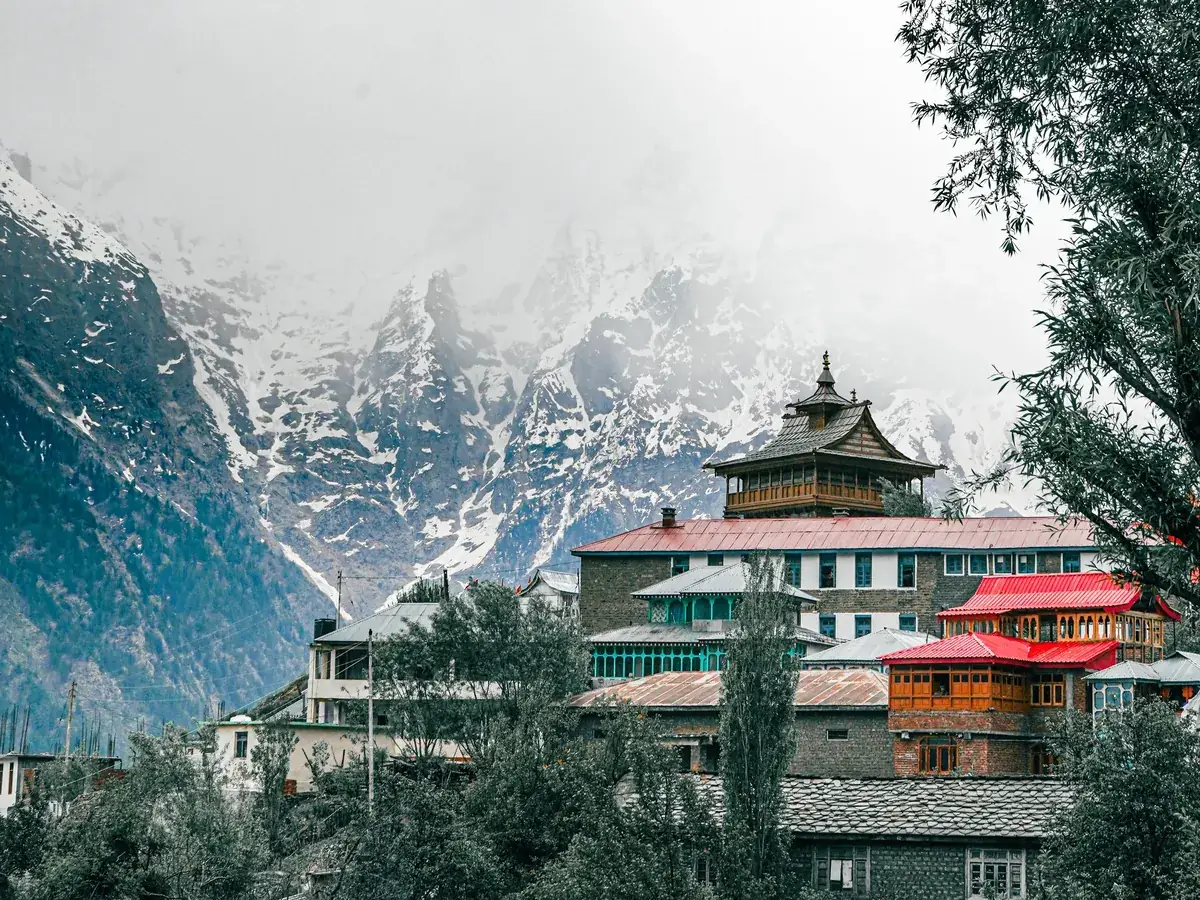
Winter days are bright and mild. By lunchtime it's often 19–22°C and you can see a long way up the valley. Mornings are another story. Before sunrise it can be 6–8°C, and most buildings in Rishikesh have no central heating, so the first asana class of the day starts cold and your body takes a while to open up.
What winter feels like on the mat
- Warm-ups take longer. Hips and hamstrings stay stiff for the first half of class.
- Afternoon classes are lovely: soft sun, no sweating, easy focus.
- For early meditation and pranayama you'll want layers and a shawl.
- Crowds are moderate, though late December brings holidaymakers from around India.
Who should come in winter
Winter suits you if you run hot, you're used to cold weather at home, or you want long, quiet study days. If cold mornings wear you down, pick February over January.
Spring (February to April): the sweet spot
- Days 22–33°C
- Mornings 8–16°C
- Rain: rare
- Crowds: high in March
Most of our returning students ask to come back in spring, and it's easy to see why. Daytime temperatures climb from the low 20s into the high 20s, mornings feel fresh rather than cold, and it hardly rains. Your body warms up quickly, so deeper asana work feels safer and easier to get into.

March and the International Yoga Festival
The International Yoga Festival takes over Rishikesh every March, and Holi usually lands in the same month. The town is buzzing. It's also packed, and room prices go up. On a residential course your room and meals are already sorted, so the festival is a bonus instead of a headache. Just book March batches early.
Late April
By the end of April, afternoons regularly go past 33°C. Classes move earlier, and the midday break turns into rest time rather than sightseeing time.
Summer (May and June): only if you handle heat
- Days up to 36°C
- Nights 21–24°C
- Rain: low, rising late June
- Crowds: busy weekends
May and June are the hottest months. Afternoons reach about 36°C and the nights stay warm. The sun is fierce, and the humidity keeps building through June until the monsoon finally breaks, usually in the last week of the month.
There are good reasons to come anyway. There are fewer international students, the town is quieter outside the Indian school-holiday weekends, and the river is at its most inviting.
The hard part is the heat itself. You'll sweat through every class, sleep can be patchy, and you have to keep on top of how much water you're drinking.
Good to know: Indian families come to Rishikesh in big numbers during the May–June school holidays, so weekends around Laxman Jhula and Ram Jhula get crowded. Tapovan stays calmer.
Monsoon in Rishikesh (July to mid-September)
- Days 31–33°C
- Nights 21–24°C
- Rain: heaviest in July
- Crowds: quietest
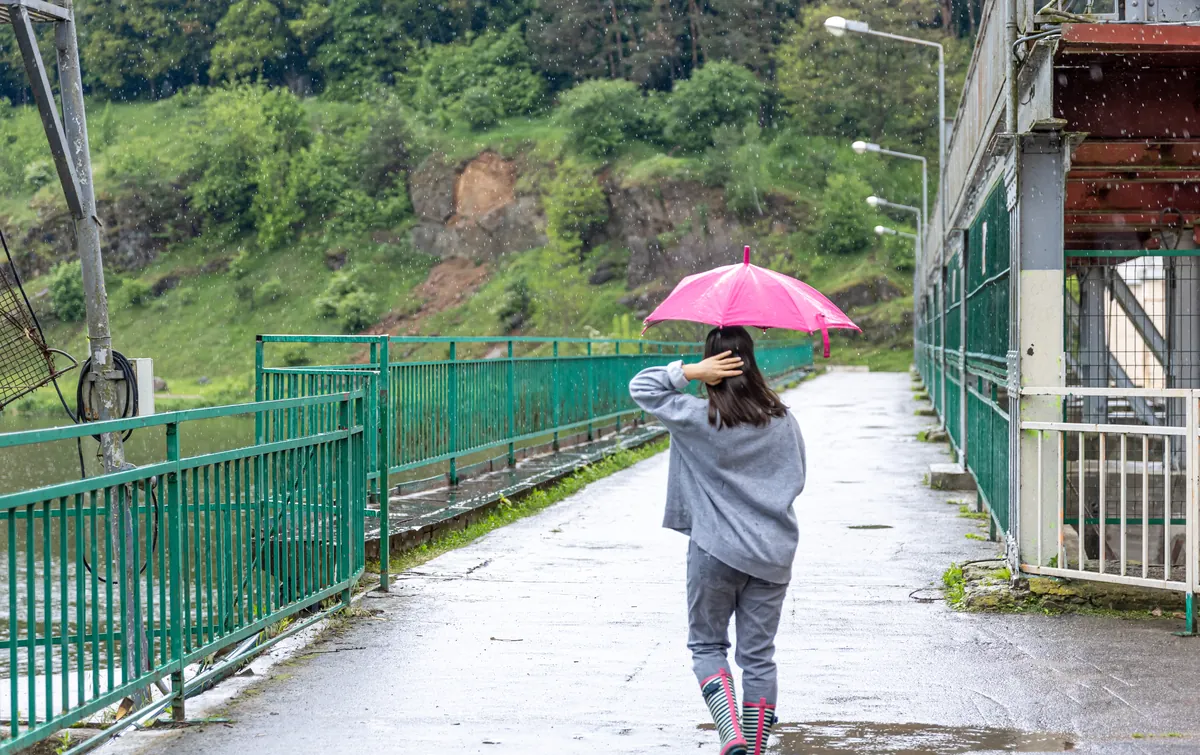
Most travel blogs tell you to skip the monsoon. We think that's too simple. July is the wettest month, often with more than 400mm of rain over roughly two weeks' worth of rainy days. Landslides can close mountain roads, rafting usually stops for the season, and the Ganga runs fast and brown. Don't swim in it.
On a residential course, though, the monsoon feels different:
- Rain usually comes in bursts, often in the afternoon or overnight. It rarely pours all day.
- The hills go deep green, and the air cools off after each downpour.
- Hardly any international visitors are in town, so classes are small and personal.
- You're studying and practising most of the day anyway, so the rain costs you very little.
A warning about the Kanwar Yatra
Every July, in the Hindu month of Shravan, millions of pilgrims walk to Haridwar and Rishikesh to collect Ganga water. For about two weeks, traffic between Dehradun airport, Haridwar and Rishikesh can be very heavy, and some roads close to vehicles altogether. If your course starts in July, arrive a day early and ask the school when to book your transfer.
Who should come in monsoon
Students who want quiet, small groups and a more inward practice. It stays humid, so bring quick-dry clothes and expect your laundry to take a while to dry.
Autumn (mid-September to November): clear skies and crisp air
- Days 25–30°C
- Evenings 11–16°C
- Rain: almost none
- Crowds: moderate
Once the monsoon clears, usually by mid-September, Rishikesh has its best-looking stretch of the year. October and November bring warm days of 25–30°C, cool evenings and almost no rain, and November is the driest month of all. The rains leave the air clean, so the foothills look sharp against a blue sky.
Diwali also falls in autumn (October or November), and the ghats glow with oil lamps. For a first-time student, autumn is tied with spring as our favourite season.
So when is the best time to visit Rishikesh for yoga?
It depends on what matters most to you:
| If you want… | Choose |
|---|---|
| The most comfortable weather | October–November or February–March |
| A quiet town and small groups | July–August (monsoon) |
| Festivals | March (Yoga Festival and Holi) or Diwali in autumn |
| Cheaper flights from Europe | Often May–June or the monsoon months (check your route) |
| Practice in cool weather | December–January |
A new batch of our 200 hour yoga teacher training starts on the 1st of every month, so you can pick your season first and fit the course around it. The upcoming training dates and fees for every course level are on one page. Only have a week or two? Our 14 day yoga retreat fits nicely into October–November or February–March.
What to pack for each season
- Winter: thermals, a fleece or down jacket, wool socks, a warm shawl for meditation, lip balm.
- Spring and autumn: light, breathable yoga clothes, one warm layer for early mornings, sunscreen and a hat.
- Summer: loose cotton clothes, electrolyte sachets, a refillable water bottle, sunscreen.
- Monsoon: quick-dry clothes, a compact umbrella or rain jacket, sandals that can handle wet steps, insect repellent.
- All year: modest clothes that cover your shoulders and knees for temples and ashrams.
For cafés and where students eat outside class, have a look at our guide to the best food in Rishikesh. Planning a weekend trek? The season matters even more on the trail, so read our list of trekking places near Rishikesh before you book anything.
Frequently asked questions
What is the best month to visit Rishikesh for yoga?
October, November, February and March. Days are warm, mornings are cool and there's little rain. November is the driest month of the year.
Is it too cold in Rishikesh in December and January?
Days are mild, around 19–21°C, but early mornings drop to 6–8°C and most buildings aren't heated. Warm layers make it manageable, and plenty of students love the quiet, clear winter days.
Can I do a yoga course in Rishikesh during the monsoon?
Yes. Rain usually comes in bursts, the town is quiet and classes are smaller. Stay out of the river, give yourself extra travel time in July, and pack quick-dry clothes.
How hot does Rishikesh get in summer?
May and June are the hottest months, with afternoons around 36°C. Classes run early in the morning and late in the afternoon to avoid the midday heat.
When is the International Yoga Festival in Rishikesh?
Every March. The town gets lively and busy and room prices go up, so book early if you want to come that month.
Is Rishikesh crowded on weekends?
Laxman Jhula and Ram Jhula fill up with domestic visitors on weekends and holidays, especially in May–June and late December. Tapovan, where our ashram is, stays a lot calmer.
Plan your dates
Know which season you want? Browse our yoga teacher training in Rishikesh options, from 100 to 500 hours. Or message our team with the dates you have in mind, and we'll tell you what the weather is usually like then.