Tree Pose (Vrksasana) in Yoga
Vrksasana, also known as Tree Pose, is a basic yoga posture that focuses on balance, stability, and grounding. The Sanskrit terms
Understanding Vrksasana
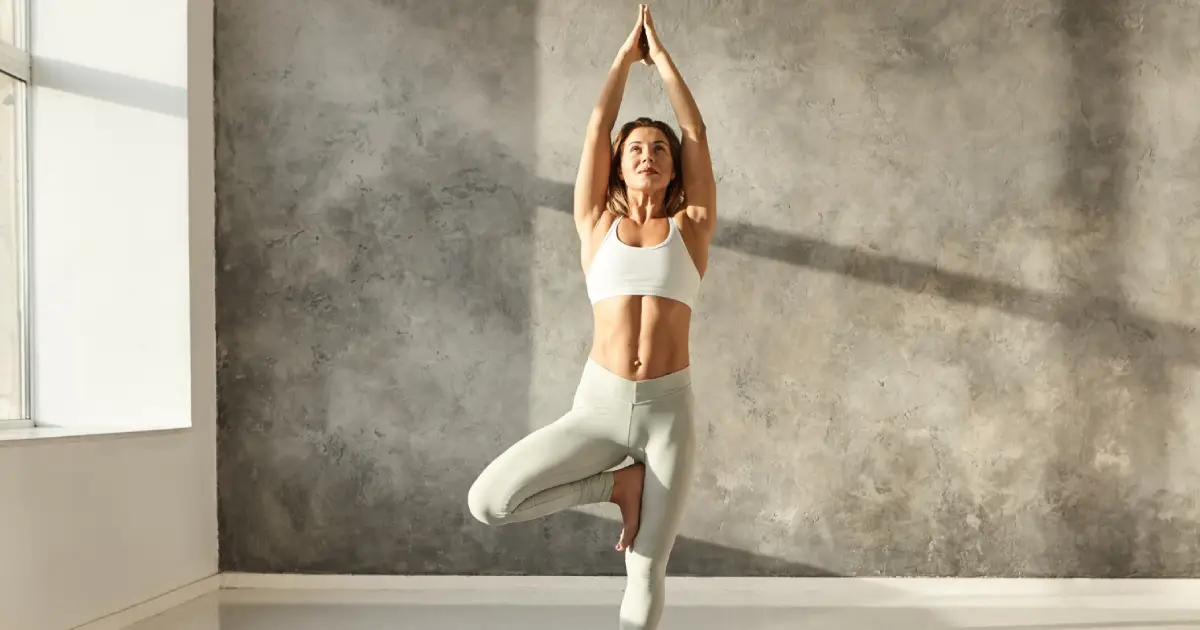
Vrksasana, also known as Tree Pose, is a basic yoga posture. It focuses on balance, stability, and grounding. This asana comes from two Sanskrit terms. "Vrksa" means tree, and "asana" means pose. As the name implies, the pose imitates a tree's steady, rooted form. It encourages balance in both body and mind and creates a sense of connection with the earth.
In Vrksasana, you stand on one leg. Press the sole of the other foot against the inner thigh or calf of the standing leg, with toes pointing down. Usually, the hands are stretched overhead or joined at the chest in prayer position. Hold a steady gaze, or drishti, at a fixed point. This improves concentration and balance during the pose.
Sanskrit Name and Meaning
Vrksasana is pronounced vrik-SHAH-sah-nah. It has its roots in Sanskrit, where "vrksa" means "tree." The name Vrksasana reflects the essence of this yoga pose. It stands for the steadiness, groundedness, and upward reach of a tree.
Types and Targeted Areas
Yoga's standing postures include the balancing pose known as Vrksasana. It focuses mostly on the following areas:
- Legs: Builds strength in the thighs, calves, and ankle muscles that make up the standing leg.
- Hips: Uses the hip muscles to enhance balance and stability.
- Core: Uses the muscles in the core to maintain an erect and balanced posture.
- Mind: The focus needed to keep balance improves mindfulness and concentration.
Want to explore more yoga postures and related practices? Check out the Complete Guide to Chakrasana.
Physical and Mental Benefits of Tree Pose (Vrksasana)
Vrksasana Physical Benefits
- 01. Strengthens Legs, Glutes, and Core: Vrksasana is an effective way to build strength in your legs, glutes, and core. You stand on one leg and lift the other. This works the muscles in the thighs, calves, ankles, glutes, and core. This improves balance and leg strength overall, in addition to fostering stability.
- 01. Enhances Posture: Vrksasana strengthens the core muscles and encourages balanced weight on the standing leg. This helps to improve general posture. This can help offset the negative effects of a sedentary lifestyle. It can be especially helpful for people who spend a lot of time at desks.
- 03. Increases Flexibility: The hamstrings, inner thighs, and hips are all stretched in Vrksasana. This may help improve the lower body's range of motion and flexibility.
- 04. Lessens Pain: Lower back and hip pain may be lessened with Vrksasana. This results from the pose's strengthening effects on the muscles supporting the pelvis and spine.
Vrksasana Mental Benefits
- 01 .Boosts Concentration and Focus: Vrksasana calls for mindfulness and concentrated attention. In daily life, this can help to increase focus and concentration.
- 02. Reduces tension and anxiety: The mind and body are calmed by the practice of Vrksasana. Anxiety and stress levels may drop as a result.
- 03. Boosts Confidence: Vrksasana has the potential to increase self-esteem and confidence. This is because they make it difficult for people. They must venture outside their comfort zones and find stability and balance.
- 04. Improves Self-Awareness: Vrksasana teaches individuals to be more aware of their bodies and minds. This can help to improve self-awareness. It makes it easier to identify and address physical and mental challenges. Read more about how yoga can help us grow spiritually here.
Beginner's Guide to Tree Pose (Vrksasana)
Step 1: Initial Position Start out in the mountain pose, Tadasana. Stand tall, place your feet hip-width apart, and keep your arms by your sides.
Step 2: Adjusting Weight Place your left foot firmly on the ground as you shift your weight onto it.
Step 3: Lifting the Right Leg Slowly raise your right foot off the ground. Place its sole against your inner left thigh or calf. Steer clear of the knee joint.
Step 4: Locate a Focal Point, or Drishti Pick a point in front of you to focus on. This helps with balance and concentration.
Step 5: Lift your hands in a prayer For an added challenge, place your palms together in prayer position. Hold them at your chest or out in front of you.
Tips for Maintaining Balance and Alignment
- Keep your hips level. Avoid tilting your hips to the side.
- Keep your gaze steady. Focus on a fixed point in front of you to help maintain balance.
- Draw your naval towards your spine. Engage your core muscles to stabilize your body.
- Press the ball of your standing foot into the mat. This will help to ground you and prevent wobbling.
Padangusthasana (Toe Pose) as a Preparatory Pose
Toe Pose, or Padangusthasana, is an excellent pose to practice before Vrksasana. It stretches the hamstrings, inner thighs, and outer hips. This can help improve the range of motion needed for Vrksasana. Read our guide to Padangusthasana (Toe Pose).
The Role of Balance in Business and Vrksasana
Parallels in Finding Balance:
Consider yoga's Tree Pose to be similar to developing a solid business. Vrksasana requires a strong foundation. Likewise, businesses flourish when they have a strong and durable structure. Finding balance in business is like finding balance on a mat. It requires balancing priorities and skillfully handling challenges.
Translating Balance to Decision-Making:
The mindfulness needed in making business decisions is similar to the focused concentration needed in Vrksasana. People who practice physical balance also develop mental clarity. This important skill helps them make well-informed decisions at work.
Stability in Professional Life:
Tree Pose trains practitioners to soar to new heights while maintaining their grounding. In the same way, a solid foundation makes growth and innovation possible in business. Learning balance on the mat helps people develop a stable mindset. It encourages resilience and adaptability, which can help in their professional endeavors.
Variations and Advanced Techniques
Modifications
- Use a wall or a chair as support: If you have trouble balancing, you can use a wall or a chair. Place your hand on the wall or chair for stability.
- Keep your foot lower on your thigh: You can do this if your inner thighs or hamstrings are particularly tight.
- Employ a yoga block: A yoga block can also be used to provide support for your foot. Place the block beneath the sole of your foot. Then lift your heel toward your glutes.
Advanced Techniques
- Add a twist: Bring your opposing shoulder up to your knee to give the pose a twist. Your outer hips, inner thighs, and hamstrings will all benefit from this stretch.
- Include a backbend: To add a backbend, gently bend your head back and arch your back. This will assist in extending your spine, shoulders, and chest.
- Practice the pose for a longer amount of time: As you get used to the pose, you may try holding it for longer.
Integrating Tree Pose into Your Routine
Make Tree Pose (Vrksasana) a regular yoga practice. Begin your practice in Tadasana and then move into Tree Pose. Focus on your breathing and find your balance. Hold the pose for as long as you feel comfortable. Repeat on the other side. This simple addition promotes physical and mental stability.
Counter Poses for Balance
Never forget that balance involves more than one pose. Use counter-poses to keep your balance, such as forward folds or mild twists. Discover the balancing benefits of Eagle Pose, or Garudasana. It is an ideal pose to practice after Tree Pose. It's a beautiful dance of strength and flexibility.
Conclusion
Vrksasana is a gift to your body and mind. Include it in your routine for more benefits than just flexibility. The advantages extend beyond the mat. They provide stability and clarity that are essential for business professionals. Stand tall in Tree Pose and imagine yourself rooted in strength, reaching for new heights.
Watch: Tree Pose by the Ganges
Students hold tree pose (vrksasana) together by the river. A short clip from our school to go with “Finding Balance and Strength: The Transformative Power of Vrksasana (Tree Pose) in Yoga”.
